Rankings · October 17, 2025 · 7 min read
Best hotels in Copenhagen: where to stay by area
The best hotels in Copenhagen and where to stay: Indre By, Vesterbro, Norrebro, Osterbro and Christianshavn, with prices and tips.
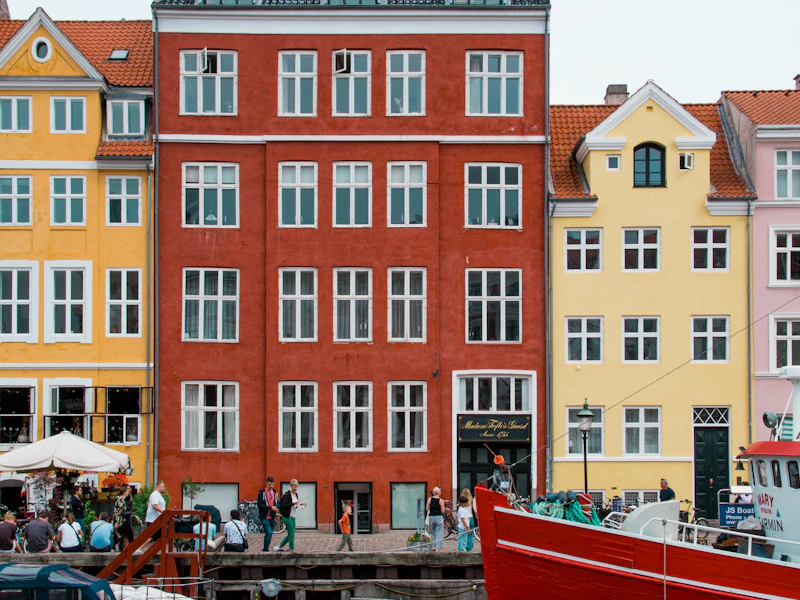
Copenhagen is a relaxed, bike-friendly capital of canals, design, cutting-edge cuisine and a harbour you swim in during summer, and the area where you sleep changes the rhythm of the trip: the historic centre around Nyhavn, cool Vesterbro, multicultural Norrebro, elegant Osterbro, scenic Christianshavn. The metro and bikes cover everything and distances are short, so location matters mostly for the character of the neighbourhood. Here are the best areas to stay, the prices to reckon with and, at the end, a selection of real hotels with live rates.
Where to stay in Copenhagen, area by area
Indre By, the historic centre
The heart around the Nyhavn harbour and the pedestrian Stroget. It is the right call for a first-timer who wants everything on foot, with the best atmosphere and the highest prices.
- The colourful Nyhavn harbour
- The Round Tower and Rosenborg Castle
- The royal palace of Amalienborg
- The Tivoli Gardens
For centrality and canals, look for hotels in Indre By.
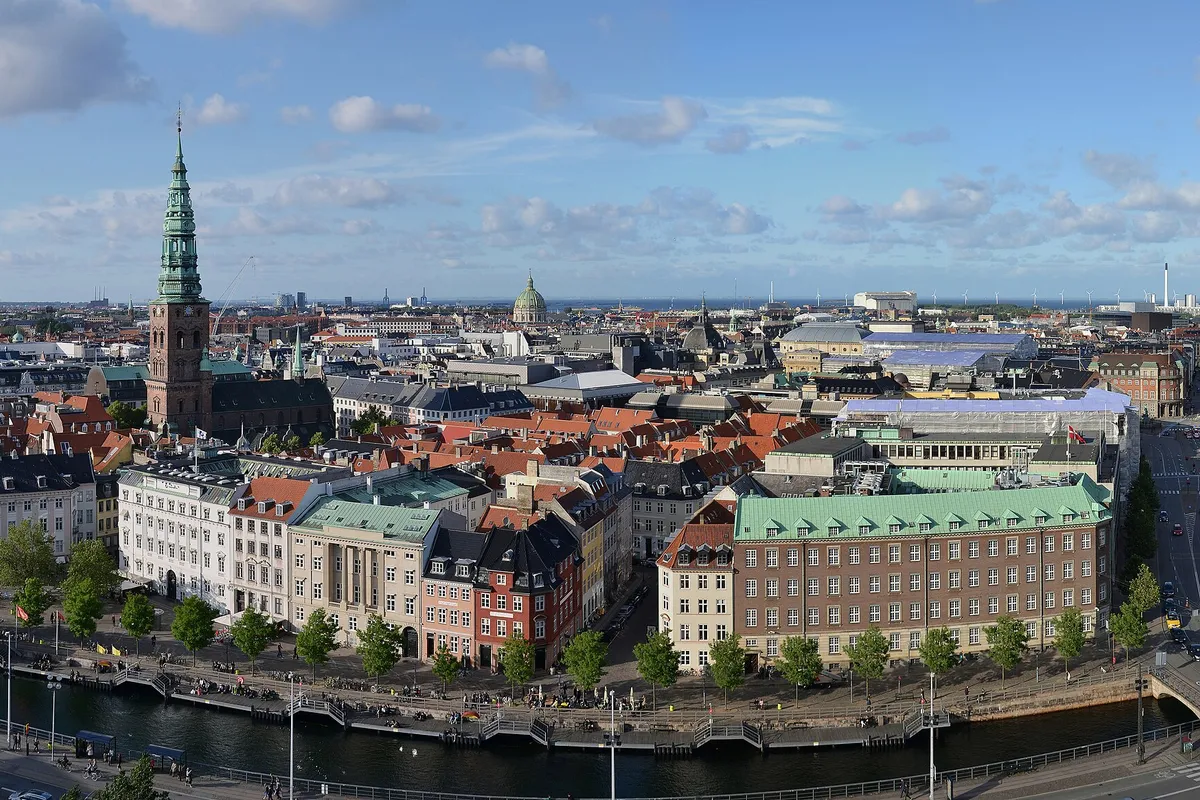
Vesterbro and Kodbyen
Once working-class and now the coolest district, with the former Meatpacking District turned into a hub of restaurants and bars. It is the choice for anyone who loves food, nightlife and a fashionable style, near the station.
- The Meatpacking District (Kodbyen)
- The lively Istedgade
- Bars, restaurants and design cafes
- Steps from the central station
For food and nightlife, see hotels in Vesterbro.
Norrebro
The multicultural, young district, among cafes, vintage shops and street art. It is the choice for anyone after a local, lively side, better prices and a creative atmosphere, a few minutes from the centre.
- The Superkilen park, the district's symbol
- The cafe-and-shop street Jaegersborggade
- Bars, bistros and vintage shops
- A creative, multicultural atmosphere
For local life and value, look for hotels in Norrebro.
Osterbro
Elegant and tree-lined, it is the calmest residential district, near the waterfront and the parks. It is the choice for families and anyone after calm, greenery and a refined base.
- The Little Mermaid and the Kastellet fortress
- Elegant, quiet residential streets
- Parks, cafes and neighbourhood shops
- Close to the waterfront
For calm and elegance, see hotels in Osterbro.
Christianshavn
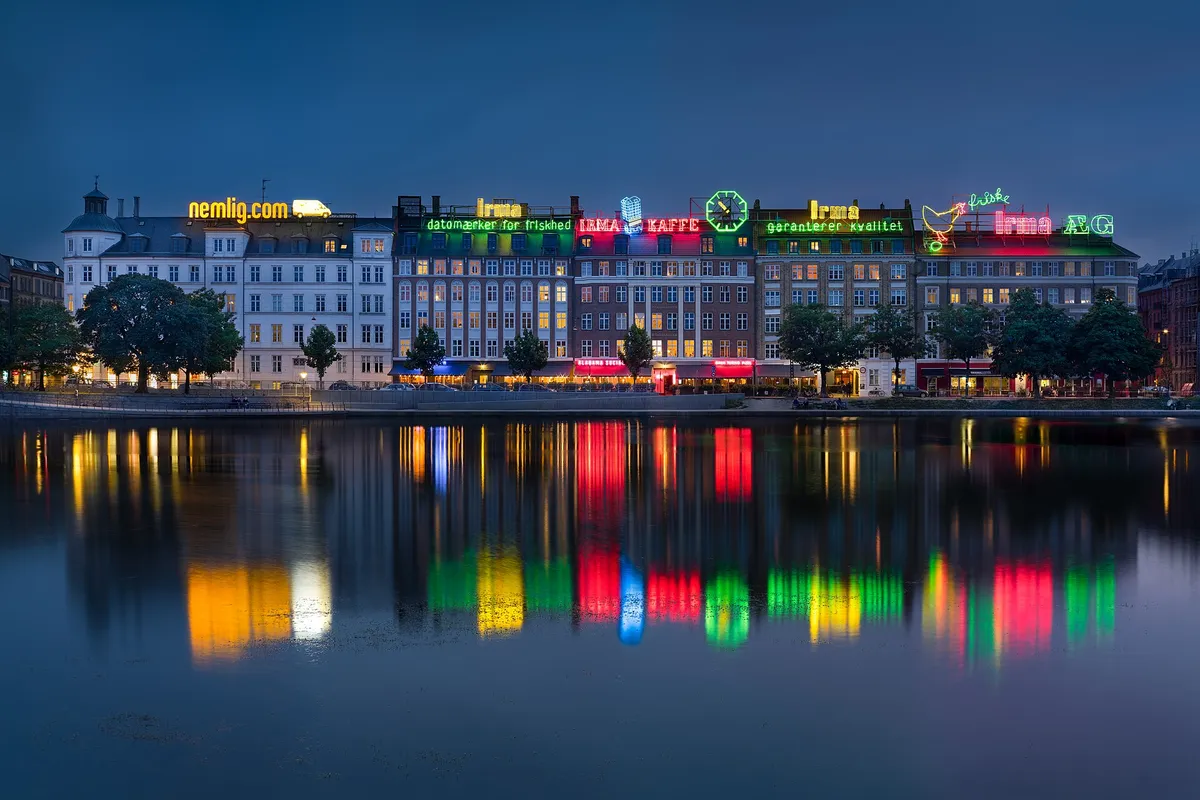
The island of canals and houseboats, with the Christiania community and street food. It is the choice for anyone after atmosphere, canals and a bohemian side, steps from the centre.
- The canals and the houseboats
- The freetown of Christiania
- The Church of Our Saviour with its spiral spire
- The Reffen street food nearby
For canals and atmosphere, look for hotels in Christianshavn.
What it costs
Indicative figures: Denmark uses the Danish krone (DKK, around 7.46 to a euro) and Copenhagen is an expensive city.
- A double room in a mid-range 3-4 star: roughly 1,000-2,200 DKK a night (about 135-295 euros).
- A dinner for two: about 600-1,100 DKK (about 80-150 euros); a coffee 40-55 DKK.
- Transport: a metro or train ride costs about 24-36 DKK; a day city pass is worth it.
- Tourist tax: Denmark charges no tourist tax; Copenhagen has proposed a small levy of about 1 euro per person per night, still awaiting approval and not in force in 2026. Some hotels apply voluntary surcharges. The 25 percent VAT is already included in the price. Verify at booking.
For a real sense before you choose, compare current prices in Copenhagen.
Getting there and around
The airport is Copenhagen (CPH), about 8 km south, linked to the centre by the M2 metro in a quarter of an hour. In town the metro, trains and buses cover everything, but Copenhagen is above all a cycling capital: renting a bike is the best way to get around.
A car is unnecessary and distances are short. With a good location, almost everything is on foot, by bike or a few metro stops away.
When to go
- June-August: very long days, terraces and harbour swimming, the best window.
- April-May: a mild, pleasant spring, with fewer crowds.
- September-October: cool and cosy, autumn colours.
- November-December: cold and dark, but with the hygge mood and Christmas at Tivoli.
- January-February: freezing, quiet and cheaper.
Good to know
Which area is best on a first visit? Indre By for the monuments and canals, or Vesterbro for food and nightlife.
Do I need a car in Copenhagen? No, the city is walkable, with an excellent metro; and it is a cycling capital, so rent a bike.
Is there a tourist tax? Not yet: a levy of about 1 euro a night is only proposed; some hotels apply surcharges, and VAT is included.
What currency is used? The Danish krone (DKK), not the euro; cards and contactless work everywhere, and it is nearly cashless.
Is it an expensive city? Yes, one of Europe's priciest; but tap water, cycling and harbour baths are free.
How many days do I need? Three nights for the city and perhaps a trip to Malmo in Sweden across the bridge.
The best hotels in Copenhagen
Below is a selection of real hotels in Copenhagen among the highest rated by guests, with live rates to compare right now. Choose the area first, then compare prices and book at the right moment.
Edenfinder
Paradise has a price. We find it lower.
We compare prices for the same hotels across every major booking platform, with direct links to the right page.
Search your hotel →From the same section

Destinations