Rankings · December 26, 2025 · 7 min read
Best hotels in Venice: where to stay by area
The best hotels in Venice and where to stay: San Marco, Cannaregio, Dorsoduro, San Polo and Castello, with prices, taxes and tips.
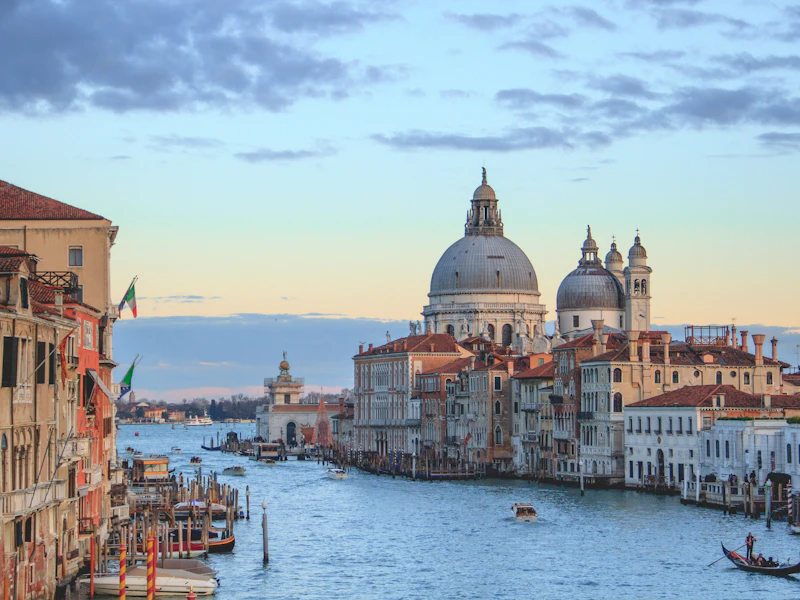
Venice is a car-free city built on water, and the area where you sleep completely changes the trip: the splendour of San Marco, the local Venice of Cannaregio, the artistic soul of Dorsoduro, the bacari of San Polo, the authentic calm of Castello. You get around on foot and by vaporetto, so location decides how close you are to the monuments or the silence of the campi. Here are the best areas to stay, the prices to reckon with and, at the end, a selection of real hotels with live rates.
Where to stay in Venice, area by area
San Marco
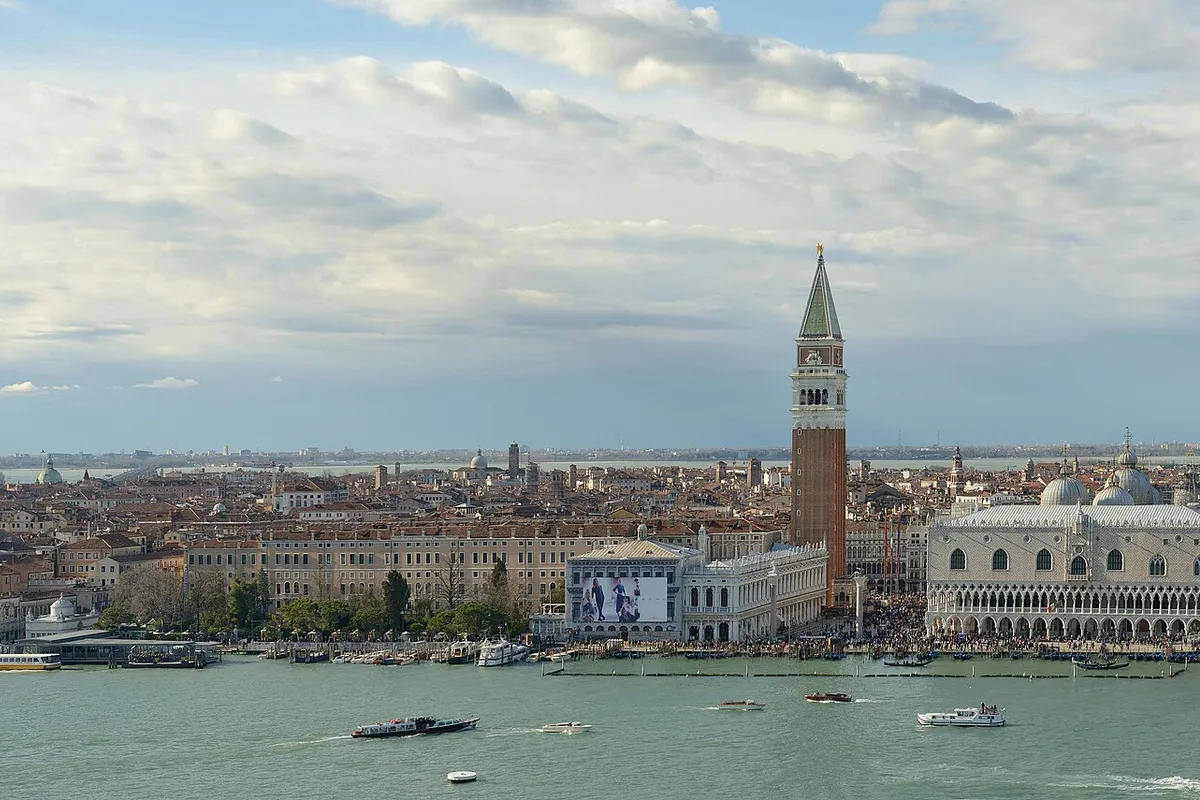
The heart around St Mark's Square, the Basilica and the Doge's Palace. It is the right call for a first-timer who wants the monuments steps away, with the most prestigious atmosphere and the highest prices.
- St Mark's Square and St Mark's Basilica
- The Doge's Palace and the Bridge of Sighs
- The Rialto Bridge nearby
- Boutiques, historic cafes and theatres
For monuments and prestige, look for hotels in San Marco.
Cannaregio
The most lived-in sestiere, between the Jewish Ghetto and the bacari along the Fondamenta della Misericordia, near the station. It is the choice for anyone after the real Venice, aperitivo with cicchetti and more affordable prices.
- The Jewish Ghetto, the first in the world
- The bacari of the Fondamenta della Misericordia
- Close to Santa Lucia station
- Quiet alleys and neighbourhood life
For authenticity and value, see hotels in Cannaregio.
Dorsoduro
The artistic, young soul, with the Accademia Galleries, the Peggy Guggenheim Collection and lively campi. It is the choice for anyone who loves art, walks along the Zattere and a relaxed but lively evening feel.
- The Accademia Galleries and the Peggy Guggenheim
- The Salute Basilica on the Grand Canal
- The Zattere waterfront promenade
- The lively Campo Santa Margherita
For art and atmosphere, look for hotels in Dorsoduro.
San Polo and Santa Croce
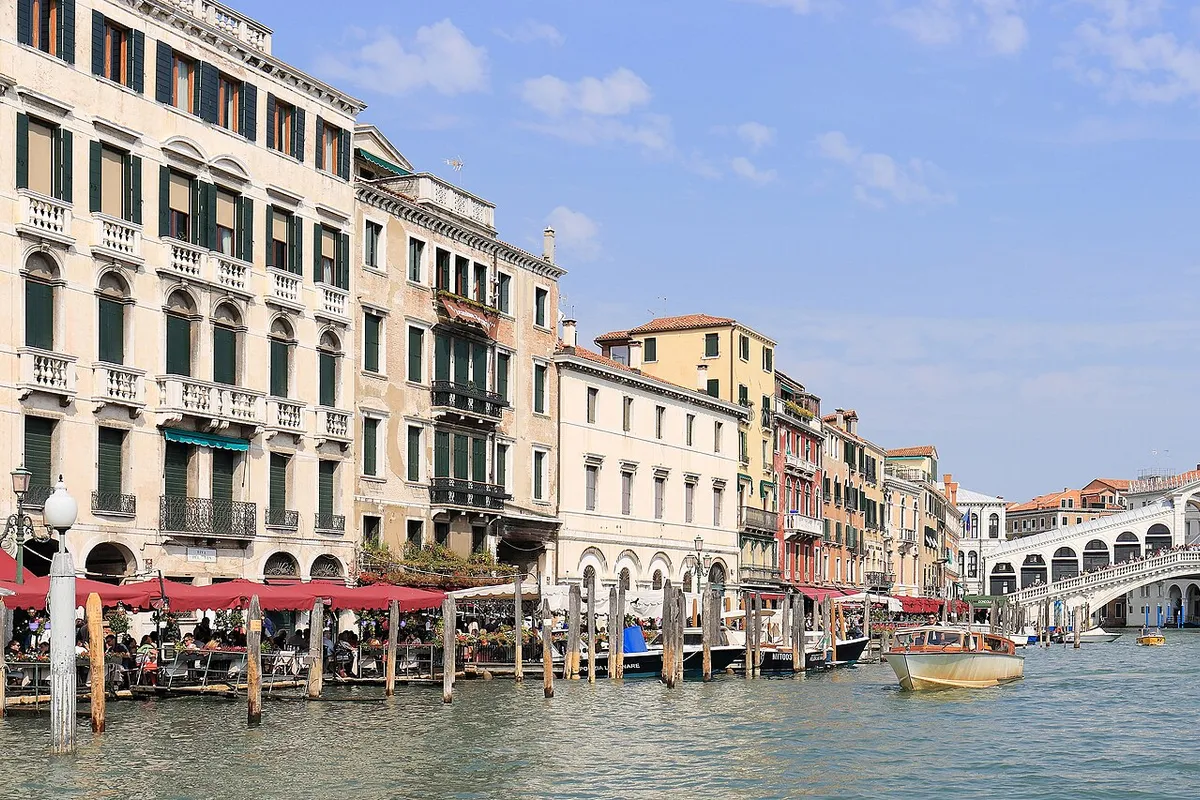
The gastronomic centre around the Rialto Market and its bacari, with the great Frari Basilica. It is the choice for anyone who loves eating, staying central and living the most authentic alleys, steps from Rialto.
- The Rialto Market with fish and vegetables
- The bacari for cicchetti and a glass of wine
- The Frari Basilica
- The quiet Campo San Polo
For food and centrality, see hotels in San Polo.
Castello
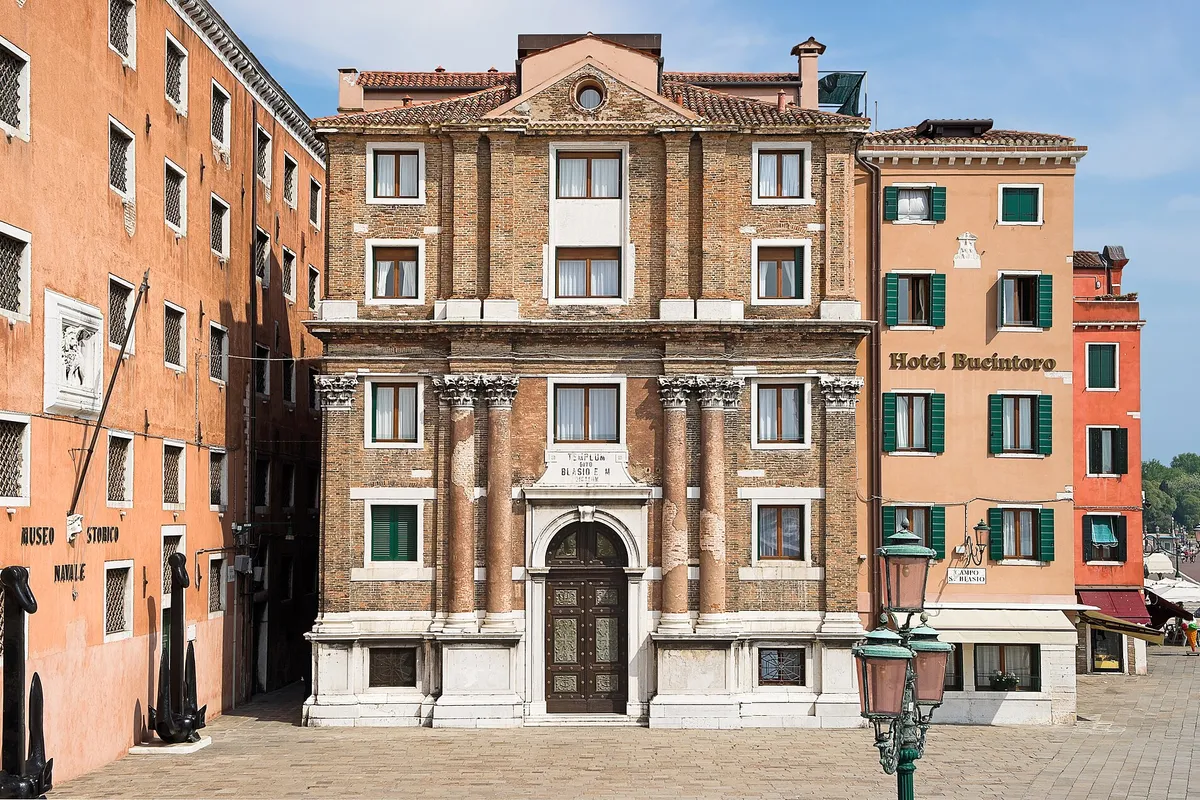
The largest, residential sestiere to the east, with the Arsenale and the Biennale Gardens. It is the choice for anyone after calm, an authentic atmosphere and better prices, while still close to San Marco.
- The Arsenale, the ancient shipyard of the Serenissima
- The Biennale Gardens
- Residential alleys and quiet campi
- A few minutes on foot from San Marco
For calm and authenticity, look for hotels in Castello.
What it costs
Indicative figures: Venice is expensive and prices vary hugely with the season.
- A double room in a mid-range 3-4 star: roughly 130-300 euros a night.
- A dinner for two with wine: about 60-90 euros; a spritz 3-4 euros, cicchetti 1.50-2.50 euros each, an espresso at the bar 1.20-1.50 euros (much more seated in St Mark's Square).
- Transport: a single vaporetto ride costs about 9.50 euros; a day pass is worth it (about 25 euros for 24 hours).
- Taxes: overnight guests pay the tourist tax, roughly 1 to 5 euros per person per night by season, area and category. The 5-euro access fee (10 if paid late) applies only to day visitors on certain peak days: anyone sleeping in accommodation in Venice is exempt. Verify at booking.
For a real sense before you choose, compare current prices in Venice.
Getting there and around
The airport is Marco Polo (VCE), on the mainland about 13 km away, linked by the Alilaguna water buses or by bus to Piazzale Roma; there is also Treviso (TSF) for low-cost flights. Trains arrive at Santa Lucia station in the centre.
There are no cars in Venice: leave them at Piazzale Roma or Tronchetto and move on foot or by vaporetto. Factor in bridges and carrying your luggage by hand.
When to go
- April-June: a splendid but crowded spring, with the access-fee days for day trippers.
- July-August: hot and full, with the Redentore festival in July.
- September-October: excellent weather, the Film Festival in early September; acqua alta season begins late October.
- November-February: cool and atmospheric, possible acqua alta, with Carnival in February; lower prices except at Carnival and New Year.
Good to know
Which area is best on a first visit? San Marco for the monuments, or Dorsoduro and Cannaregio for atmosphere and better prices.
Do I pay the day-tripper access fee? No if you sleep in accommodation in Venice: you are exempt and pay the per-night tourist tax instead.
Do I need a car in Venice? No, the city is car-free: you walk or take vaporetti.
How much is the tourist tax? Roughly 1 to 5 euros per person per night, by season, area and category.
What is acqua alta? The high tide, mainly in autumn and winter: check the forecasts, there are raised walkways.
How many days do I need? Two or three nights for the city and perhaps a trip to Murano and Burano.
The best hotels in Venice
Below is a selection of real hotels in Venice among the highest rated by guests, with live rates to compare right now. Choose the area first, then compare prices and book at the right moment.
Edenfinder
Paradise has a price. We find it lower.
We compare prices for the same hotels across every major booking platform, with direct links to the right page.
Search your hotel →From the same section

Destinations