Best hotels in Tokyo: where to stay by area
Japan · July 12, 2026
The best hotels in Tokyo and where to stay: Shinjuku, Shibuya, Ginza, Asakusa and Roppongi, with indicative prices and tips.
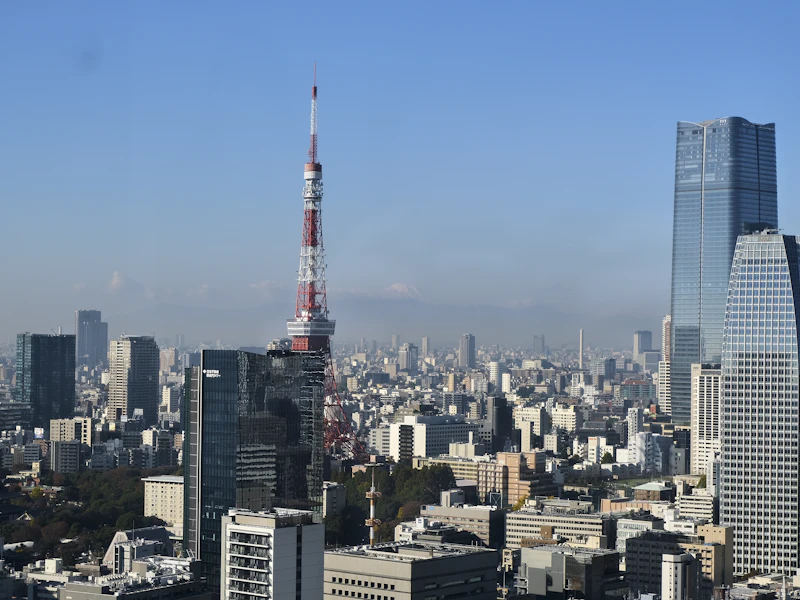
Tokyo is a galaxy of neighbourhoods, and the area where you sleep completely changes the rhythm of the trip: the neon energy of Shinjuku and Shibuya, the elegance of Ginza or the traditional Tokyo of Asakusa. The train and subway network is the best in the world, so even a base that is not dead central stays handy, but staying near a major station makes life simpler in such a vast city. Here are the best areas to stay, the prices to reckon with and, at the end, a selection of real hotels with live rates.
Where to stay in Tokyo, area by area
Shinjuku
Around the busiest station in the world, Shinjuku is a concentrate of skyscrapers, department stores and nightlife, with the lanes of Golden Gai and the Shinjuku Gyoen park. It is the right call for a first-timer who wants transport everywhere and evenings out.
- The lanes of Golden Gai and the tiny izakaya
- The Shinjuku Gyoen park
- The skyscrapers and the view from the Government Building
- Trains and metro for the whole city
For energy and transport, look for hotels in Shinjuku.
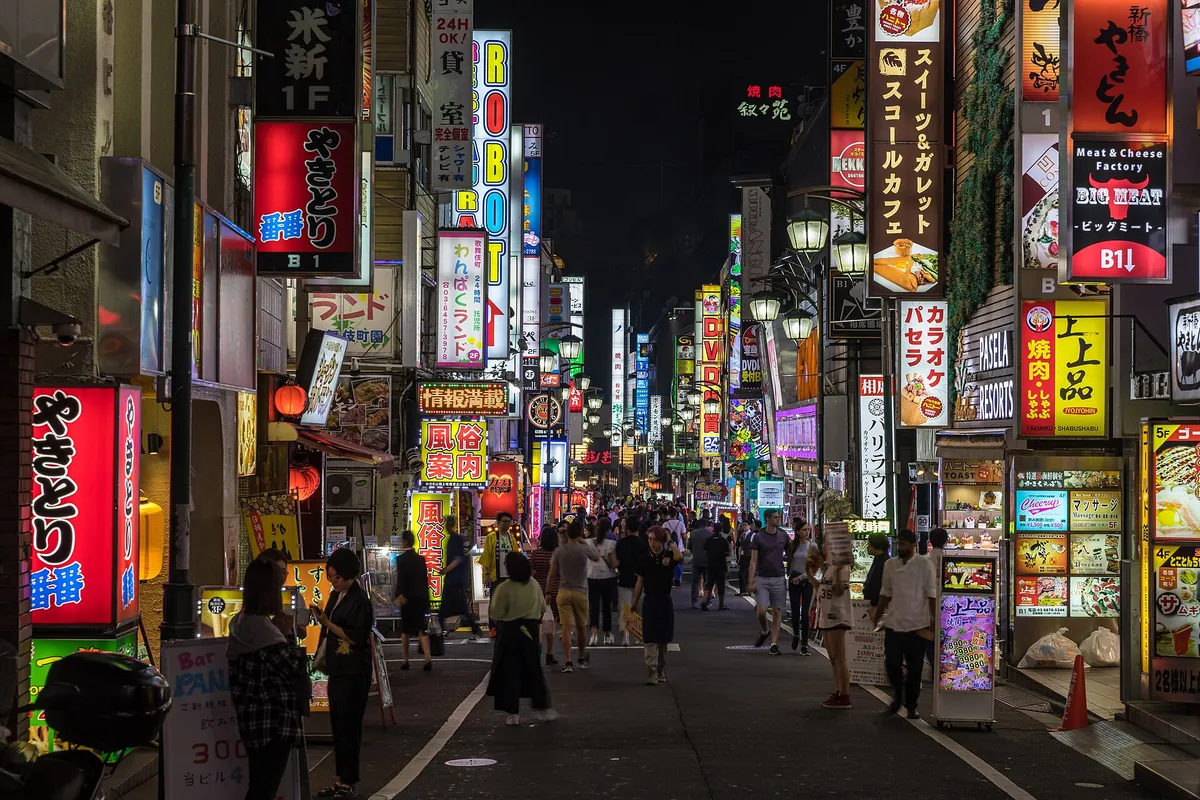
Shibuya and Harajuku
The young heart of the city, with the famous Shibuya Crossing, the fashion of Harajuku and the Meiji Shrine in the green. It is the choice for anyone who loves shopping, trends and nightlife, in a neighbourhood always on the move.
- The Shibuya Crossing, the most famous in the world
- The youth fashion of Takeshita Street in Harajuku
- The Meiji Shrine and its forest
- Bars, cafes and shopping everywhere
For a young vibe and shopping, see hotels in Shibuya.
Ginza and Tokyo Station
Elegant, central Tokyo: the luxury streets of Ginza, the Imperial Palace and the majestic Tokyo Station, from which the bullet trains depart. It is the choice for anyone who wants convenience, refinement and a quieter setting in the evening.
- The boutiques and department stores of Ginza
- The Imperial Palace and its gardens
- Tokyo Station and the shinkansen
- The Tsukiji market not far away
For luxury and convenience, look for hotels in Ginza.
Asakusa and Ueno
Traditional Tokyo, the shitamachi of low houses, with the Senso-ji temple, the Tokyo Skytree across the river and the museums of Ueno. It is the choice for anyone after atmosphere, culture and lower prices, with ryokan and small neighbourhood restaurants.
- The Senso-ji temple and the shopping street
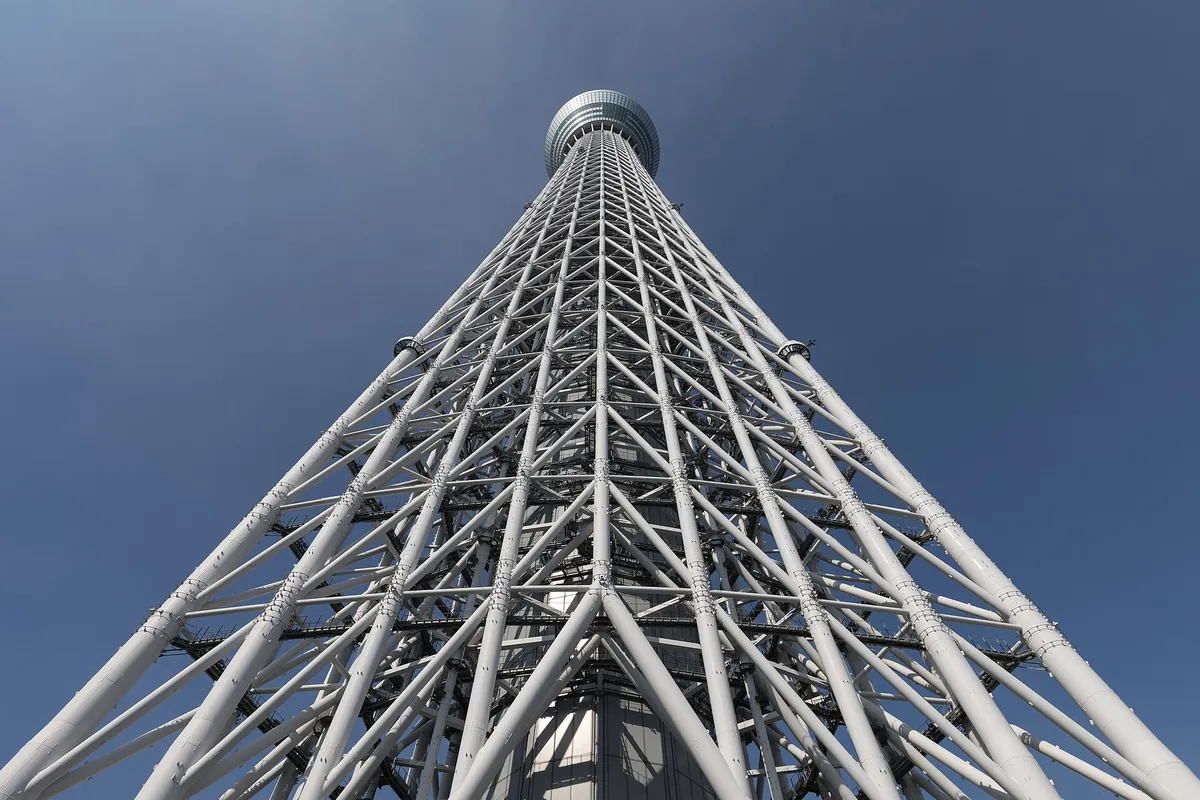
- The Tokyo Skytree and the city views
- Ueno Park and its museums
- Ryokan and traditional restaurants, lower prices
For tradition and budget, see hotels in Asakusa.
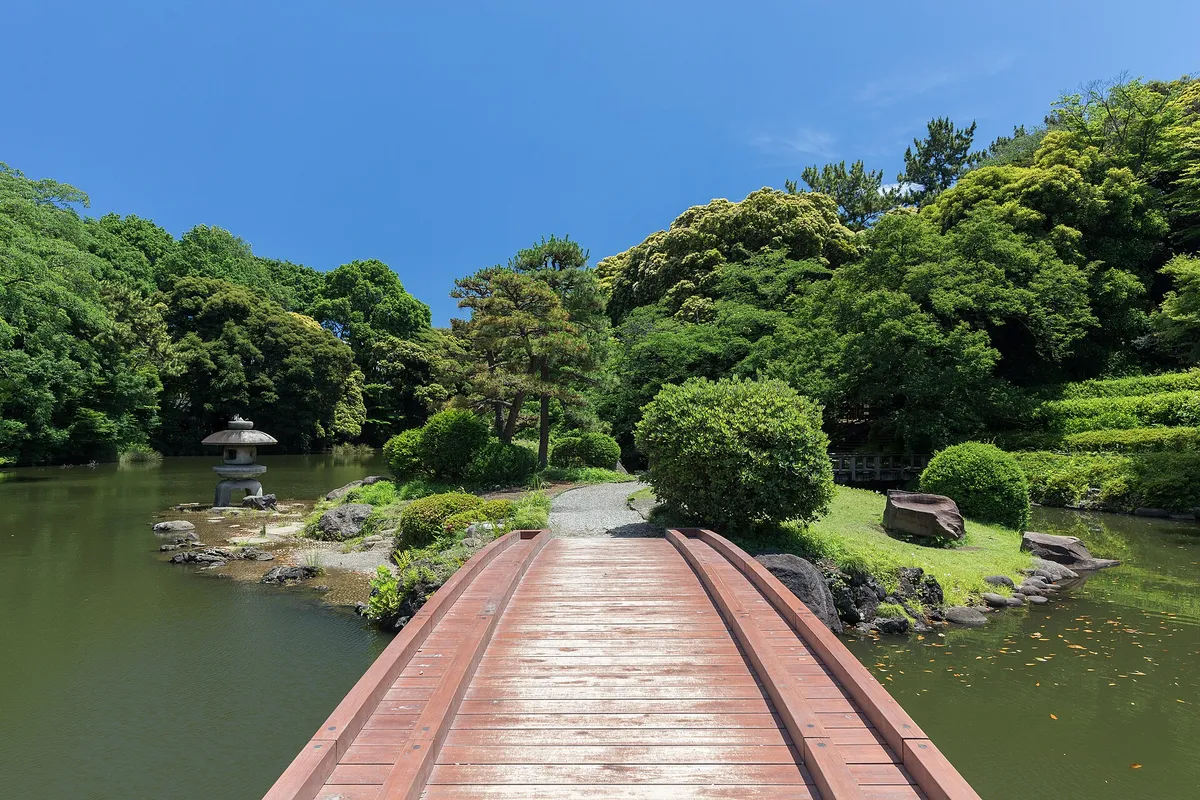
Roppongi
The international quarter of nightlife and art, with the Mori Art Museum and the views from above. It is the choice for anyone who loves going out at night, the art scene and a cosmopolitan setting, with high-end hotels and venues open late.
- The Mori Art Museum and the Tokyo City View
- The venues and international nightlife
- Restaurants and art galleries
- Handy metro for the centre
For nightlife and art, look for hotels in Roppongi.
What it costs
Indicative figures: Tokyo uses the yen (JPY) and surprises, because eating is cheap while hotels are in the mid-to-upper range.
- A double room in a mid-range 3-4 star: roughly 100-220 euros a night.
- A dinner for two: about 40-80 euros; a bowl of ramen costs very little, sushi depends on the place.
- Coffee: around 3-4 euros; the metro is cheap, with a Suica or Pasmo card making everything simple.
- Tourist tax: Tokyo applies a small accommodation tax, roughly 100 yen per person per night for rooms between 10,000 and 15,000 yen and 200 yen above, so about a euro. From 2027 it will move to a 3 percent rate, so it is worth checking.
For a real sense before you choose, compare current prices in Tokyo.
Getting there and around
Tokyo has two airports. Haneda (HND), about 15 km away, is the closest and handiest, linked to the centre by the monorail and the Keikyu line in about half an hour. Narita (NRT), about 60 km away, is linked by the Narita Express and the Skyliner in about an hour.
In town you do not need a car: the JR and metro network is dense, punctual and the best in the world. Get a Suica or Pasmo card and use trains and metro to go anywhere; individual neighbourhoods are easily walked.
When to go
- March-April: the cherry-blossom season, spectacular but crowded and pricey.
- May-June: mild weather, then the rainy season in June.
- July-August: hot and humid, but with the summer festivals and fireworks.
- September-November: maybe the best window, pleasant weather and autumn leaves.
- December-February: cold but often clear, fewer people and the winter illuminations.
Good to know
Which area is best on a first visit? Shinjuku or Shibuya for energy and transport, or Ginza and Tokyo Station for a central, quieter base.
Do I need a car in Tokyo? No, the train and metro network does everything and is very fast. Get a Suica or Pasmo card.
How much is the tourist tax? Little: about 100-200 yen per person per night depending on the room rate, so around a euro; from 2027 it becomes 3 percent.
How do I get from the airport? From Haneda the monorail or the Keikyu in half an hour; from Narita the Narita Express or the Skyliner in about an hour.
How many days do I need? At least four or five nights for the main neighbourhoods, a temple and a trip out.
The best hotels in Tokyo
Below is a selection of real hotels in Tokyo among the highest rated by guests, with live rates to compare right now. Choose the area first, then compare prices and book at the right moment.
The Tokyo ranking in numbers
- 24 hotels · 7 five-star, 14 four-star, 3 three-star or simpler.
- Average guest score 9.0/10 across 124,643 reviews; 12 of 24 score 9.0 or higher.
- Highest rated: PROSTYLE RYOKAN TOKYO ASAKUSA (9.6, 2,217 reviews), THE TOURIST HOTEL & Cafe AKIHABARA (9.4, 5,632 reviews), The Gate Hotel Kaminarimon by Hulic (9.2, 4,382 reviews).
Ordered by real guest score with a confidence prior, never by price or sponsorship. Every card opens the live rate comparison.
Top-rated hotels in Tokyo
- 1
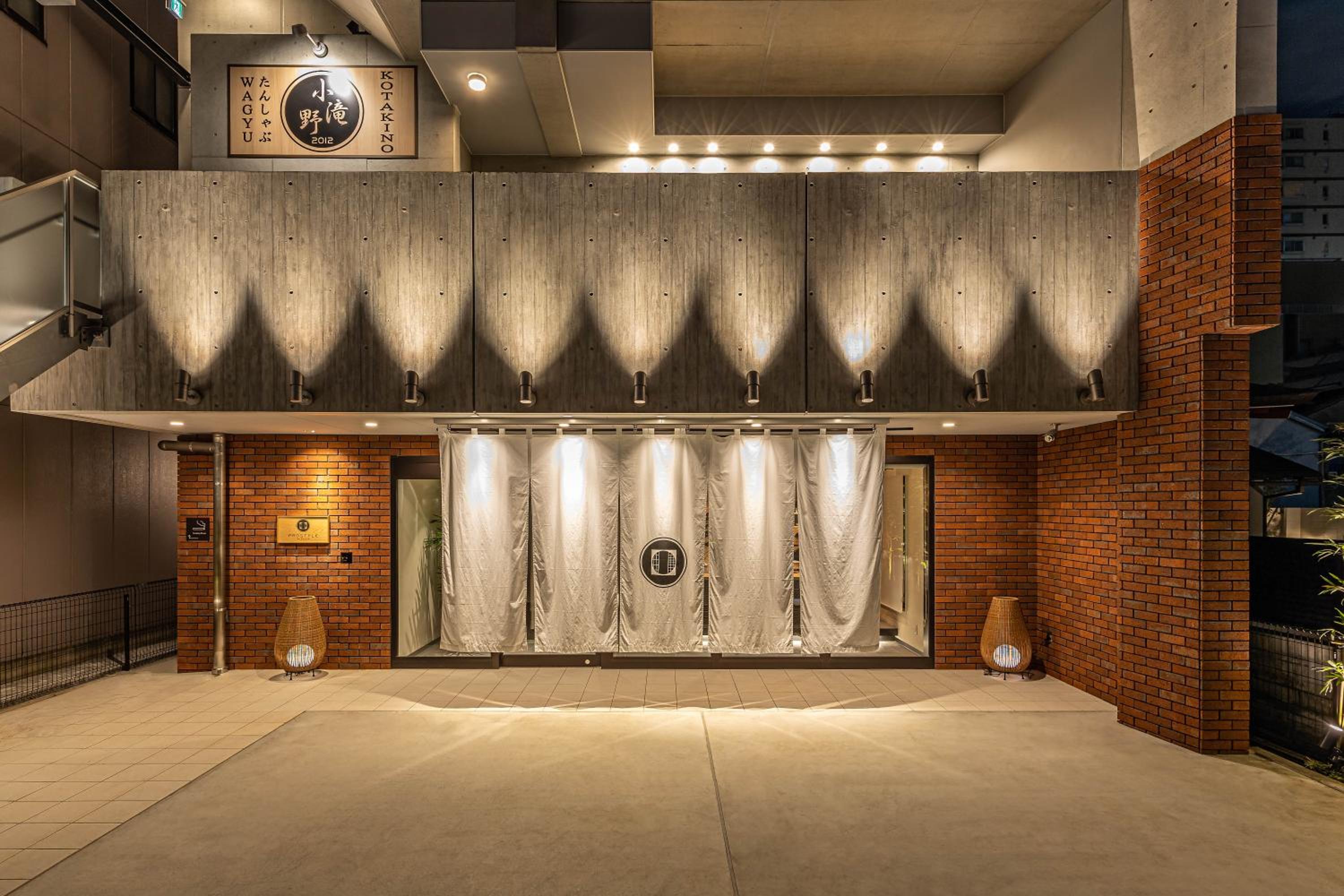 PROSTYLE RYOKAN TOKYO ASAKUSATokyo, JP★★★★9.6
 - 2
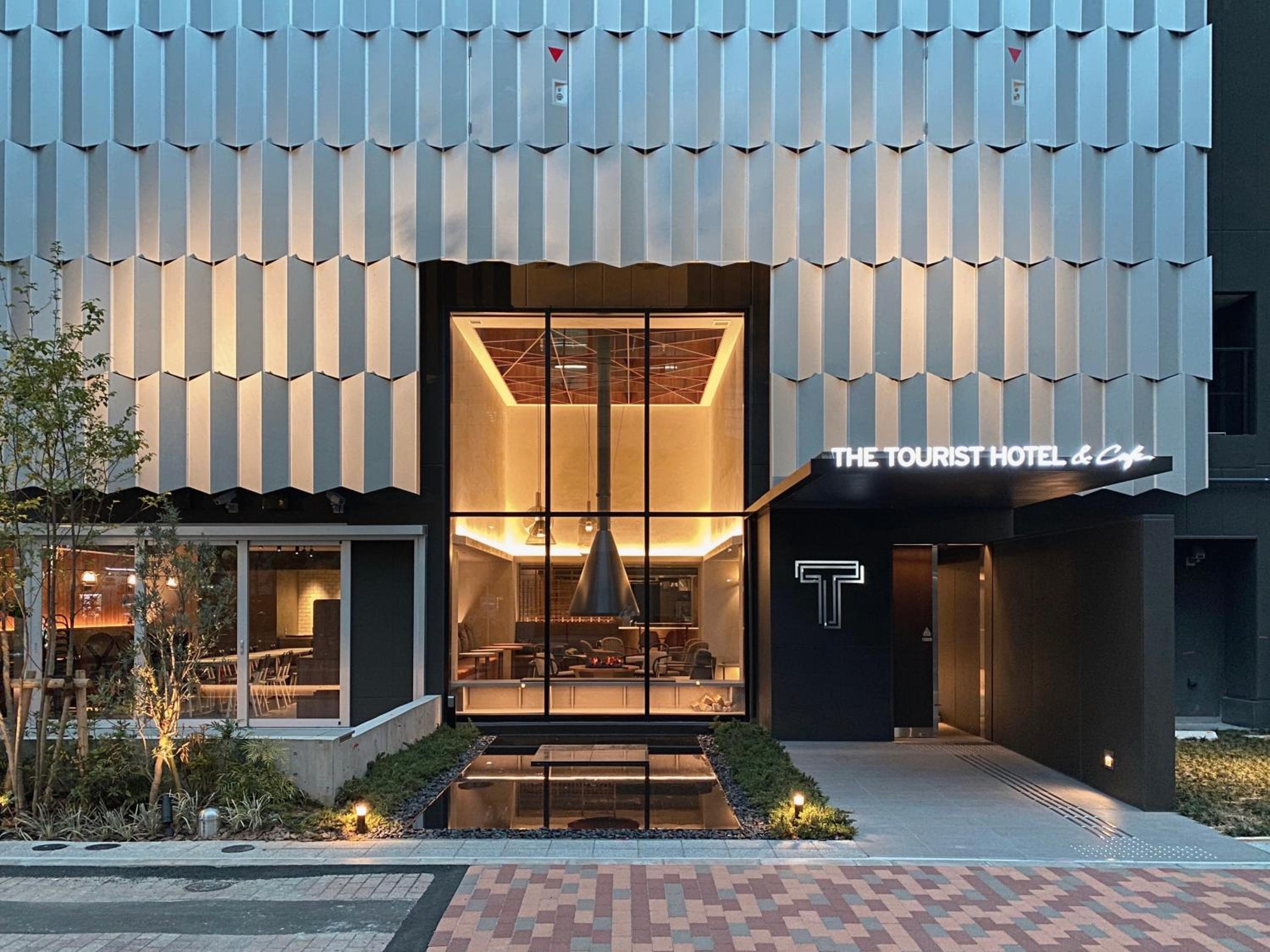 THE TOURIST HOTEL & Cafe AKIHABARATokyo, JP★★★9.4
 - 3
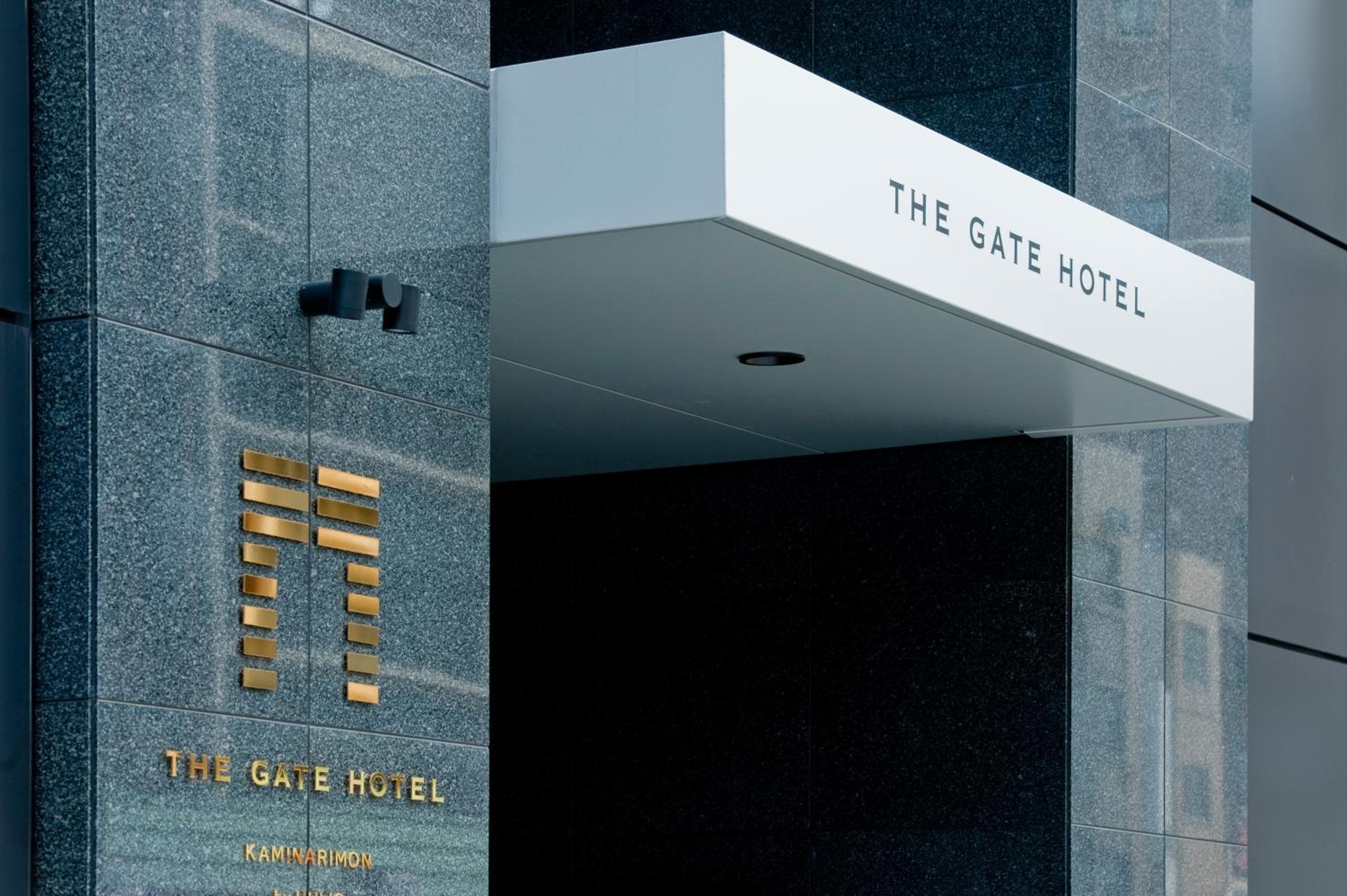 The Gate Hotel Kaminarimon by HulicTokyo, JP★★★★9.2
 - 4
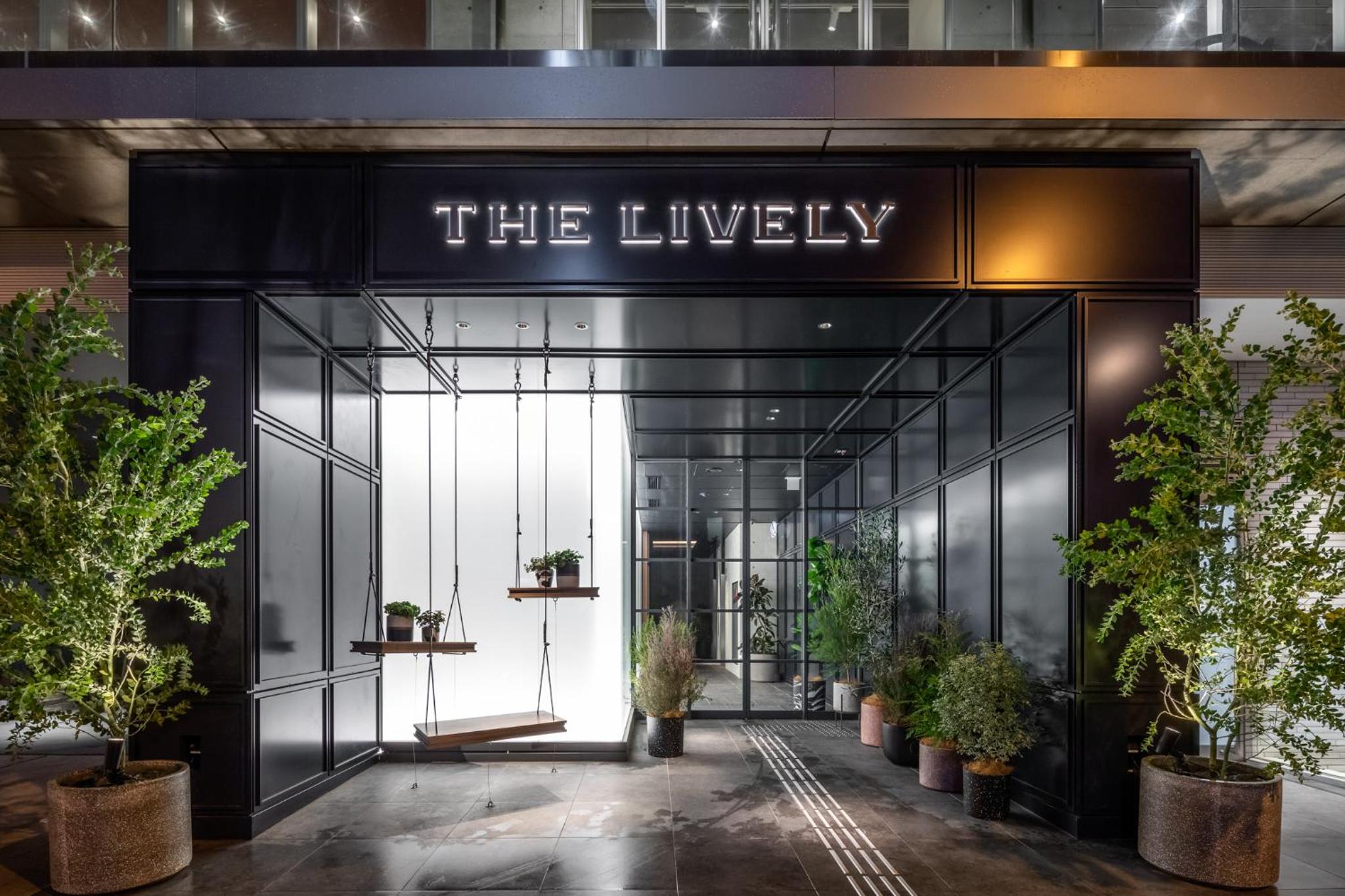 THE LIVELY TOKYO AZABUJUBANTokyo, JP★★★★9.2
 - 5
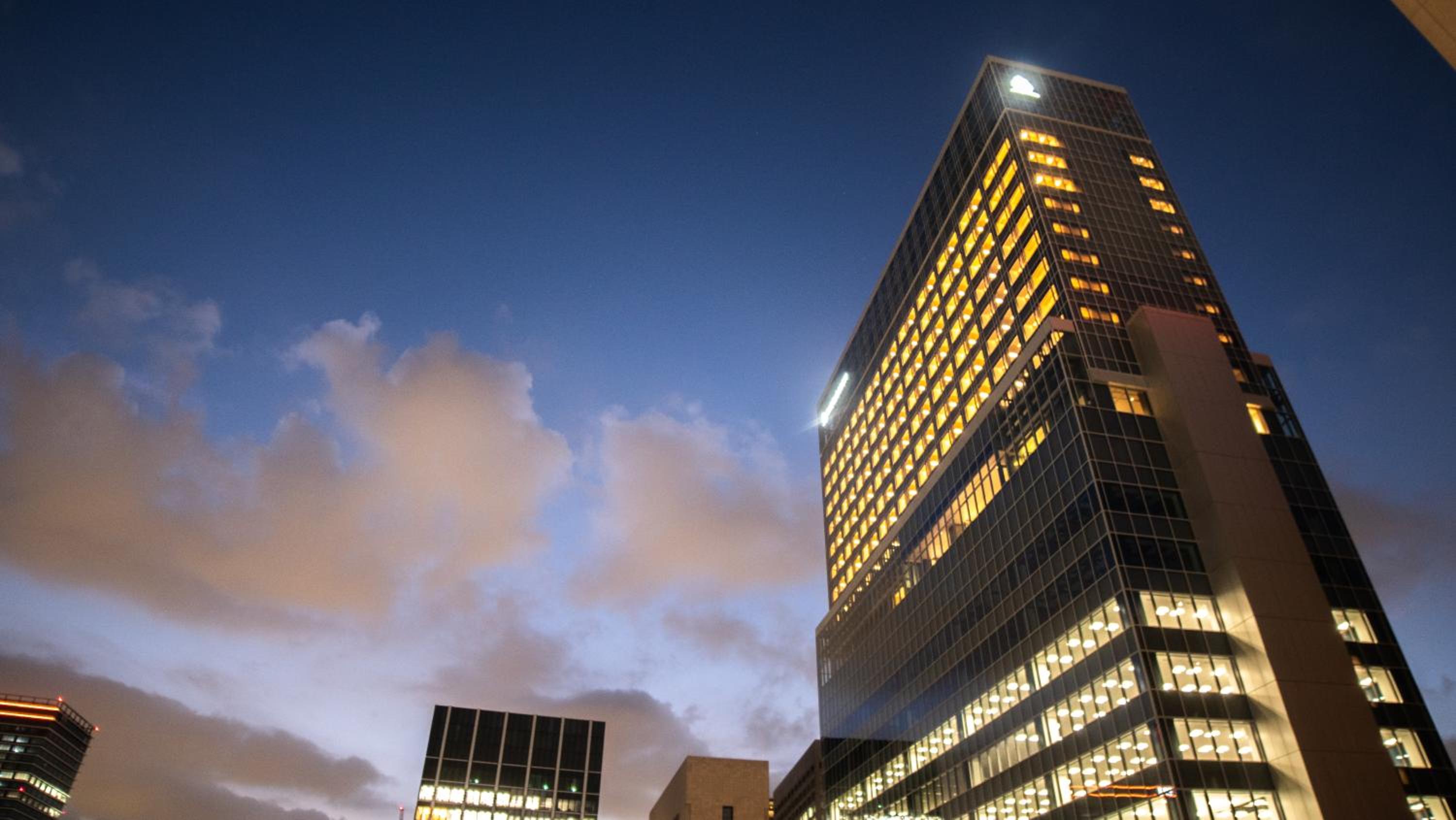 THE BLOSSOM HIBIYATokyo, JP★★★★9.1
 - 6
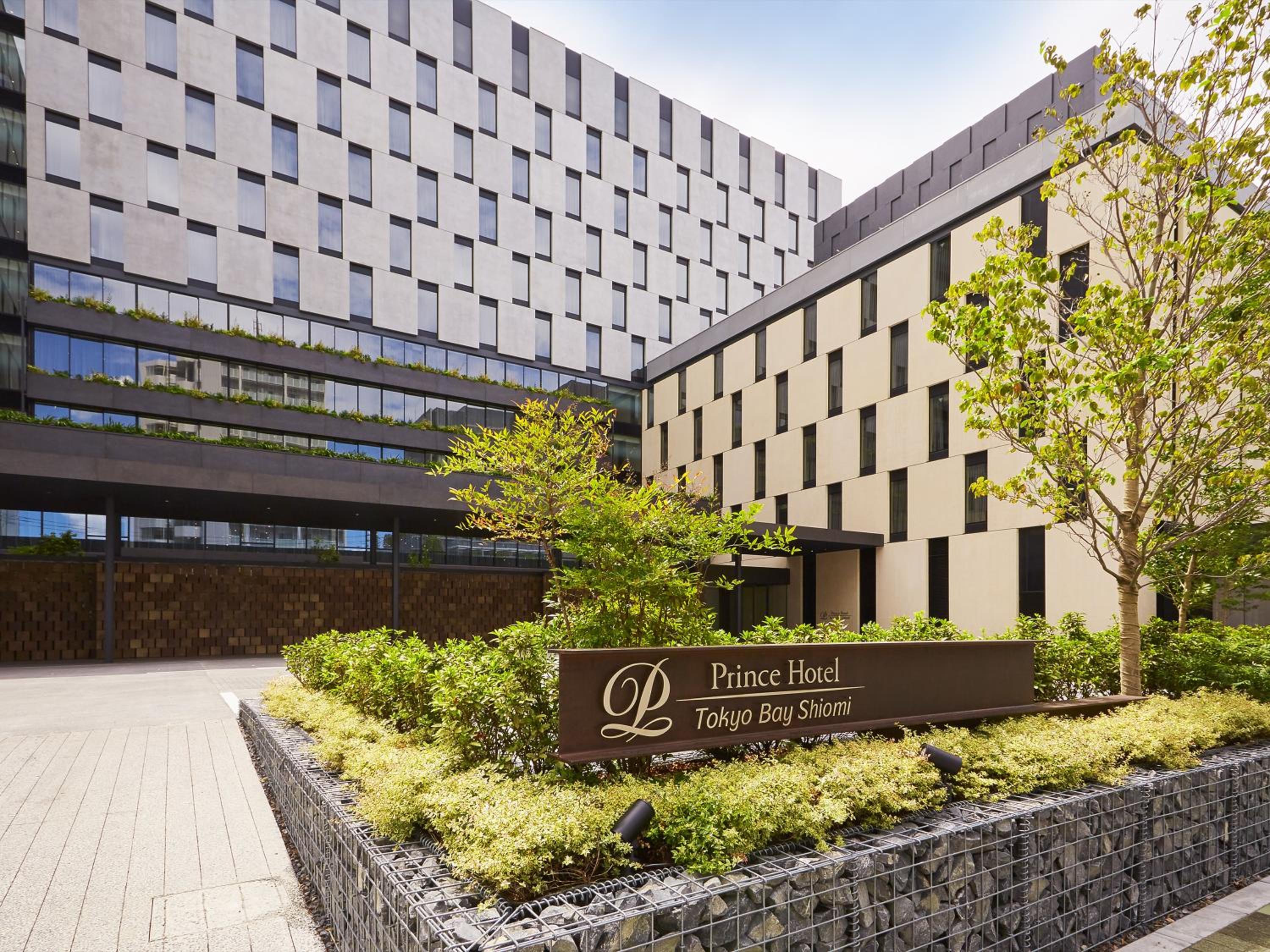 Tokyo Bay Shiomi Prince HotelTokyo, JP★★★★9.1
 - 7
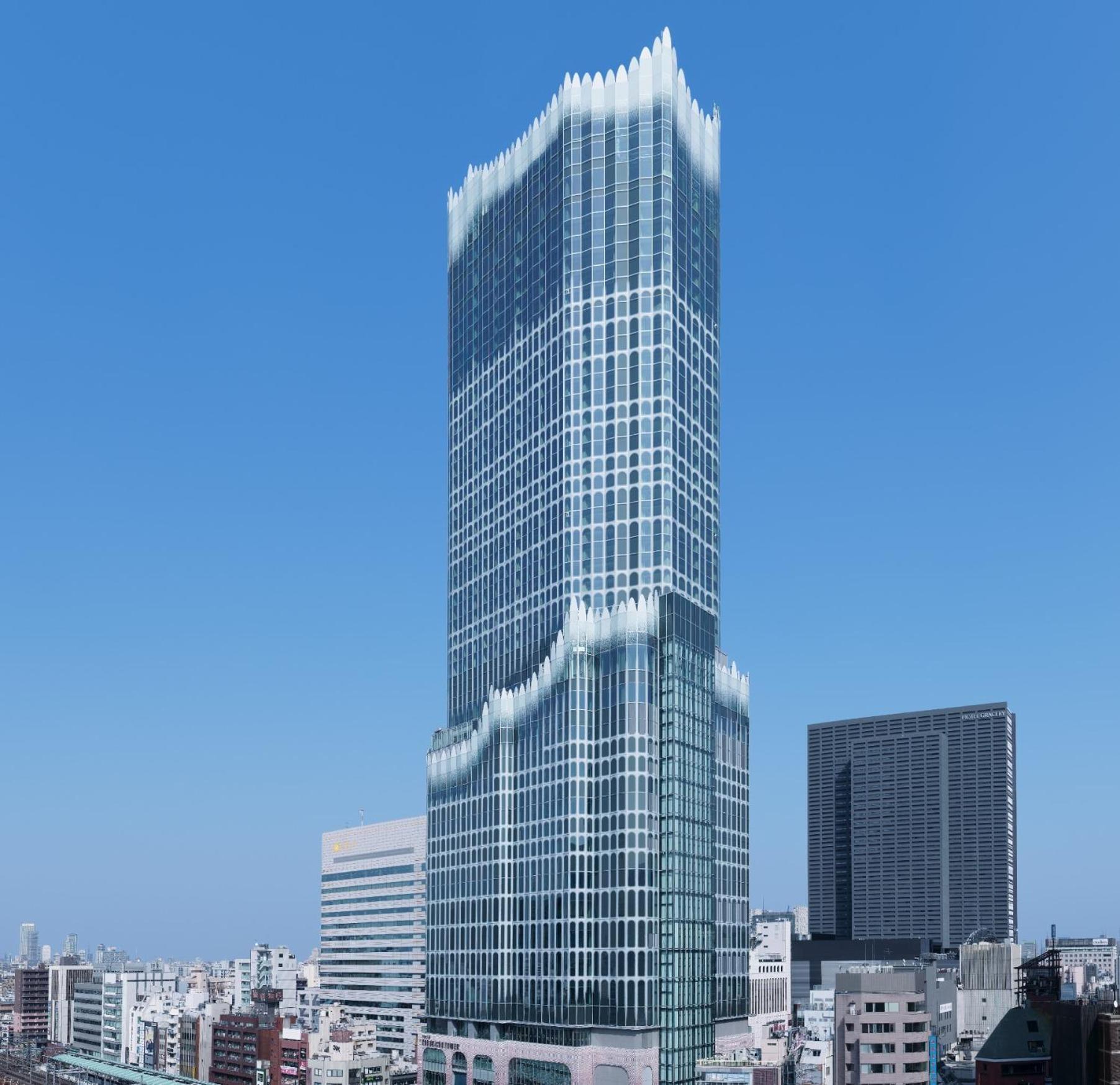 HOTEL GROOVE SHINJUKU, A PARKROYAL HotelTokyo, JP★★★★9.1
 - 8
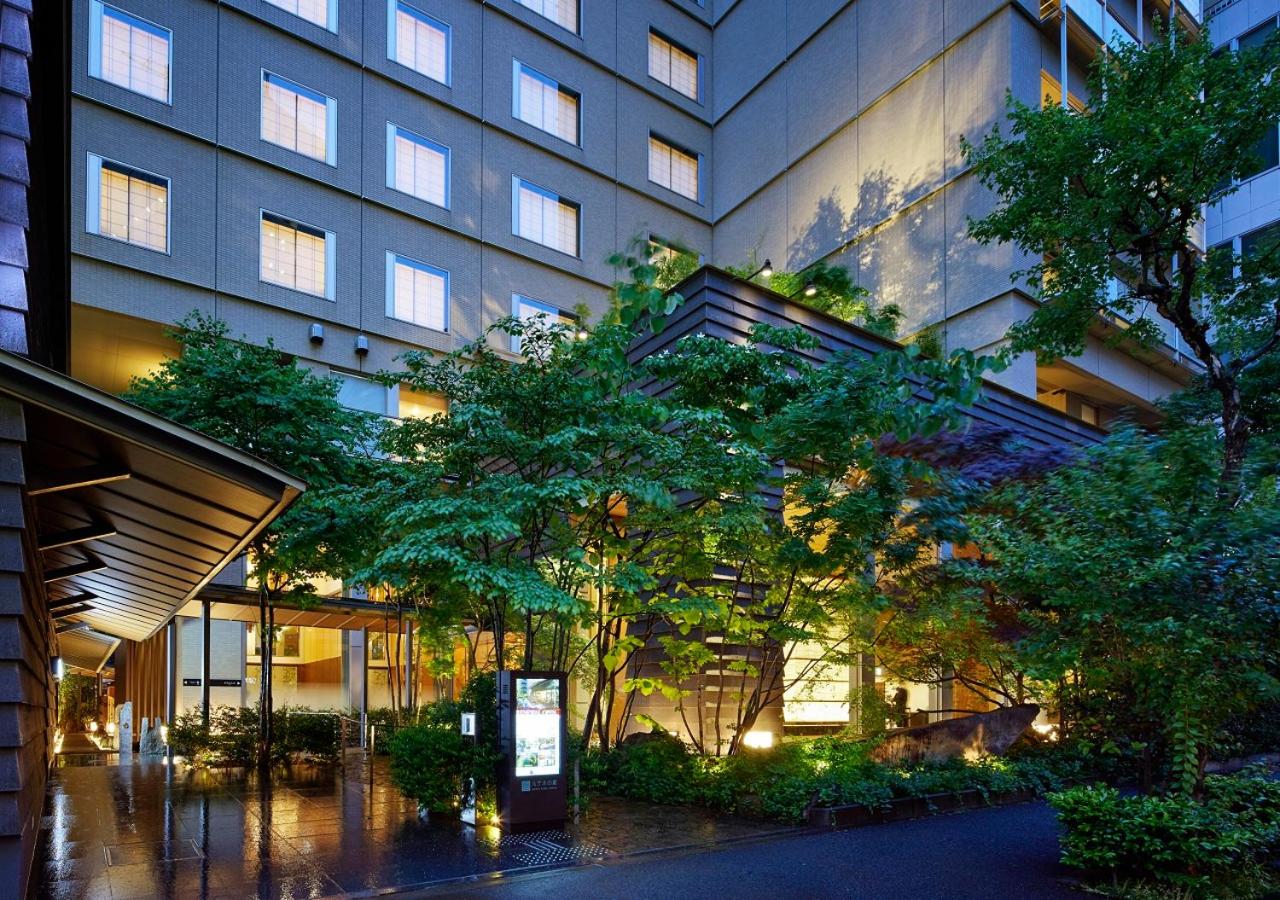 Hotel Niwa TokyoTokyo, JP★★★★9.1
 - 9
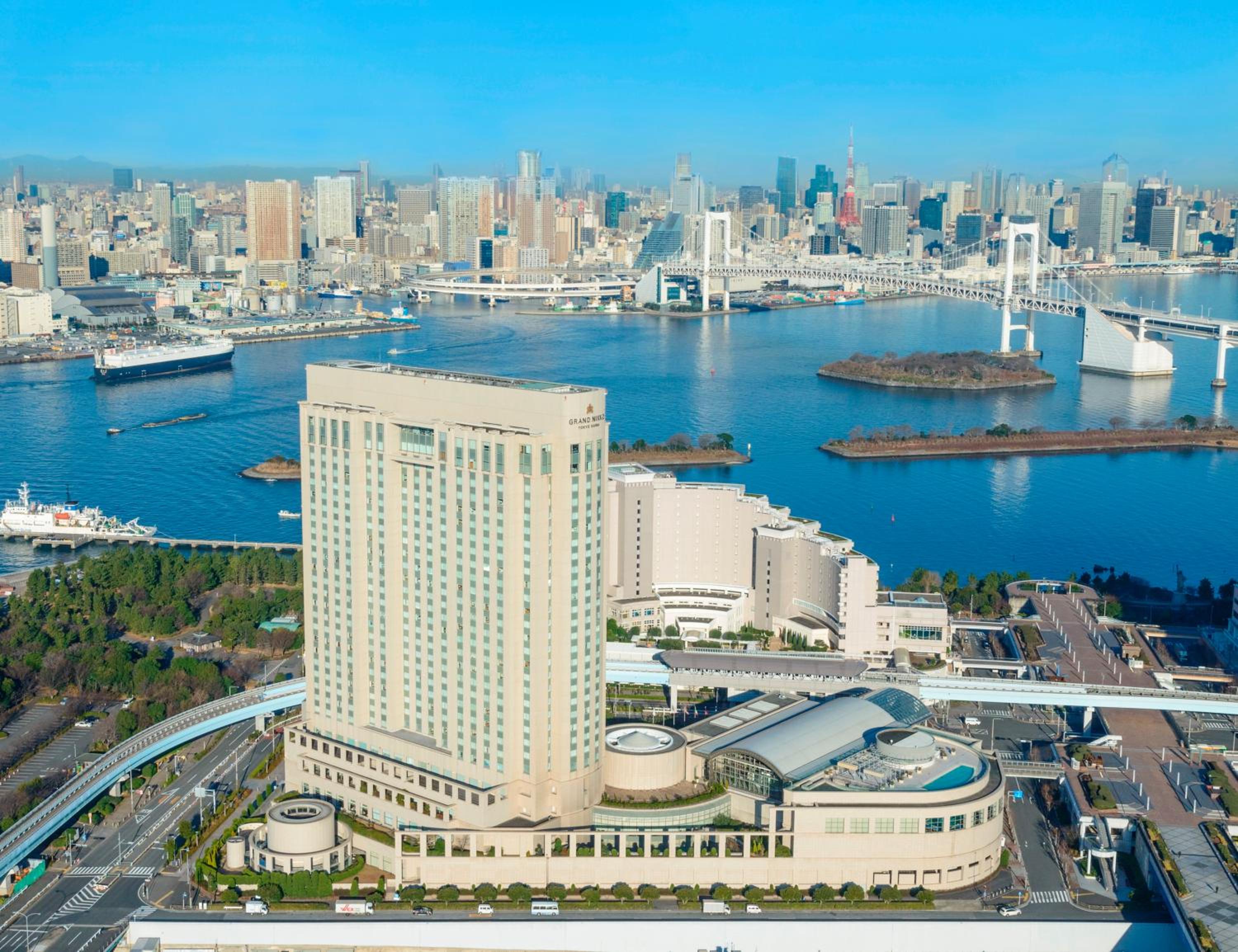 Grand Nikko Tokyo DaibaTokyo, JP★★★★★9.0
 - 10
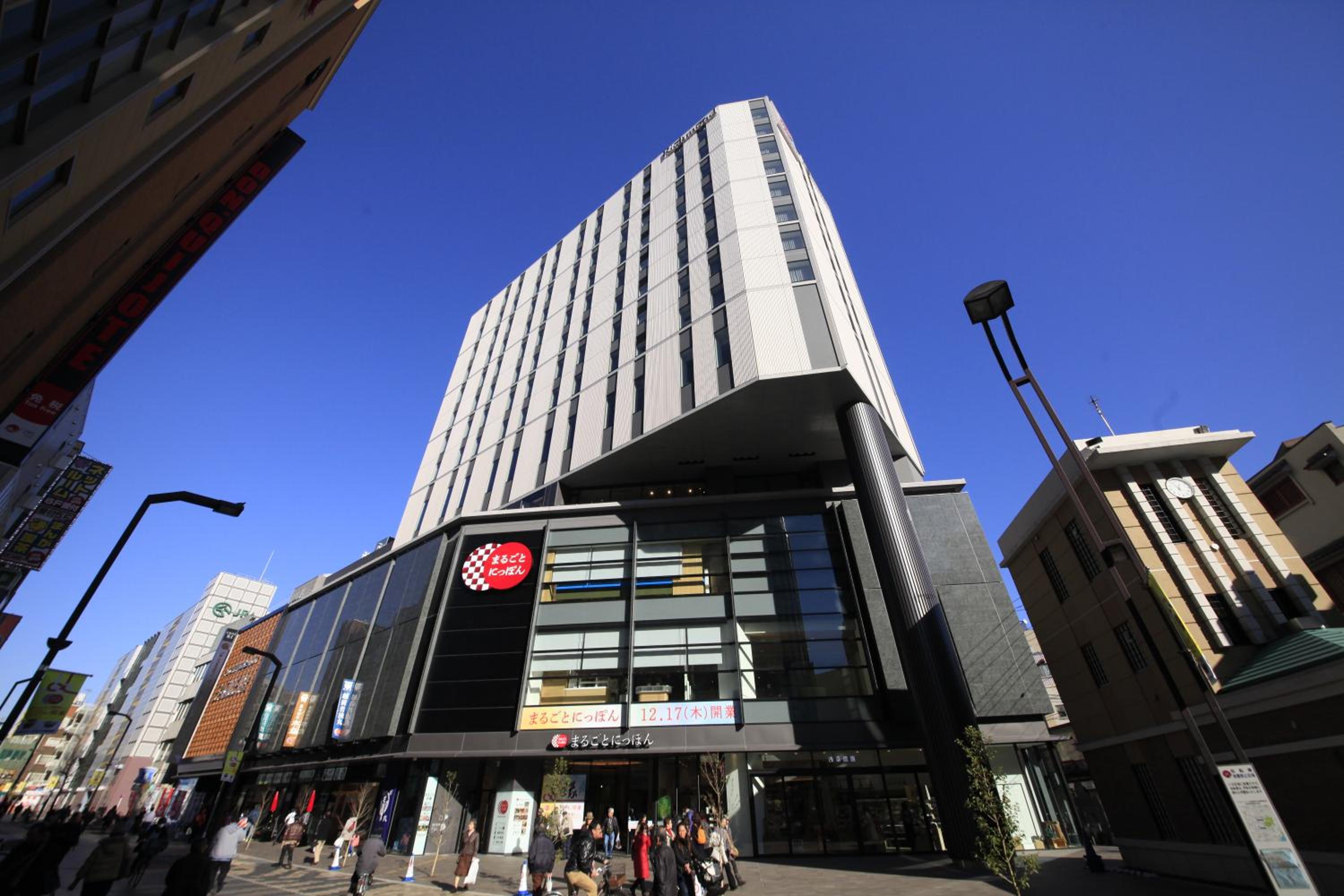 Richmond Hotel Premier Asakusa InternationalTokyo, JP★★★9.0
 - 11
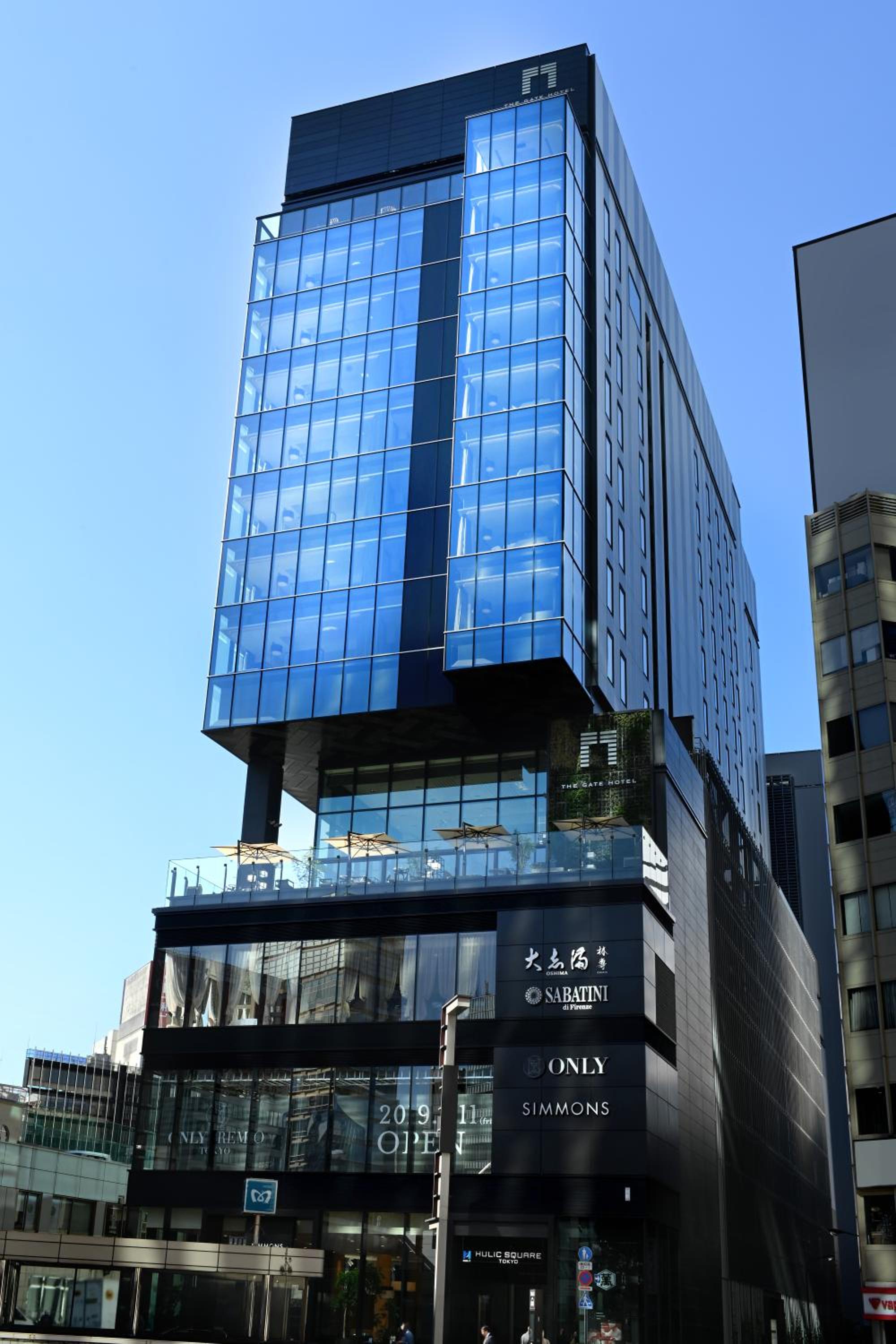 The Gate Hotel Tokyo by HulicTokyo, JP★★★★★9.0
 - 12
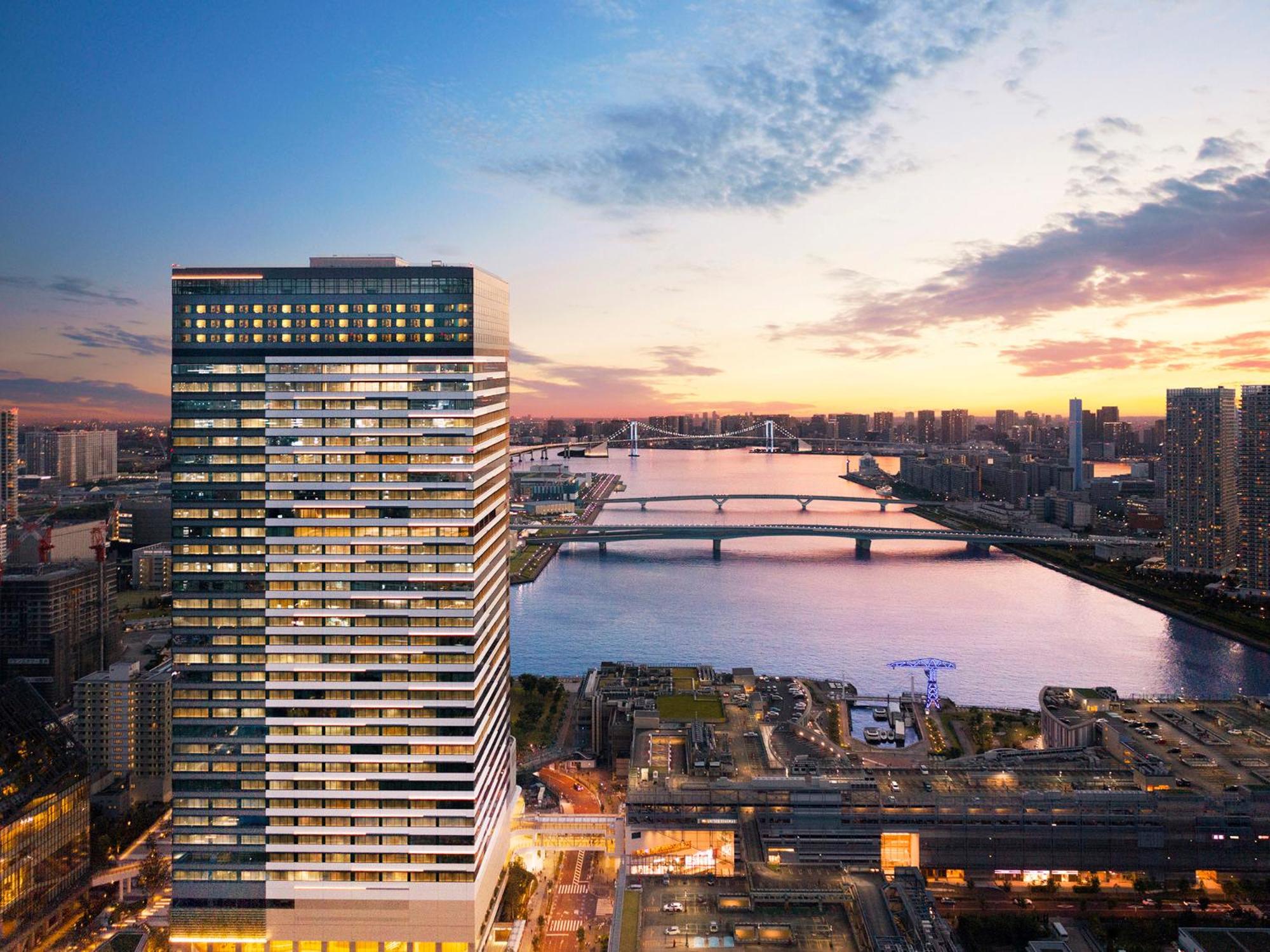 Mitsui Garden Hotel Toyosu Premier - TokyoTokyo, JP★★★★★9.0
 - 13
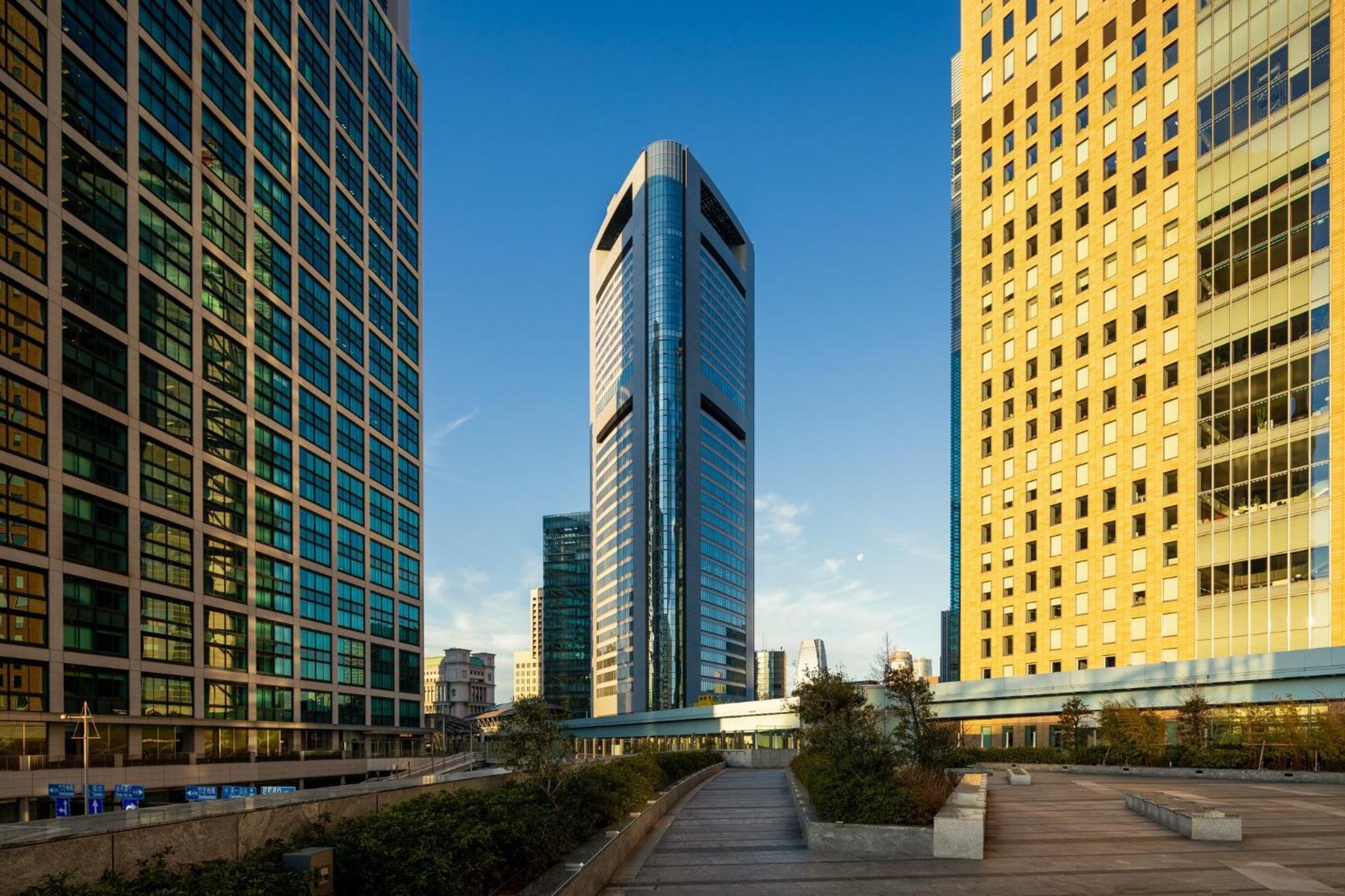 Park Hotel TokyoTokyo, JP★★★★8.9
 - 14
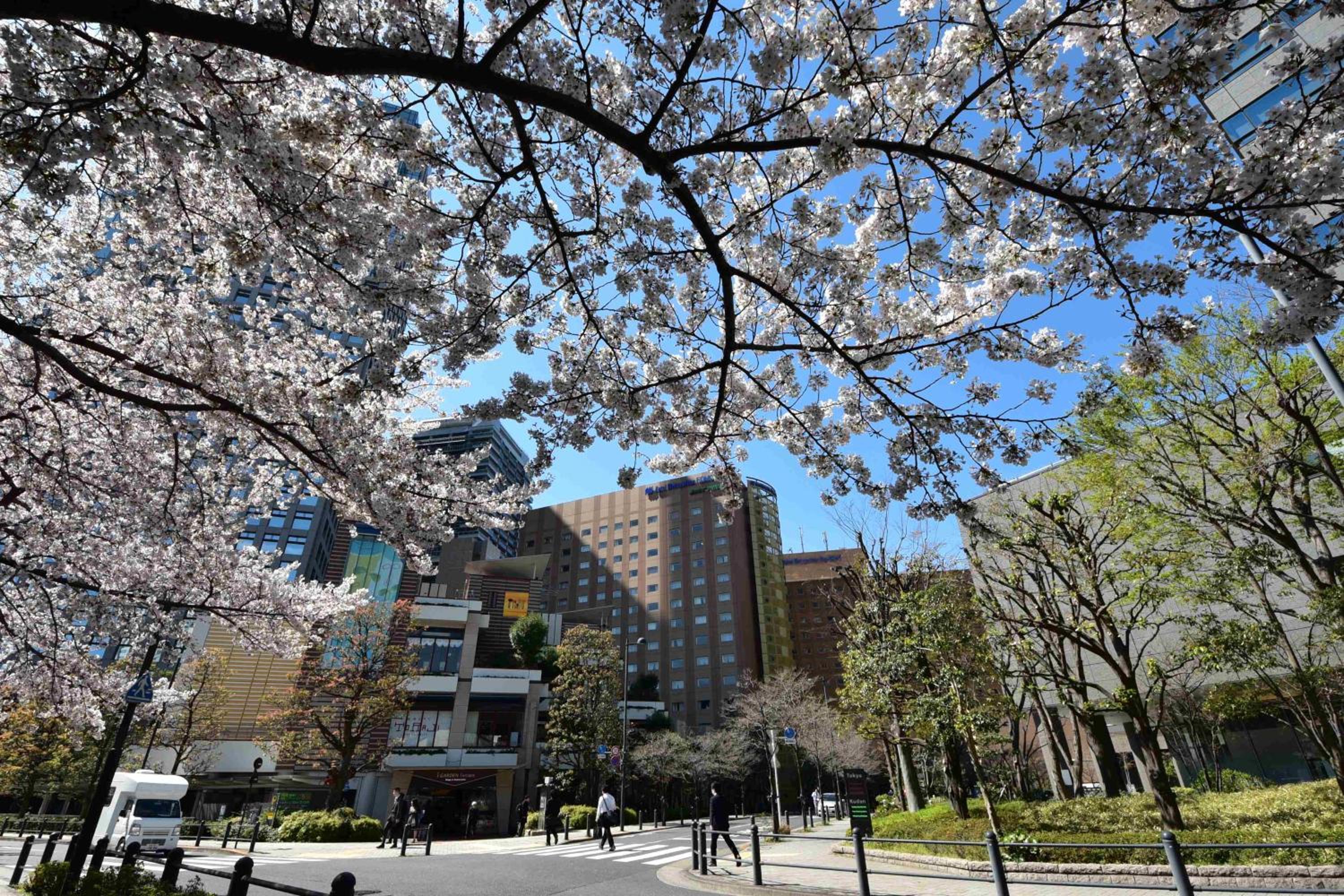 Hotel Metropolitan Edmont TokyoTokyo, JP★★★★8.9
 - 15
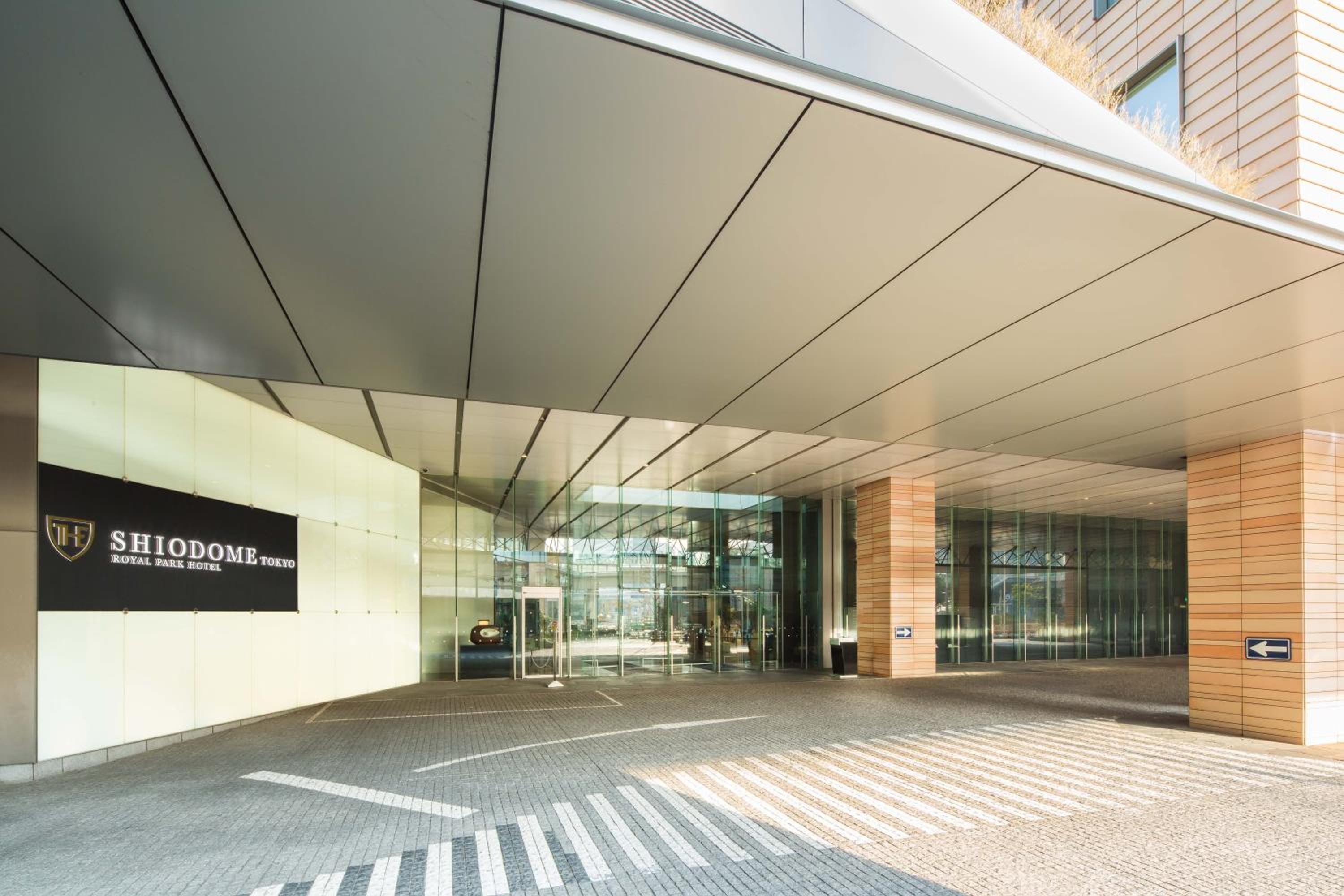 The Royal Park Hotel Iconic Tokyo ShiodomeTokyo, JP★★★★8.8
 - 16
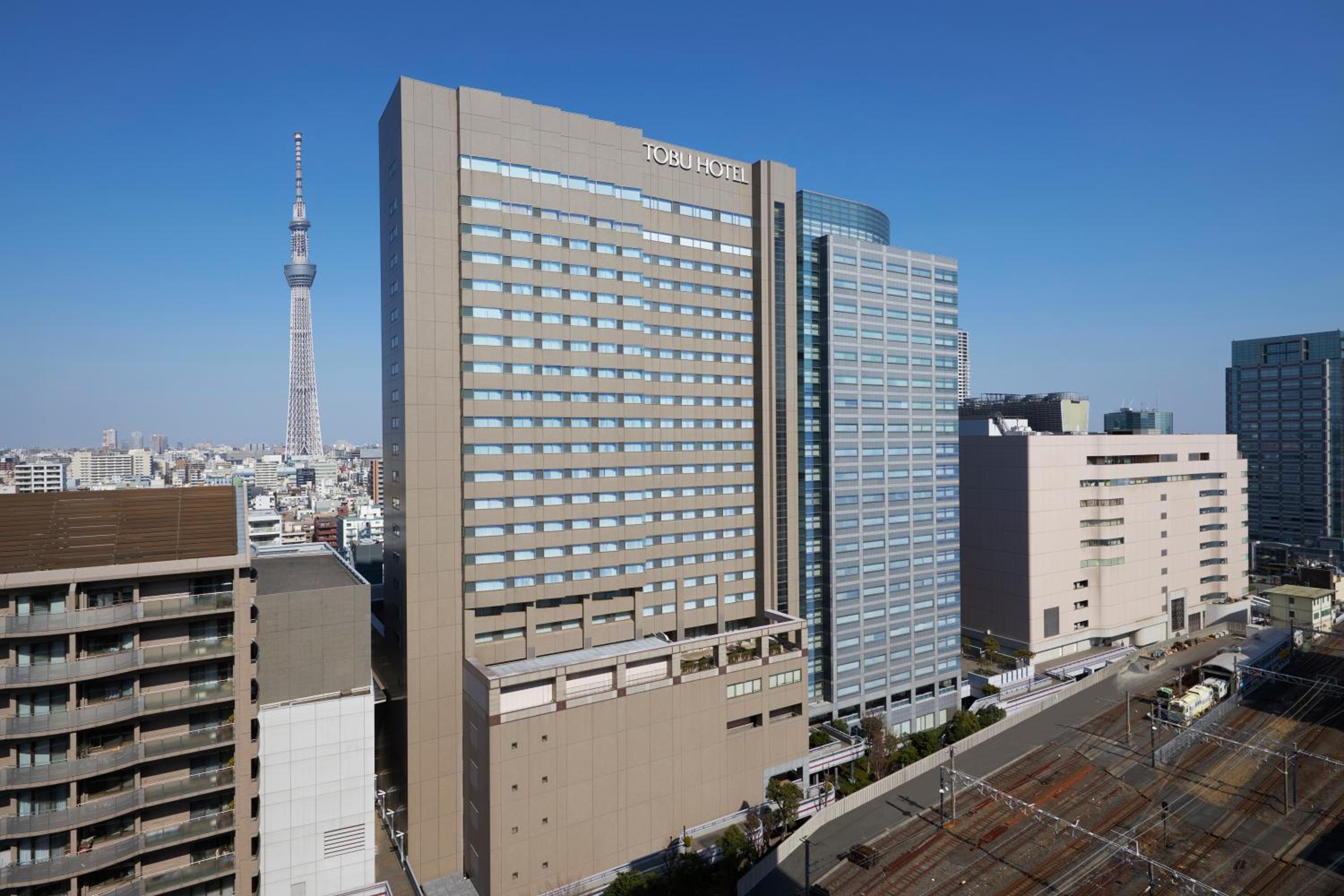 Tobu Hotel Levant TokyoTokyo, JP★★★★8.8
 - 17
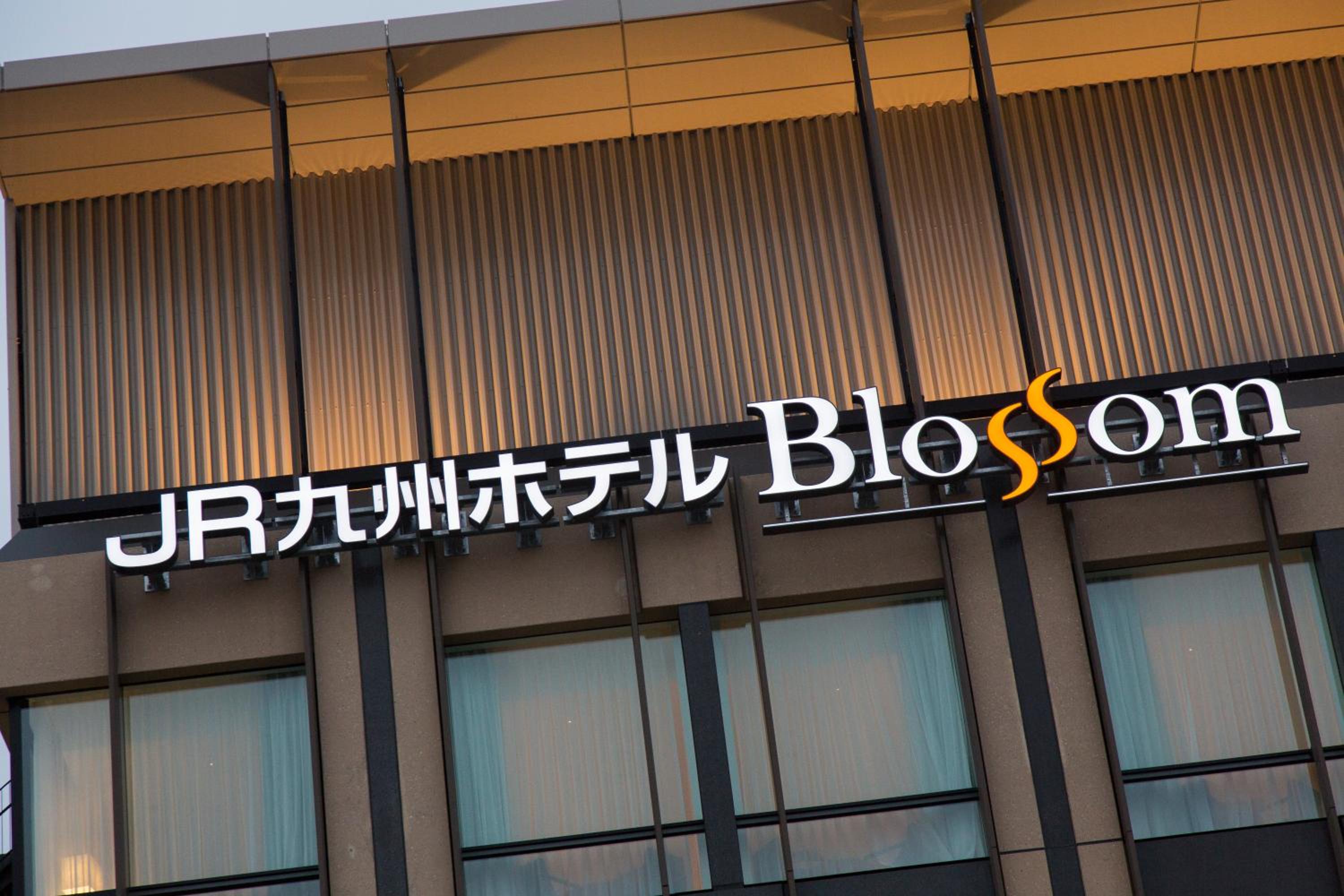 JR Kyushu Hotel Blossom ShinjukuTokyo, JP★★★★8.8
 - 18
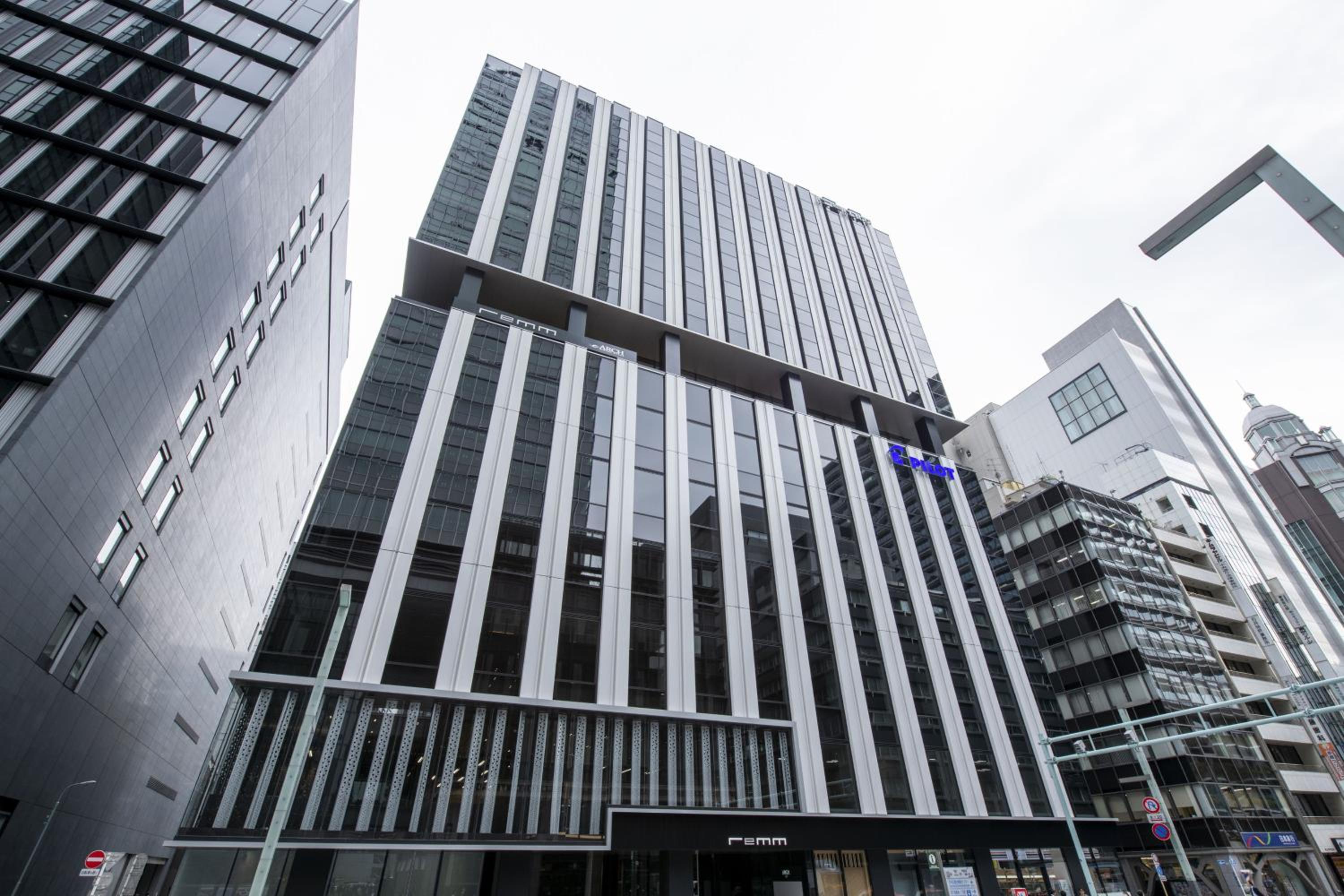 remm Tokyo KyobashiTokyo, JP★★★8.8
 - 19
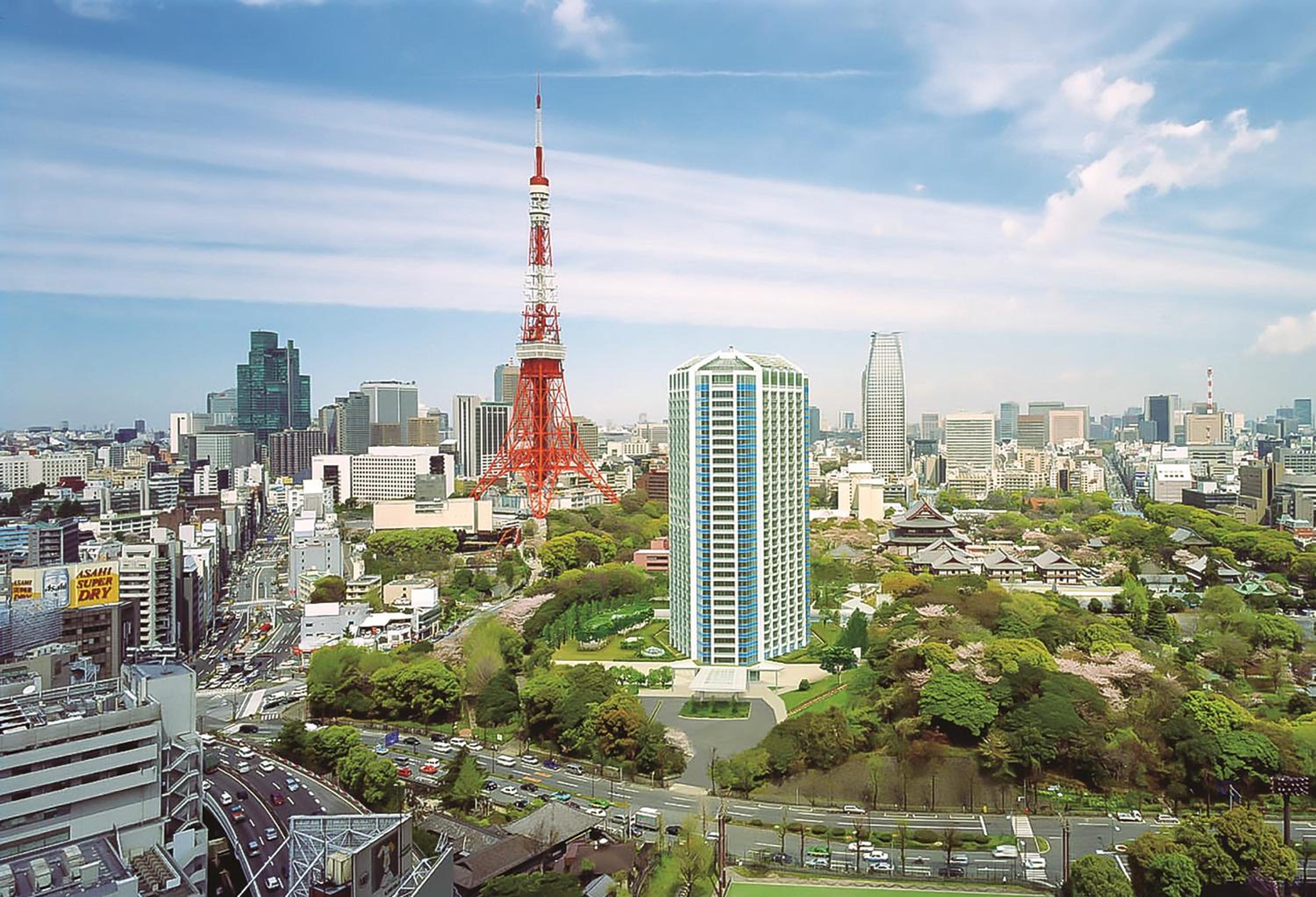 The Prince Park Tower Tokyo - Preferred Hotels & Resorts, LVX CollectionTokyo, JP★★★★★8.8
 - 20
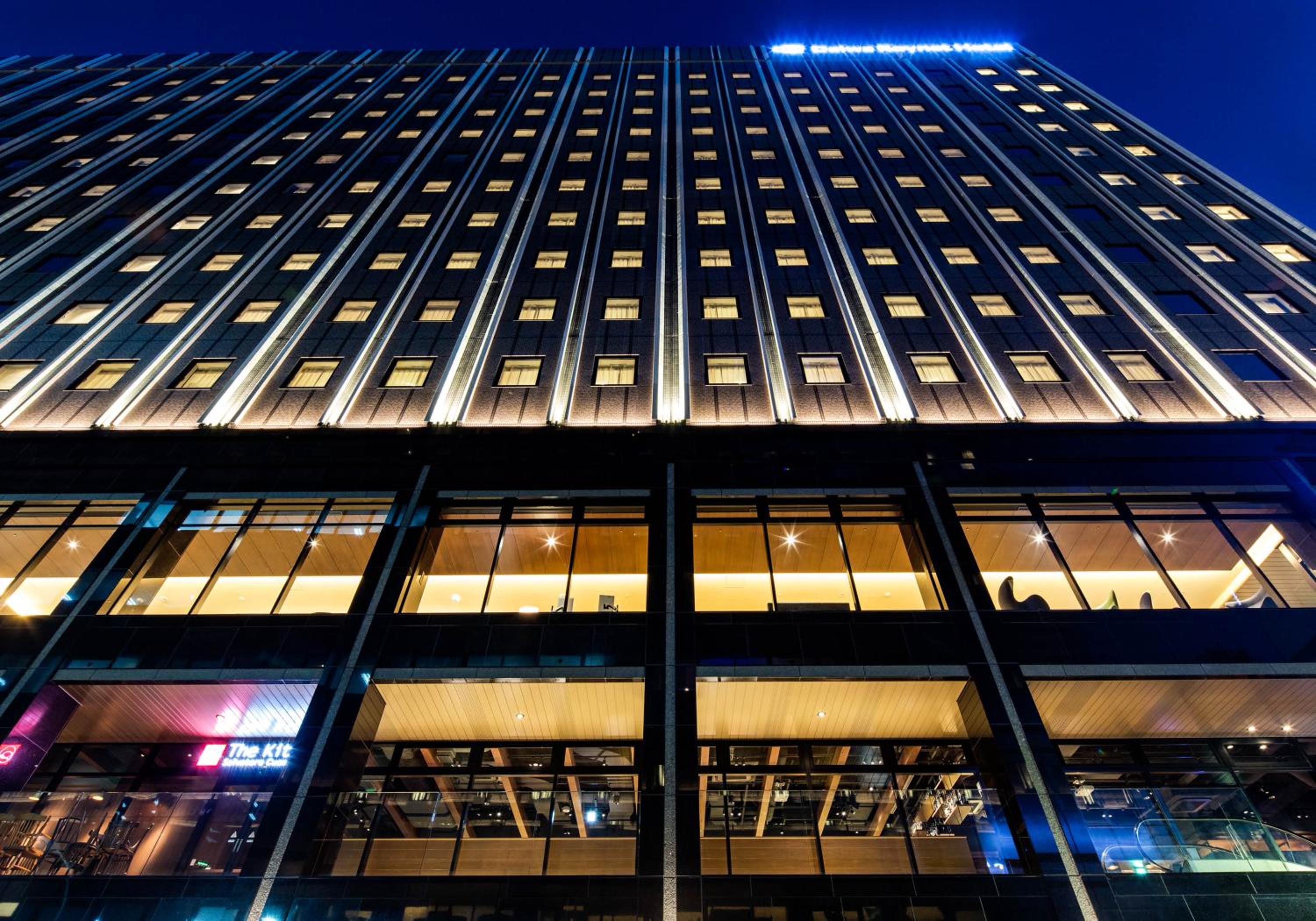 Daiwa Roynet Hotel Ginza PREMIERTokyo, JP★★★★8.8
 - 21
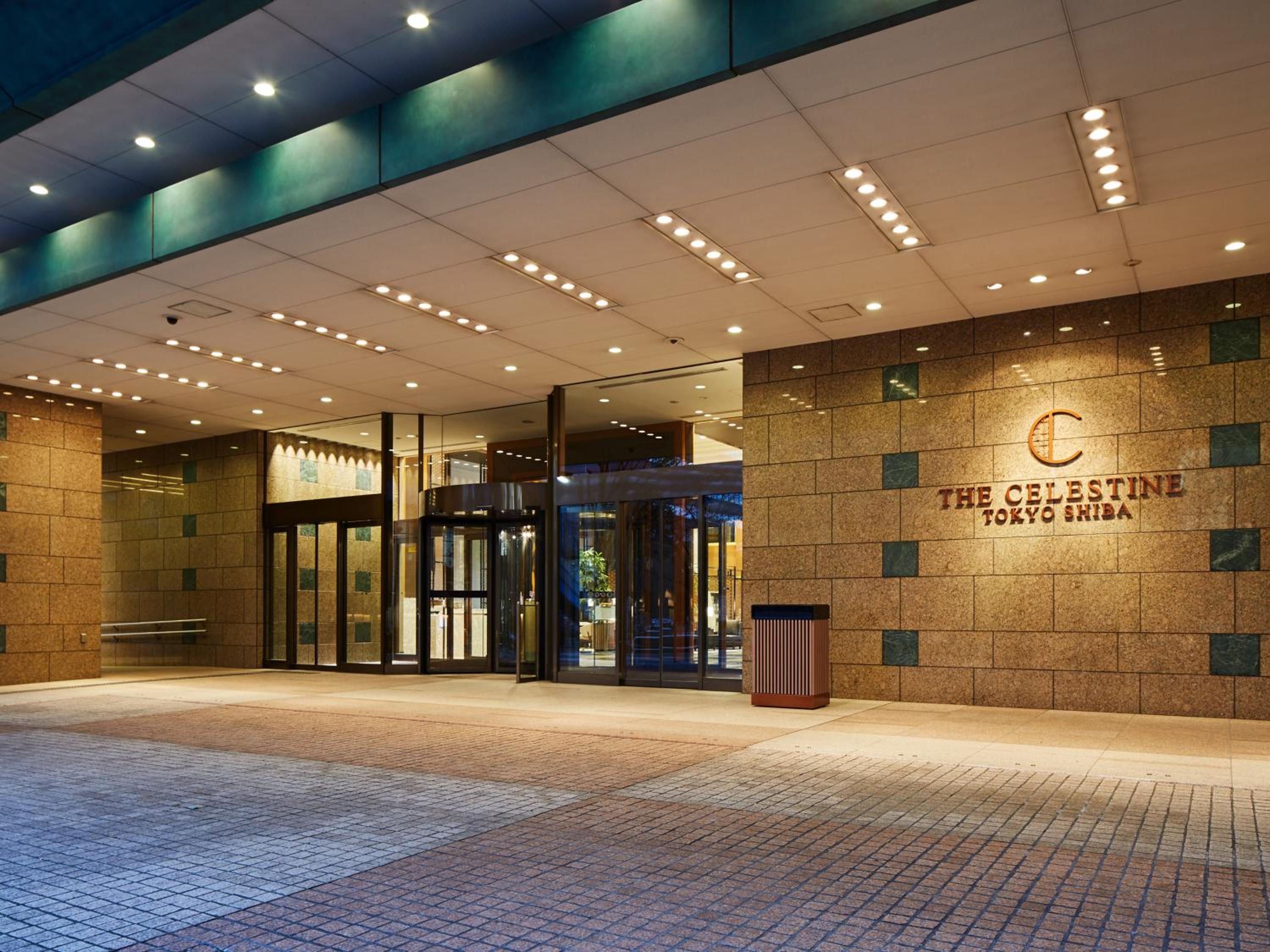 Hotel The Celestine Tokyo ShibaTokyo, JP★★★★★8.8
 - 22
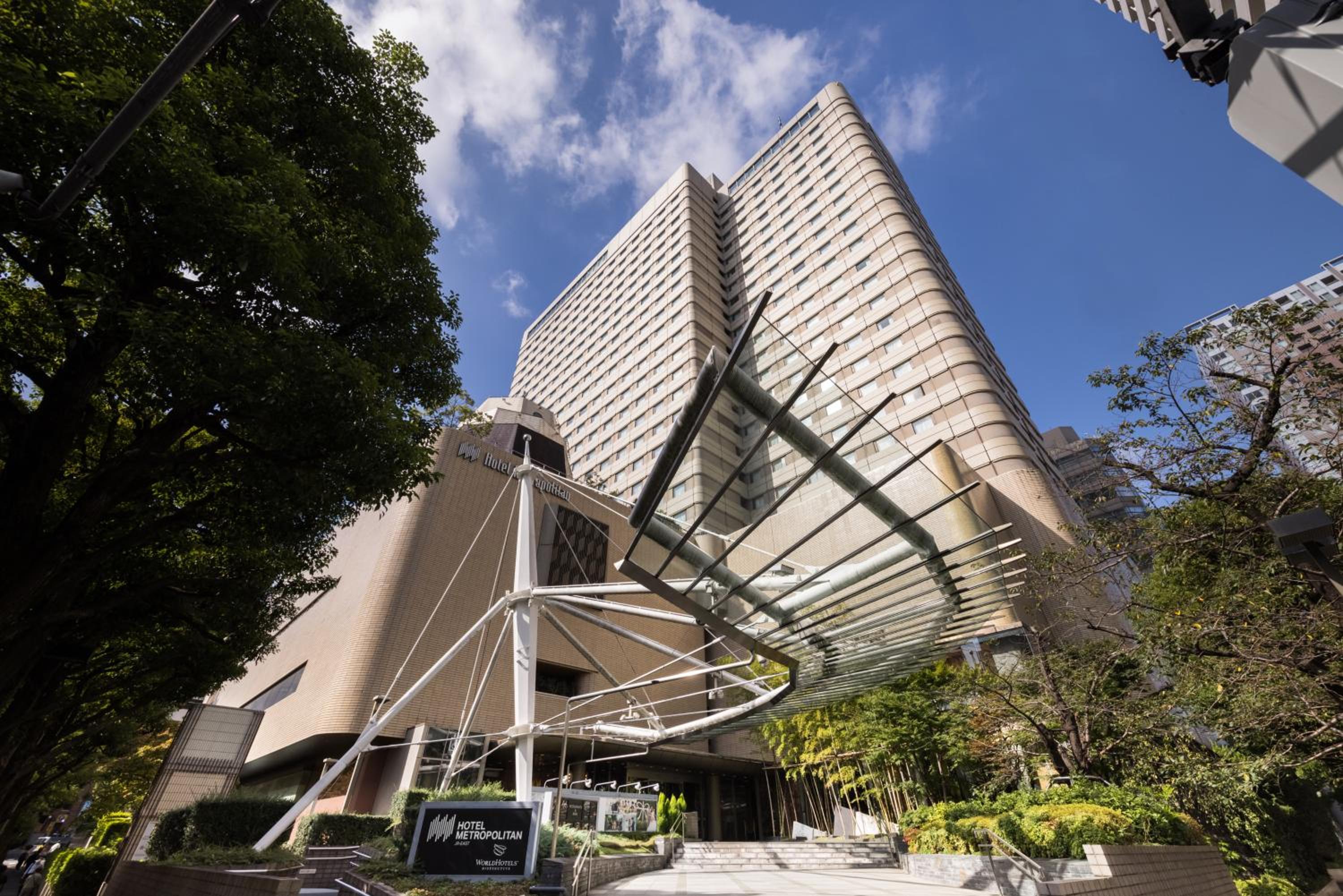 Hotel Metropolitan Tokyo IkebukuroTokyo, JP★★★★8.8
 - 23
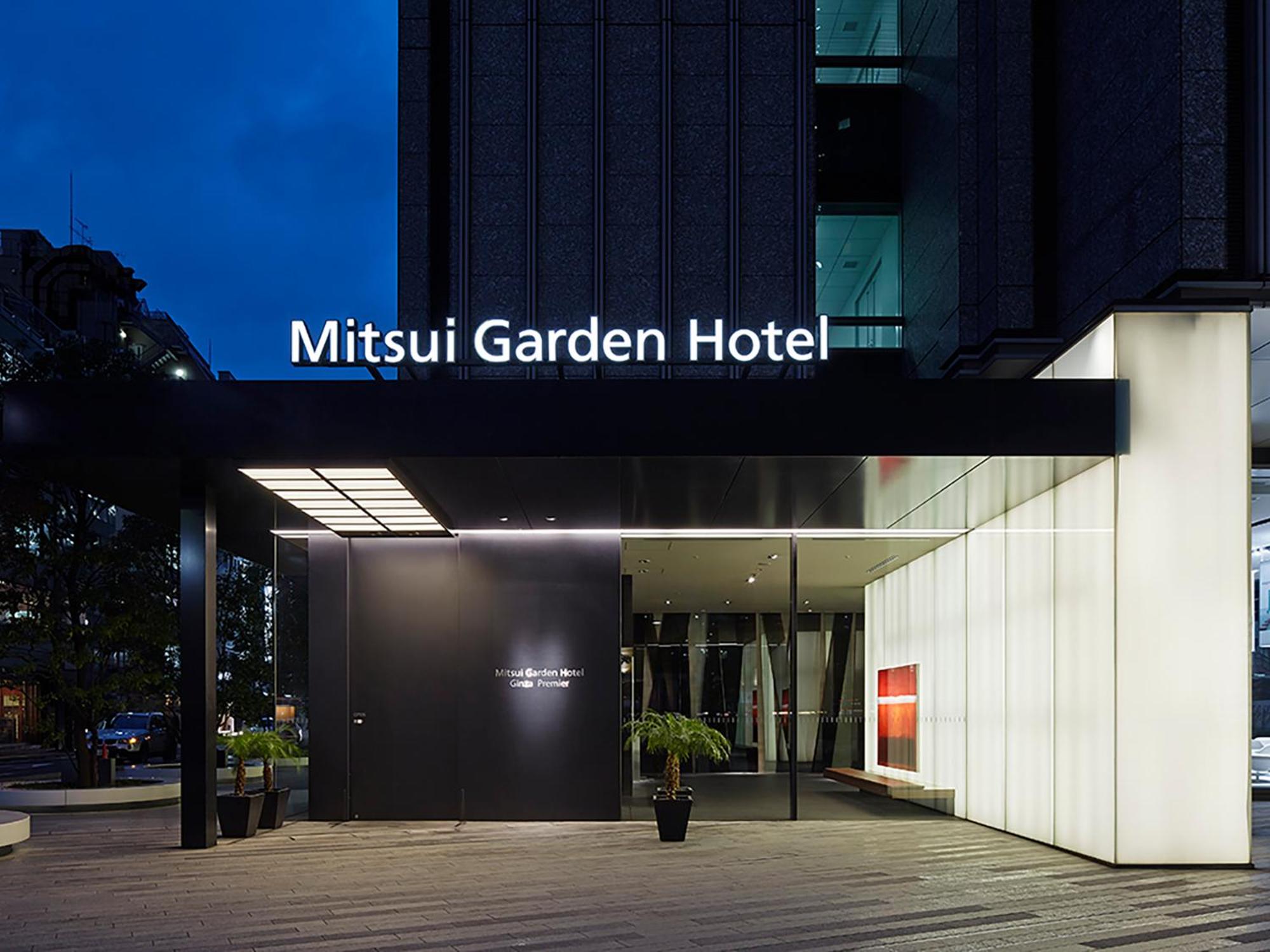 Mitsui Garden Hotel Ginza PremierTokyo, JP★★★★★8.8
 - 24
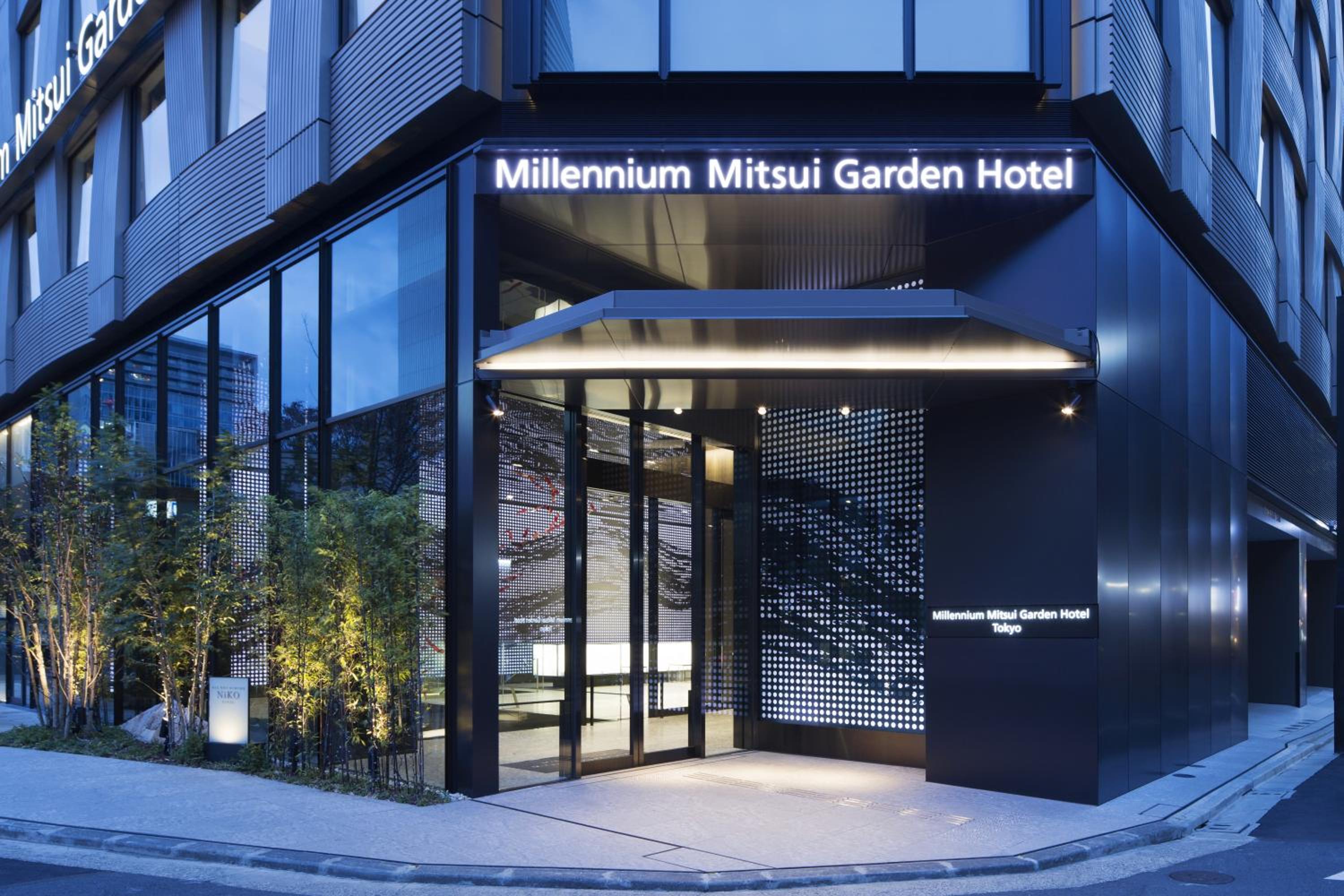 Millennium Mitsui Garden Hotel Tokyo - GinzaTokyo, JP★★★★★8.8
From the journal
- What a week in the Maldives really costs, with real numbers
- Overwater villa or beach villa: the choice the photos won't help you make
- Why the same hotel costs different amounts on every site you open
- Hotel loyalty programs: who they're actually worth it for