Flights · August 28, 2026 · 9 min read
Flight delayed or cancelled: what EC 261 actually owes you
The three compensation amounts, the arrival clock that decides them, what extraordinary circumstances really covers, and the care you are owed anyway.
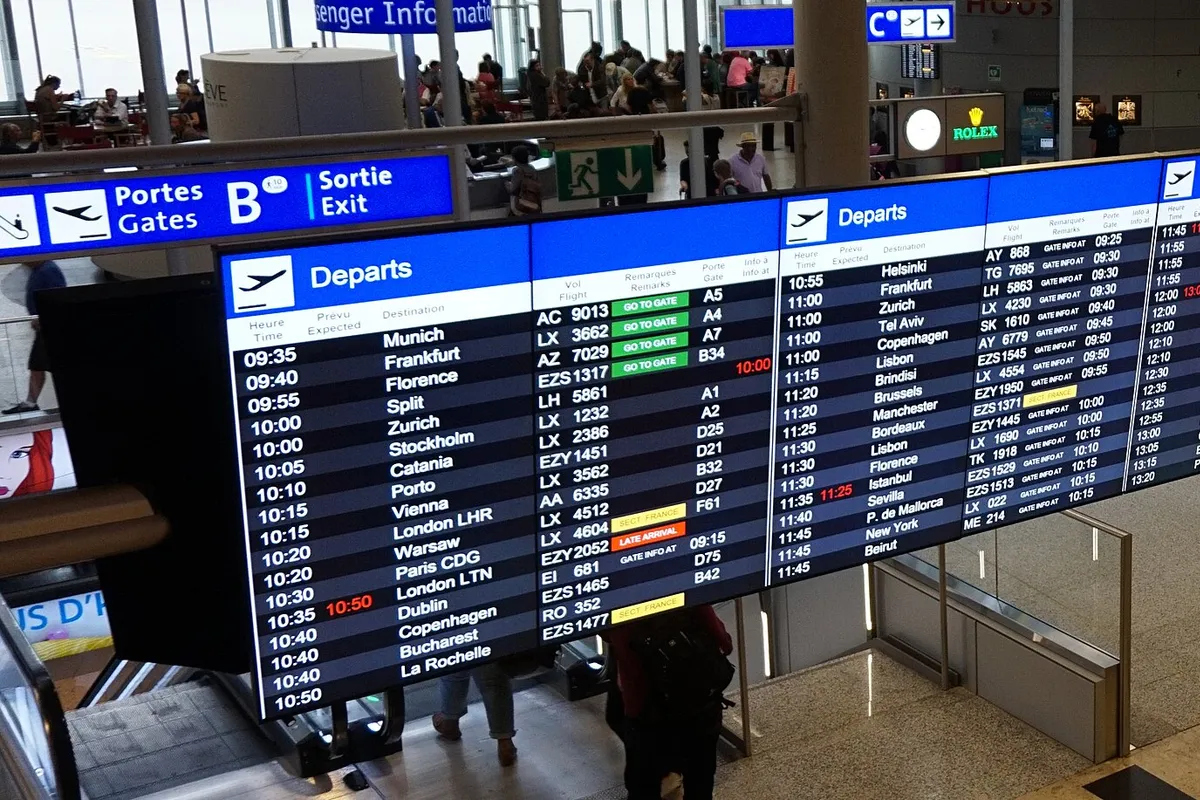
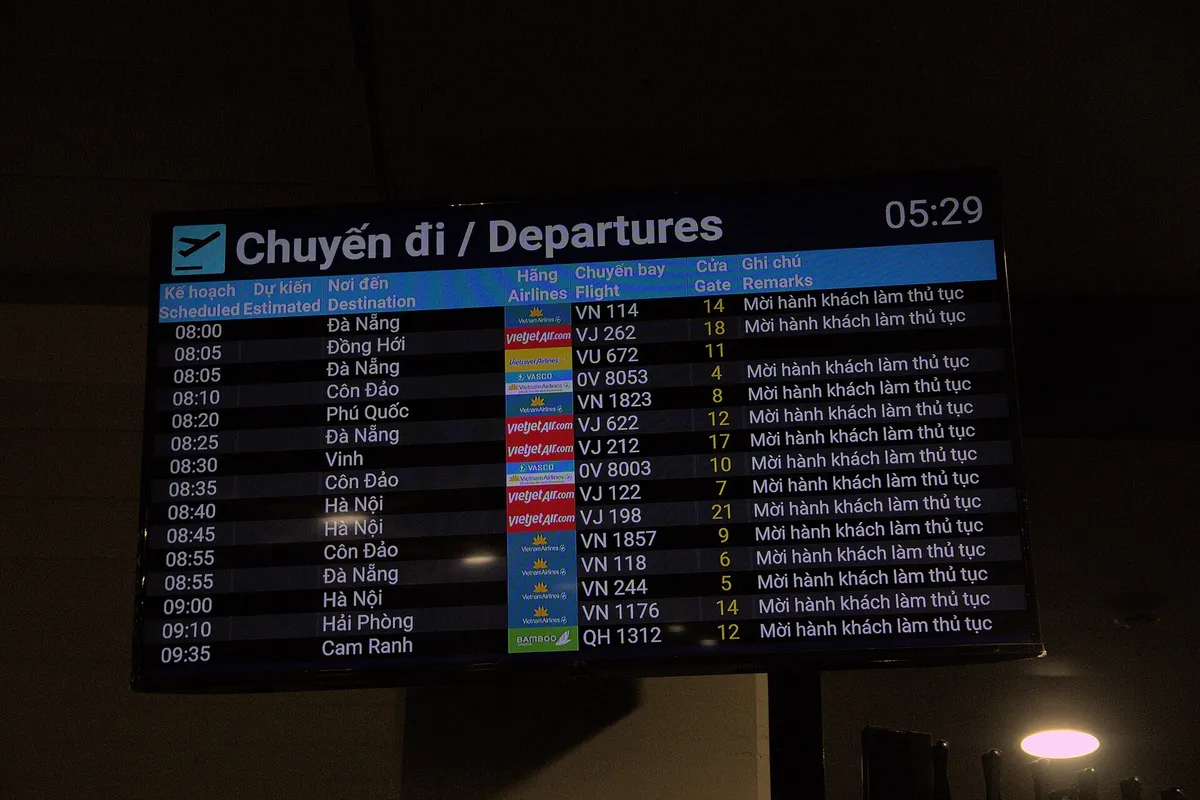
The board flips to delayed, the gate agent says nothing useful, and everyone starts searching on their phone. What comes back is twenty sites that all want a percentage of money you have not been paid yet.
The rules themselves are short and public. Regulation (EC) 261/2004 covers every flight leaving an airport in the EU, whoever operates it, and every flight arriving in the EU on an EU licensed airline. Here is what it says, without the commission.
Three amounts, and the distance that picks one
Compensation does not scale with how annoyed you are. It scales with distance, in three steps that the European Commission publishes in plain text:
- 250 euro for flights of 1,500 km or less.
- 400 euro for flights over 1,500 km inside the EU, and for every other flight between 1,500 and 3,500 km.
- 600 euro for flights over 3,500 km.
One catch on the long ones: if the airline re-routes you and you still land less than four hours late, it may halve the 600 to 300. Nothing similar applies to the two smaller bands.
The amount is per passenger, not per booking. A family of four on a delayed short haul is owed 1,000 euro, not 250.
The clock that counts is the arrival clock
This is the part most people get wrong, and it usually works in your favour. The threshold is three hours late at your final destination, not three hours late off the stand. A flight that pushes back ninety minutes down and lands three and a half hours late qualifies. A flight that leaves four hours late and makes most of it up in the air does not.
The three hour rule is not in the text of the regulation. It comes from the Court of Justice in the Sturgeon judgment, which held that passengers who lose three hours or more are in the same position as passengers whose flight was cancelled, and are owed the same compensation. It has been settled law ever since.
On a connecting itinerary bought as one booking, the final destination is the last airport on the ticket. Miss the connection because leg one was late, and the delay that counts is the one you accumulate by the time you finally arrive.
What extraordinary circumstances actually covers
Airlines do not owe compensation when the cause was an extraordinary circumstance that could not have been avoided even with all reasonable measures. The email you receive will use those words. The words have a narrower meaning than the email implies, and the burden of proof sits with the airline, not with you.
- Usually extraordinary: severe weather, air traffic control strikes and restrictions, security threats, political instability, a bird strike.
- Usually not: technical problems. The Court held in Wallentin-Hermann that a technical fault appearing in the ordinary course of running an airline is inherent in the business and is not extraordinary, even when the airline calls it unexpected.
- Usually not: a strike by the airline's own staff. In Airhelp v SAS the Court treated industrial action by the carrier's own employees as part of normal management, not as an outside event.
When an airline claims an extraordinary circumstance, it has to be able to show it, with logbook extracts or incident reports, to you and to the national enforcement body. A one line refusal is not evidence.
What you get even when you get nothing
Compensation and care are two different obligations, and this distinction is the single most useful thing to know while standing in the terminal. Care is owed even when the cause is extraordinary and no compensation is due.
Once the delay reaches two hours on short flights, three hours in the middle band and four hours on long haul, the airline owes you meals and refreshments in proportion to the wait, two phone calls or emails, and, if you are pushed to the next day, a hotel room and the transfer to it.
In practice this is often handed out as vouchers, and often only if you ask. If nobody is handing anything out, keep the receipts and claim the cost back. It is easier to be reimbursed for a reasonable dinner than to argue about whether it should have been offered.
Denied boarding, and the downgrade nobody claims
If you are bumped from an overbooked flight against your will, having checked in on time, compensation is owed on the same three amounts. The exceptions are narrow: health, safety, security, or missing travel documents.
And there is a provision almost nobody uses. If the airline puts you in a lower class than the one you paid for, it owes you a refund of part of the ticket price: 30 percent for flights of 1,500 km or less, 50 percent for flights between 1,500 and 3,500 km, 75 percent for the longest. That is a reimbursement of your money, separate from any compensation.
Claiming it without giving away a third of it
Claim companies exist because the process is tedious, not because it is hard. They typically keep a quarter to a third of the payout. Try it yourself first:
1. Write to the airline, in its own claim form if it has one. Give the booking reference, flight number, date, scheduled and actual arrival times, and the amount you are claiming with the distance band you are using. 2. Keep the evidence. Boarding passes, the delay notice, photos of the departure board, receipts. 3. If it refuses or goes quiet, escalate to the national enforcement body of the country where the flight departed. Every EU state has one, and it costs nothing. 4. If the airline is in another EU country and the wall stays up, the European Consumer Centres Network handles cross border disputes between consumers and traders inside the EU, free of charge.
How long you have to claim is set by national law, not by the regulation, and it varies a lot from country to country. Check the limit where you are claiming before you assume an old flight is out of reach.
Where this protection stops
It stops at the aircraft door. There is no hotel equivalent of these rules: if a property gives your room away, the fixed sums do not apply and what you get depends on the contract and on what you ask for at the desk, which is the subject of what you can claim when a hotel is overbooked.
If the flight was part of a package with accommodation, the organiser answers under the package travel directive, not just the airline. And if you are looking at travel insurance to cover the gap, read what it actually pays for first in travel insurance: what you need. Insurance covers what the airline does not owe, which is a smaller set than most policies imply.
One last practical point. A delay is worth less trouble when the night at the other end is flexible. A free cancellation rate costs a little more than a prepaid one and buys you the right to change your mind at four in the morning in a terminal. When you compare, compare that too: hotels in Barcelona, hotels in Amsterdam, or start from destinations if the trip is still open.
Edenfinder
Paradise has a price. We find it lower.
We compare prices for the same hotels across every major booking platform, with direct links to the right page.
Search your hotel →Frequently asked questions
How much am I owed for a delayed flight?
250 euro for flights of 1,500 km or less, 400 euro for flights over 1,500 km inside the EU and other flights between 1,500 and 3,500 km, 600 euro beyond 3,500 km. The threshold is three hours late at the final destination, not at departure, and the amount is per passenger, not per booking. On flights over 3,500 km the airline may halve it to 300 if it re-routes you and you land less than four hours late.
The airline says extraordinary circumstances. Is that the end of it?
No. The burden of proof is on the airline, which has to document it to you and to the national enforcement body. Severe weather, air traffic control strikes and security threats usually qualify; technical faults arising in normal operations and strikes by the airline’s own staff usually do not, according to the Court of Justice. And care (meals, calls, a hotel if you are pushed to the next day) is owed even when compensation is not.
Should I use a claim company?
Usually not as a first step: they keep a quarter to a third. The process is tedious rather than hard. Write to the airline first with the booking reference, flight number and actual times; if it refuses or goes quiet, go to the national enforcement body of the departure country, which is free; if the airline is in another EU country, the European Consumer Centres Network handles cross border disputes at no cost.
From the same section