Tips · August 15, 2026 · 8 min read
Hotel overbooked: what you can actually claim when you are walked
Why hotels oversell, why there is no EC 261 for hotels, what you can really ask for at the desk, and how to write the complaint that gets answered.
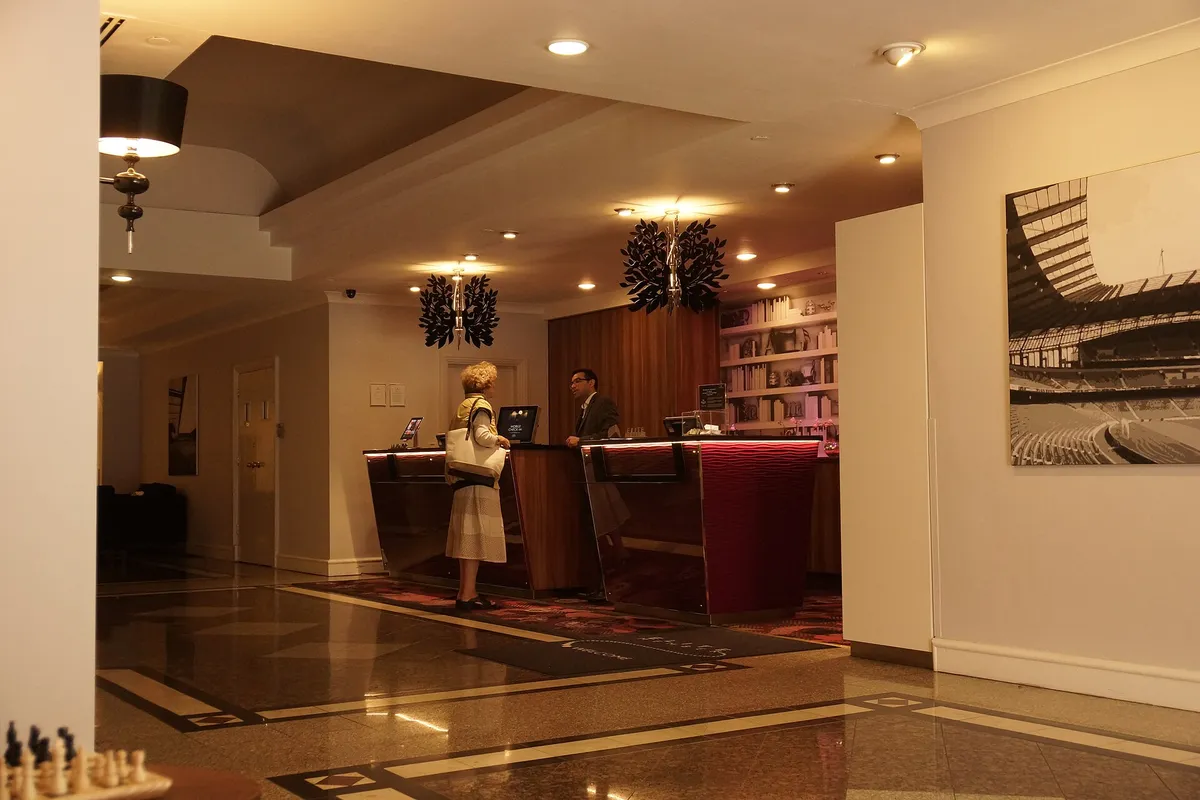
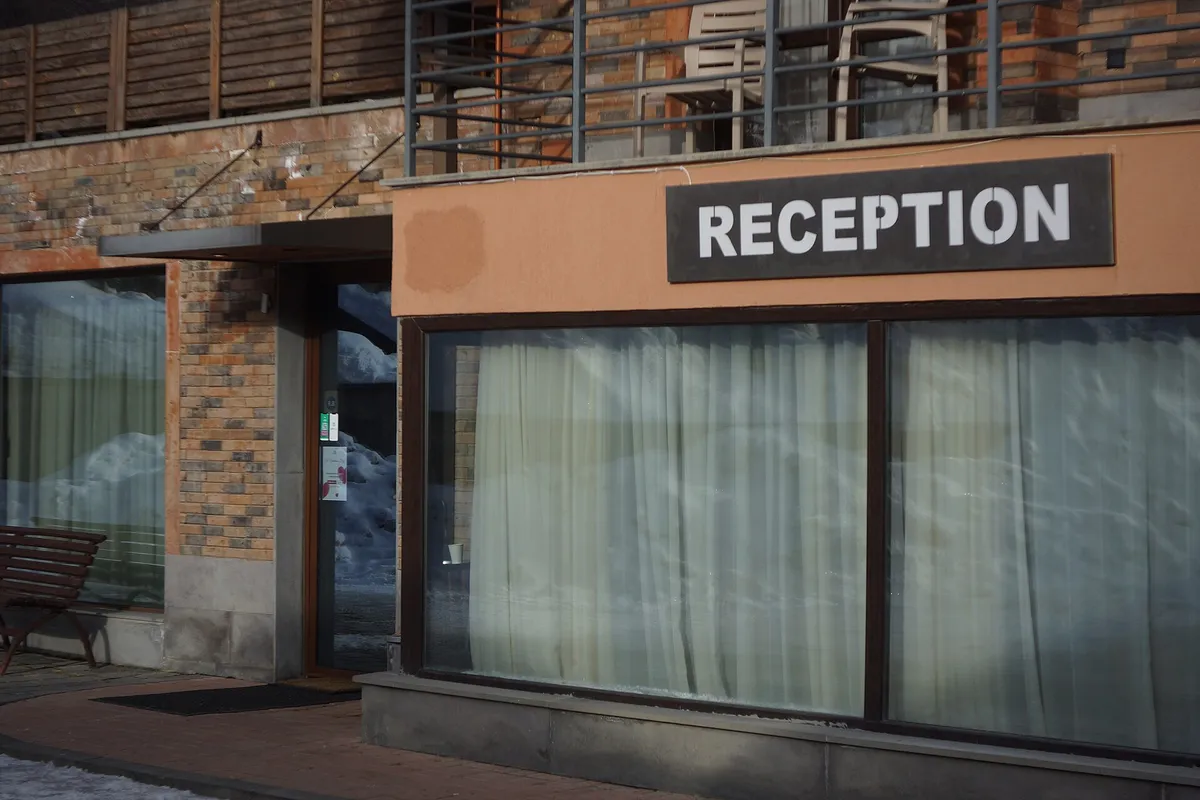
There is a specific silence at a reception desk when the person behind it stops typing, looks up, and says the hotel is full. You have a confirmation number in your hand. They have a screen that disagrees. What happens in the next ten minutes decides whether this is an anecdote or a ruined night, and almost nobody arrives prepared for it.
The industry word for it is walking a guest. Here is what is actually true about it.
Hotels oversell on purpose
Every night a share of guests do not show up. Some cancel late, some miss a flight, some simply never arrive. A hotel that sells exactly the number of rooms it has will run empty rooms it was paid nothing for, so revenue teams sell slightly more than they have and play the odds.
Most nights the maths works and nobody notices. On the nights it does not, somebody has to be told there is no room, and the choice of who is not random. The industry is fairly open about the order: the guest staying one night rather than five, on the cheapest rate, with no loyalty status, booked through a third party, arriving latest. If you are three of those five, you are the candidate.
The thing almost everyone gets wrong
There is no hotel version of the air passenger rules. Those figures you have seen, the fixed hundreds of euro for being denied boarding, come from EU Regulation 261/2004, and that regulation is about flights. It does not apply to a hotel room, in any country, in any amount.
Saying this out loud is not bad news. It just moves the argument to where it actually lives: your booking is a contract. The hotel sold you a room for a night and cannot deliver it. That is a breach, and the remedy under ordinary contract and consumer law across the EU is to be put back in the position you would have been in: an equivalent room, the extra cost covered, the transport paid. What you do not have is a fixed tariff to point at, which is exactly why what you obtain depends on what you ask for while you are still standing there.
Two situations change the picture in your favour:
- You booked a package. If the hotel came with a flight or with other services as a single trip, Directive (EU) 2015/2302 on package travel applies, and the organiser, not the hotel, owes you a remedy for the trip not matching what was sold.
- The chain has published a guarantee. Marriott, for example, publishes an Ultimate Reservation Guarantee for Bonvoy members who booked direct. Read guarantees like that carefully: they typically require the booking to have been made through the chain itself, and they typically require you to actually turn up and be turned away. A reservation cancelled by email the week before usually falls outside them.
Ten minutes at the desk
Do not leave the counter until these are settled, and settled in writing:
- An equivalent or better room, in a comparable hotel, at comparable distance. Not a cheaper category further out. If they offer worse, say so plainly and ask them to keep looking.
- Who pays the difference. If the substitute costs more, the hotel pays, and you want that stated, not implied.
- Transport to the other hotel, paid or arranged by them, not a suggestion that you take a taxi.
- The following nights. If you booked four nights, ask now whether you come back tomorrow, and who pays for moving twice.
- A written confirmation. An email from the hotel with the name of the person, the substitute hotel, and who pays what. A photograph of a handwritten note is better than nothing, and a booking reference at the other hotel is better still.
Then ask, calmly, what compensation the hotel offers for the disruption. Many will offer something because it is cheaper than a public complaint. If you booked with a chain and you are a member of its programme, name the guarantee. Nothing about this requires being unpleasant. It requires being specific.
If you have to pay out of your own pocket
Sometimes there is no negotiating, at midnight, in a city with a trade fair on. Book something reasonable, keep every receipt, and do not accept a downgrade quietly because you are tired.
Afterwards, write once and write well: the reservation number, the date, what was promised, what happened, what it cost you, and what you want. Send it to the hotel, and in parallel to the chain if there is one and to the platform you booked through. Keep it factual, attach the receipts, ask for a specific sum.
If the hotel is in another EU country and stops replying, the European Consumer Centres Network helps consumers with cross border disputes against traders inside the EU, free of charge. It is slow and it is real, which is more than can be said for arguing on a review site.
How to be the guest who is not walked
You cannot control the hotel's occupancy, but you can move yourself down the list of candidates:
- Arrive earlier on the nights that matter. Rooms are given away at the end of the evening, not at three in the afternoon.
- Tell them you are arriving late, if you are. A guaranteed late arrival on the booking is the difference between a held room and an assumed no-show. It matters most in the hours around midnight and the early morning, when a desk is deciding what to do with the last room.
- Understand what your rate signals. A prepaid, non refundable rate is money the hotel already has, and it is a worse candidate to walk than a free cancellation rate that has not been charged. This is one of the few places where the cheaper flexible rate quietly costs you something.
- Know who holds your booking. Booking direct puts you in the hotel's own system with a name attached; going through an intermediary adds a layer between you and the person at the desk. The trade offs are laid out in booking direct or through a comparison site.
- Reconfirm for anything unusual. Late arrival, a long stay, a special occasion, an accessible room. A phone call two days before costs nothing and creates a record.
And if a booking looks too cheap for the dates, check who you are actually paying before you check anything else: the patterns are in online booking scams.
The comparison that helps before any of this
Overbooking is a room problem, but it starts as a price problem: the nights hotels oversell are the nights the city is full, and those are the nights the same room costs three times what it did in March. Seeing that early is the whole point of comparing.
Compare the same hotels across platforms for the dates you actually want, and read what each rate commits the hotel to: hotels in Milan, hotels in Amsterdam or hotels in Barcelona. Then check what the desk will hold on your card when you arrive, in the hold on your card at check-in, and start from destinations if the city is still open.
Edenfinder
Paradise has a price. We find it lower.
We compare prices for the same hotels across every major booking platform, with direct links to the right page.
Search your hotel →Frequently asked questions
Is there fixed compensation like there is for flights?
No. The fixed sums you read about come from EU Regulation 261/2004, which covers flights and does not apply to hotels. What you have is a contract: the hotel has to put you back where you would have been, meaning an equivalent room, the price difference covered and the transport paid. If the hotel was part of a package, the organiser answers under Directive (EU) 2015/2302.
What should I ask for at the desk?
Five things, in writing: an equivalent or better room in a comparable hotel at comparable distance, who pays the difference, transport to get there, what happens to the following nights, and an email confirmation with the name of the person giving it. Then ask calmly what compensation they offer for the disruption.
Can being walked be avoided?
Not entirely, but you can move down the list of candidates: arrive early on full nights, flag a late arrival rather than leaving it to be guessed, know that a prepaid rate is a worse candidate to move than a flexible one that has not been charged, and reconfirm by phone anything unusual about the stay.
From the same section