Prices · August 15, 2026 · 7 min read
The hold on your card at check-in: what it is, when it clears
What the hotel blocks on your card at check-in, why it is bigger than your rate, what changes with a debit card, and when the money comes back.

You compared the price, you picked a hotel, and you thought the money question was settled. Then at the desk someone asks for a card and blocks an amount that has nothing to do with the rate you compared. Nobody explains it, the slip says nothing useful, and a week later the money is still missing from the app.
It is not a second charge. It is an authorisation, and it follows rules that are written down.
An authorisation is not a payment
When the hotel takes your card at check-in, it asks your bank to set an amount aside and confirm it is there. No money changes hands. What changes is what you can spend: on a credit card the hold eats into your available credit, on a debit card it comes straight out of the balance you are travelling on.
Visa calls this an estimated authorisation in its own guidance for merchants: a hold for a projected amount, used where the final bill is not known yet, with hotels as the textbook case alongside car rental and fuel. The same document sets out the other half of the deal. When the final amount turns out to be lower, the unused balance has to be reversed within 24 hours of the completed transaction, and lodging merchants get a long window, up to 31 days from the first approval, to close the transaction itself.
Two things follow, and they are the two worth remembering. The hotel is not meant to sit on the difference. And a reversal is a message, not a refund: it tells your bank the money is free again, and your bank decides when you see it.
Why the number is bigger than your rate
The hold covers what the hotel might be owed by the time you leave, not what you have already agreed to pay.
- Extras nobody can predict. Minibar, restaurant, spa, parking, laundry, a broken lamp. Rather than interview each guest, hotels apply a standing per night estimate.
- The room itself, when it is not prepaid. A pay at the property rate is money the hotel does not have yet, so expect room plus taxes inside the hold. A prepaid rate usually leaves only the extras.
- The charges that live outside the rate. City tax is very often collected at the desk rather than in the booking, and in the United States a resort fee lands on top of the advertised price. The European version is mapped in tourist taxes in Europe.
That is why the same 120 euro room can meet you with a 40 euro hold in one city and a 300 euro hold in another. Neither is a trick. They are different guesses about the same unknown.

Debit or credit: the difference that actually hurts
On a credit card a hold eats headroom you were probably not going to use. On a debit card it eats the money in your account, which is the money paying for the trip.
Four nights at 50 euro a night of incidental hold is 200 euro that exists but cannot be spent, and it can sit there after check-out for as long as your bank takes. If the whole trip runs on one account, that is the difference between paying for dinner and standing at the till explaining yourself.
It is also why some hotels will not take a debit card for the deposit, why others ask for cash instead, and why a few refuse to check in a guest whose card carries a different name from the booking. All of that is worth knowing before you arrive, not at midnight at the desk.
Who releases it, and when
The hotel releases the hold on its side. Your card issuer decides when the amount stops counting against you. Two clocks, and only the second one is visible to you.
In practice a hold that matches the final bill tends to clear in a day or two, a hold that does not match takes longer, and a Friday check-out can push the whole thing into the following week. Issuers routinely quote windows of up to thirty days in their terms, and that is not padding: the card rules really do give hotels a long settlement window, so the outside case is genuinely that long.
The useful move is not to argue about the timeline. It is to make the two clocks agree.
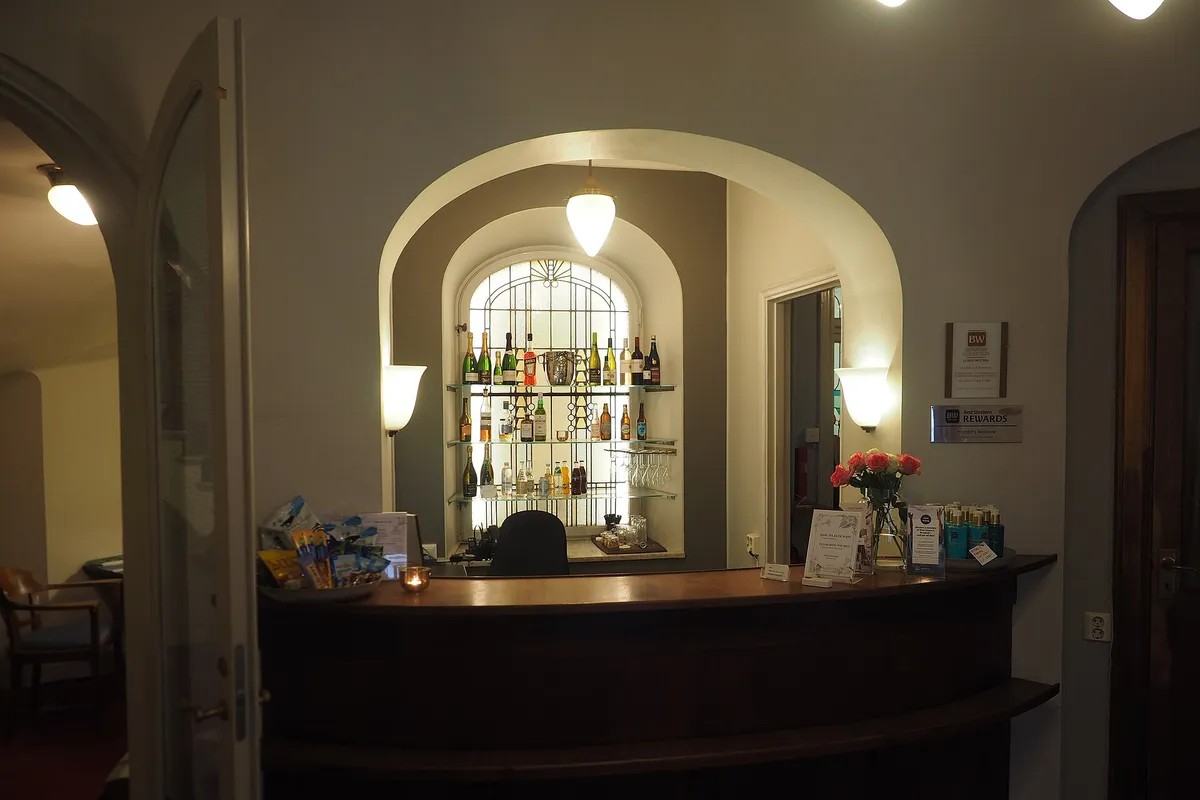
Sixty seconds at the desk
Ask before the card leaves your hand:
- How much are you holding, and what does it cover?
- Is the room already paid, or is it inside the hold?
- Is this an authorisation or a charge?
- Will it be released at check-out?
- Can I have it written on the folio?
Then at check-out ask for the final bill on paper or by email, and check that the total matches what was blocked. If the two agree, the reversal is routine. If they do not, you have found the problem while you are still standing in front of the person who can fix it.
If it does not clear
Start with the hotel, not the bank. Ask for confirmation that the authorisation was released, with the date. Then take that to your issuer, which is the party actually holding the money. Most cases end there.
If the hotel is in another EU country and stops replying, the European Consumer Centres Network handles cross border complaints between consumers and traders inside the EU, free of charge.
What this has to do with the price you compared
Comparing rates is our job, and the rate is the honest starting number. But the rate is what you pay, and the hold is what your account feels. A cheaper room that blocks 300 euro on a debit card can be the more expensive choice in a week where everything comes out of the same balance.
So compare the price, then read the two lines nobody reads: what is prepaid, and what is due at the property. A non refundable rate usually means less money blocked later, because the room is already paid. A free cancellation rate usually means more, because the hotel is still owed the room when you walk in. Neither is better in the abstract, and the honest comparison happens before you choose where to book.
When you are ready, compare the same hotels across platforms and read what each rate includes: hotels in Rome, hotels in Barcelona or hotels in New York, and start from destinations if the city is still open.
Edenfinder
Paradise has a price. We find it lower.
We compare prices for the same hotels across every major booking platform, with direct links to the right page.
Search your hotel →Frequently asked questions
Is the hold at check-in a charge?
No. It is an authorisation: the bank sets the amount aside and confirms it is there, but no money moves. On a credit card it eats into your available credit, on a debit card into your account balance, which is why a hold hurts far more on debit.
How long before it clears?
The hotel releases it on its side, usually at check-out; when the amount stops counting against you is decided by your bank. A hold that matches the final bill tends to clear in a day or two, one that does not takes longer, and card terms routinely quote windows of up to thirty days.
Can I leave a debit card or cash instead?
It depends on the hotel: some take only credit cards as a deposit, some accept cash, some require the card to be in the name of the person who booked. There is no general rule, so it is worth asking before you arrive rather than at the desk at midnight.
From the same section