Tips · August 28, 2026 · 8 min read
Hotel spa and pool: what is included and what costs extra
Spa hotel is not a category, it is a word. What access actually covers, the fees that are not the tourist tax, and the questions to ask first.
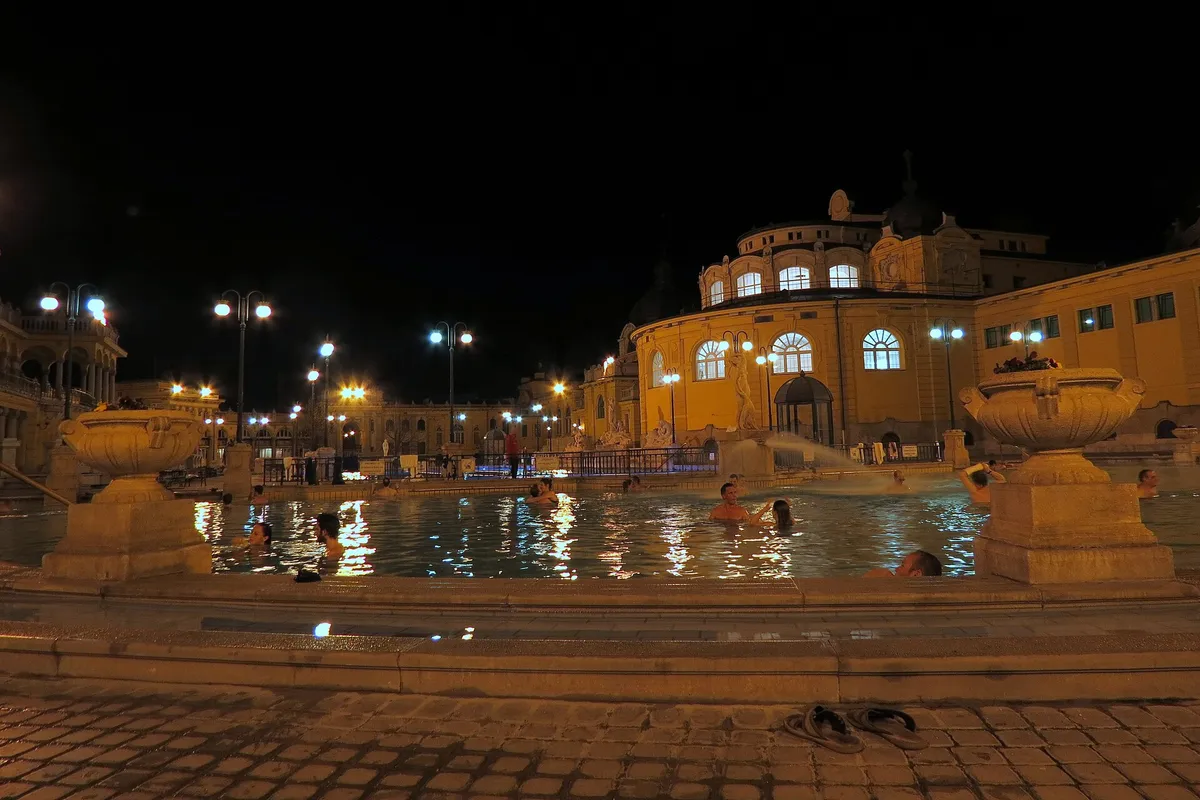
The filter says spa. The photograph shows a lit pool with nobody in it. Between those two things sit about eight decisions the hotel has already made and has not told you about: who can use it, when, at what extra cost, and whether the water is heated in February.
None of this is deception. Spa is a marketing word, not a defined category, and it covers everything from a sauna in a converted cellar to a thermal complex with its own spring.
What the word covers, in practice
Four different things get sold under the same label.
- A wellness corner. A sauna, sometimes a steam room, a couple of loungers. Often free for guests. Frequently one room shared by the whole hotel, which matters at six in the evening when everyone comes off the slopes.
- A spa proper. Indoor pool, sauna world, relaxation area, treatment rooms. Access may be included or may carry a daily charge.
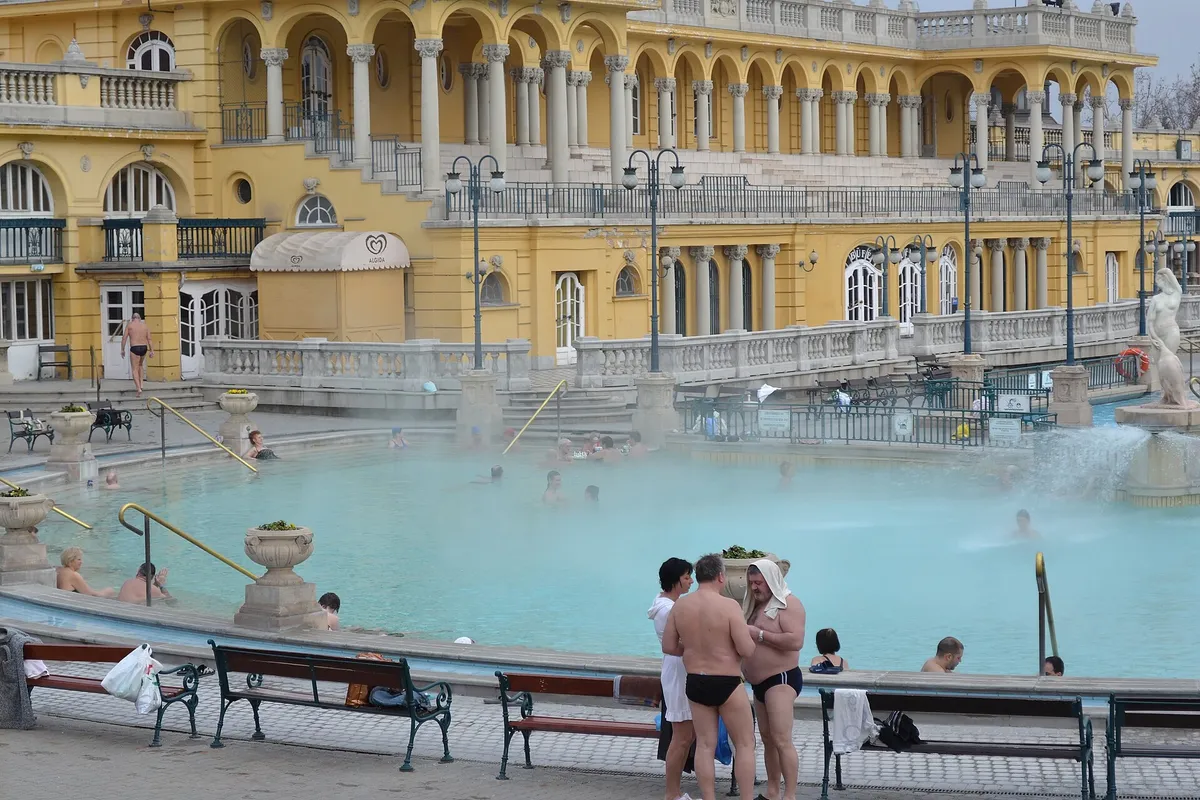
- A thermal establishment. Natural mineral water, often regulated and often with its own separate ticket, even for hotel guests. This is the norm in the classic thermal towns, and around Budapest it can mean the bath is a public institution the hotel simply stands next to.
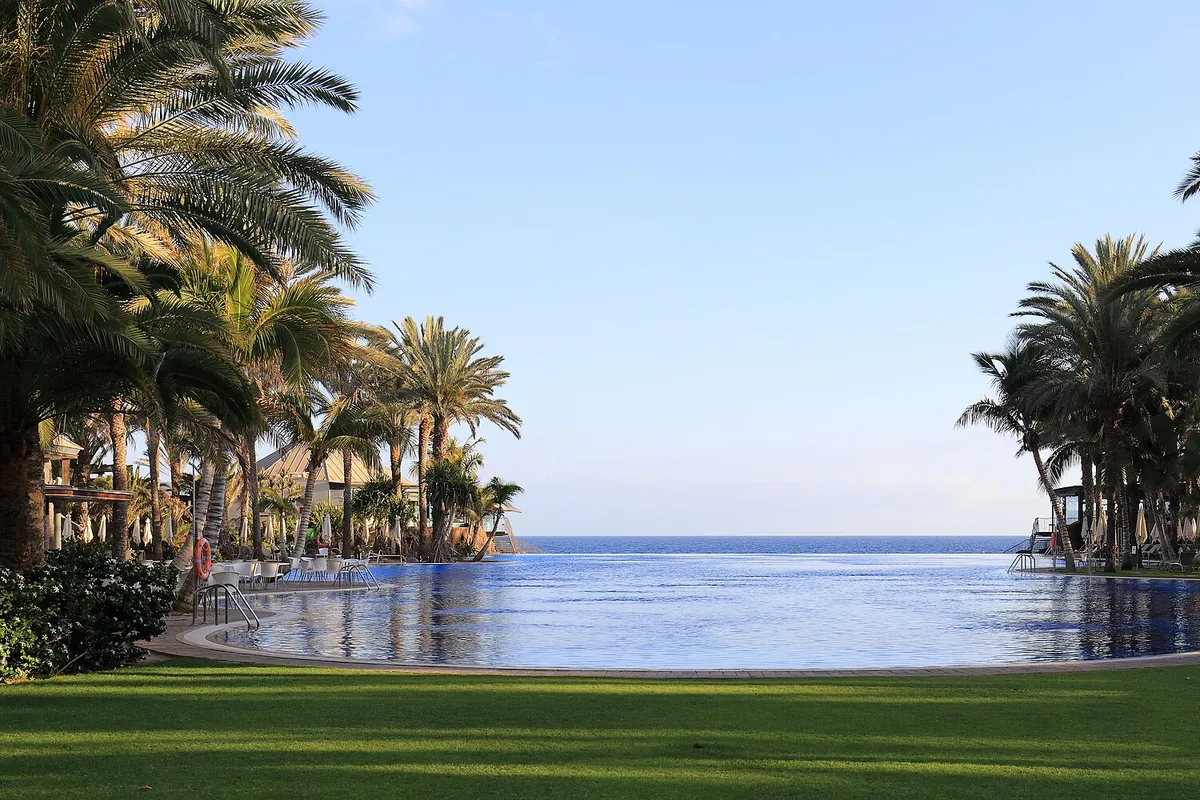
- A pool. Which tells you nothing about whether it is heated, indoor, open in winter, or 12 metres long.
The star rating does not settle this. A star certifies the presence of facilities against a national catalogue, not their size or their quality, which is the whole argument of what a hotel star actually certifies.
The charges that are not the tourist tax
Three separate lines get confused with each other constantly, and only one of them is a tax.
The tourist tax is set by the municipality, charged per person per night, and goes to the town. It exists whether or not you swim. It varies by country and is mapped in tourist taxes in Europe.
A spa or wellness fee is the hotel's own charge for access to the facilities, often per person per day. It is common in the Alps and in Italian thermal areas. It is not a tax, it is a price, and it is negotiable in the sense that some rates include it and some do not.
A resort fee, mostly in the United States, is a mandatory daily charge that typically bundles pool and gym access, wifi and a few other things you may not use. It sits on top of the advertised room price, and it is the subject of resort fees and tourist tax.
Add all three to a four night stay for two and the pool you thought was free has a number attached to it.
The six questions that decide whether the spa is usable
Ask before booking, not at check-in.
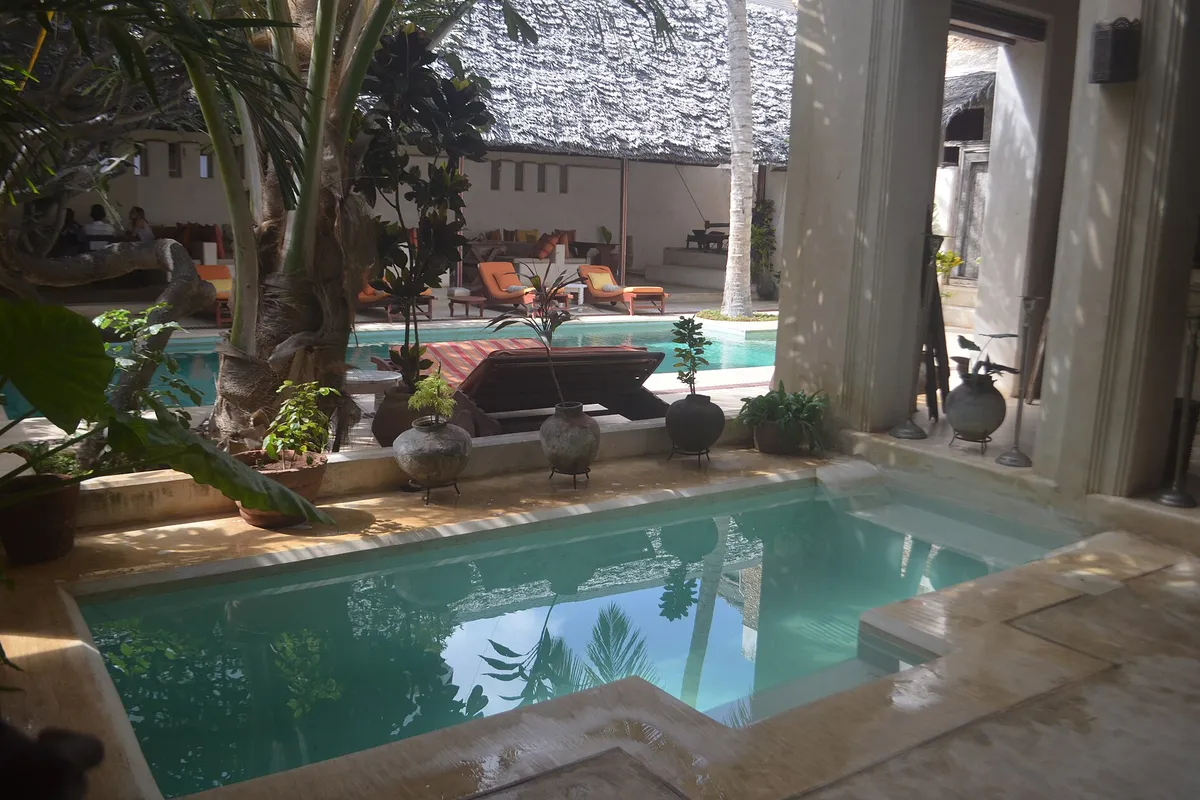
1. Is access included in my rate, and for how many people? Some rates include one adult, not the room. 2. What are the opening hours, and the last entry? A spa that closes at 19:00 is unusable if you are out all day. 3. Are there children's hours, and adults-only hours? Both exist, and they are the single most common cause of a disappointed stay in either direction. Families should read what to ask when booking with kids; couples should ask the same question with the opposite intention. 4. Is the pool heated, and is it indoor? In the shoulder months an unheated outdoor pool is a photograph, not a facility. 5. Do day guests use it? Many hotels sell day passes. It is how a quiet spa becomes a busy one on a Saturday, and the hotel will tell you if you ask. 6. How far ahead do treatments book? In small hotels the two treatment rooms are the bottleneck and they fill weeks out, not days.
Ask by email so the answers exist in writing, which is the same discipline that matters when something goes wrong at the desk.
A cultural note worth knowing before you open the door
In Germany, Austria and much of Switzerland, hotel and public saunas are traditionally used without swimwear, for hygiene reasons, and mixed sex. This is entirely normal there and regularly astonishes visitors who arrive expecting the opposite. Many houses now run designated textile hours or textile days alongside the traditional ones.
There is no right answer here, only an expectation to check. Whichever you prefer, the hotel will state its rule if you ask, and finding out on the second evening is worse than finding out in September.
Reading the reviews for this specifically
Guest scores are useless as a single number on this topic and excellent when filtered. Search the reviews for the words that carry the complaints: crowded, closed, renovation, cold, small, extra charge. A spa that scores well overall and has four recent reviews saying the sauna was closed for maintenance is telling you something the average never will. The method is in how to read hotel reviews.
And check the dates on the photographs, which is harder but sometimes decisive: a facility photographed once at opening and never again is a facility nobody has bothered to update.
If the spa is the point of the trip
Two practical routes people miss.
The first is not staying at all. Most city spas and many hotel spas sell day access, and in a city where you already have a room, buying a spa afternoon separately is often cheaper and better than paying for the hotel that owns one. The same logic as day use hotels, applied to the water instead of the bed.
The second is season. Thermal and wellness demand peaks exactly when the weather is worst, which is also when city hotels are cheapest. A November or January weekend in a thermal city is one of the few things in travel that is both better and cheaper off season, unlike the December holidays, where the mechanics are the opposite and are explained in New Year's Eve hotels.
Good starting points, each with the thermal or spa tradition to back the word up: Budapest, Vienna, Munich and Prague. Then compare the same hotels across platforms for your dates: hotels in Budapest, hotels in Munich, or open destinations. And if what you are really chasing is warmth rather than steam, the December numbers are in where it is actually warm in December.
Edenfinder
Paradise has a price. We find it lower.
We compare prices for the same hotels across every major booking platform, with direct links to the right page.
Search your hotel →Frequently asked questions
Is spa access included in the rate?
It depends on the rate, and it is worth asking first. Some rates include one adult rather than the room. Be careful not to confuse three separate lines: the tourist tax is set by the municipality and is payable regardless; a spa or wellness fee is the hotel’s own charge for access, often per person per day; a resort fee, typical of the United States, is a mandatory daily charge bundling pool, gym and more.
Are saunas in Germany and Austria used without swimwear?
Yes, traditionally: in hotel and public saunas, use without swimwear, and mixed sex, is the norm for hygiene reasons, and it regularly surprises visitors expecting the opposite. Many houses now run textile hours or textile days alongside. There is no right answer, only a house rule, and it is worth asking before booking.
What should I ask before booking a hotel with a spa?
Six things: whether access is included and for how many people, the opening hours and last entry, whether there are children’s hours and adults only hours, whether the pool is heated and indoor, whether day guests use it, and how far ahead treatments book. Ask by email so the answers stay in writing.
From the same section