Destinations · August 2, 2026 · 8 min read
Where to stay in Naples: an honest area guide
Where to stay in Naples: historic centre, Quartieri Spagnoli, Chiaia, Vomero and the seafront, with real walking times, price ranges and the tourist tax.
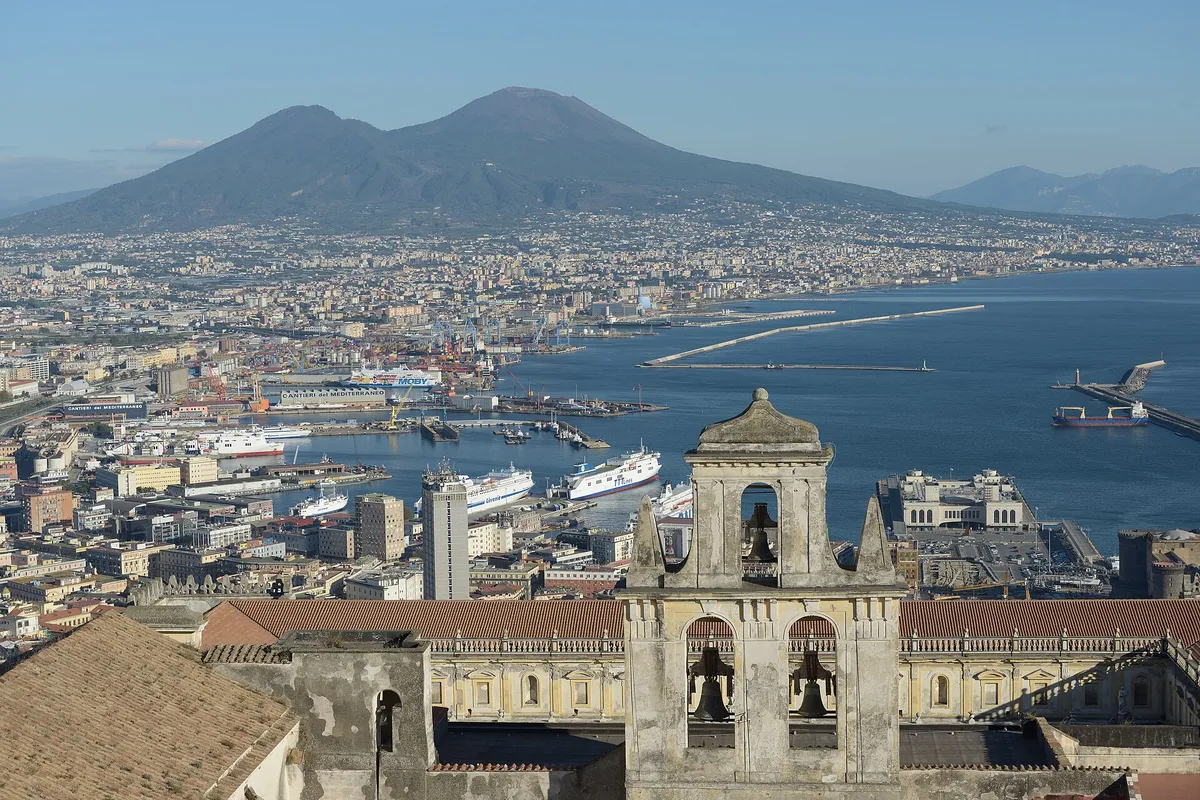
Where to stay in Naples matters more than in almost any other Italian city: the neighbourhood does not just change your walking times, it changes the trip you end up having. Naples is dense and vertical, loud in the right places and surprisingly quiet two hundred metres away. A room on the seafront and a room in the Decumani are not two prices, they are two different holidays.
No tired slogans about safety here, only measurable things: night noise, hills, stairs without a lift, the real distance to a metro station and true travel times to the ruins.
How to pick the right neighbourhood before you look at hotels
Three honest questions, before you open any list of properties.
- How much noise can you take? In the historic centre the evening runs late in the street, between outdoor tables, scooters and voices. Light sleeper? Change area, or ask for a courtyard-facing room.
- How heavy is your luggage? In the Quartieri Spagnoli and much of the old centre there are buildings with no lift, steep stairs, uneven cobbles and lanes where a taxi cannot reach the door.
- Is Naples the destination or the base? If your plan includes Pompeii, Herculaneum, the coast and the islands, being near the station or the port beats having a view.
First visit and you want one answer: the historic centre or Toledo to be inside the city, Chiaia to sleep well and still walk everywhere. The general method is in how to choose the right hotel neighbourhood; if the city itself is still open, start from the destinations hub.
Where to stay in Naples, neighbourhood by neighbourhood
The historic centre and the Decumani
The ancient core: the Greek and Roman grid of Spaccanapoli, Via dei Tribunali and Via San Gregorio Armeno, with the cathedral, the Cappella Sansevero, Santa Chiara and the tunnels underneath. You step out of the door and you are already in the scene; Piazza Bellini and the Tribunali pizzerias run late. Dante and Museo on Line 1 are usually 5 to 10 minutes on foot, and Dante to Toledo is one stop. Best for: first-timers and anyone who wants everything walkable. Against: real noise, few lifts, no place for heavy suitcases. Indicative range: usually 60 to 130 euros a night for a mid-range double.
Quartieri Spagnoli
The grid of lanes climbing behind Via Toledo, laid out in the sixteenth century for Spanish garrisons and now full of small guesthouses, workshops and murals. Central and vertical: many streets are uphill or stepped, the paving is old lava cobble, and two large suitcases will make you suffer. Toledo metro and Piazza del Plebiscito are minutes away. Best for: travellers who want to live inside the neighbourhood and do not mind the noise. Indicative range: often 55 to 120 euros for a double, below the city average.
Chiaia and the Riviera di Chiaia
The elegant quarter: Via dei Mille and Via Filangieri, Piazza dei Martiri, nineteenth century palazzi, the Villa Comunale gardens running down to the sea. It is the calmest of the genuinely central areas, with the best density of restaurants and bars. Piazza dei Martiri to Piazza del Plebiscito is a 12 to 15 minute walk; Line 2 stops at Amedeo and the Chiaia funicular climbs to Vomero in minutes. Best for: couples, travellers with parents, anyone who wants to sleep without earplugs. Indicative range: usually 90 to 200 euros.
The Lungomare and Mergellina
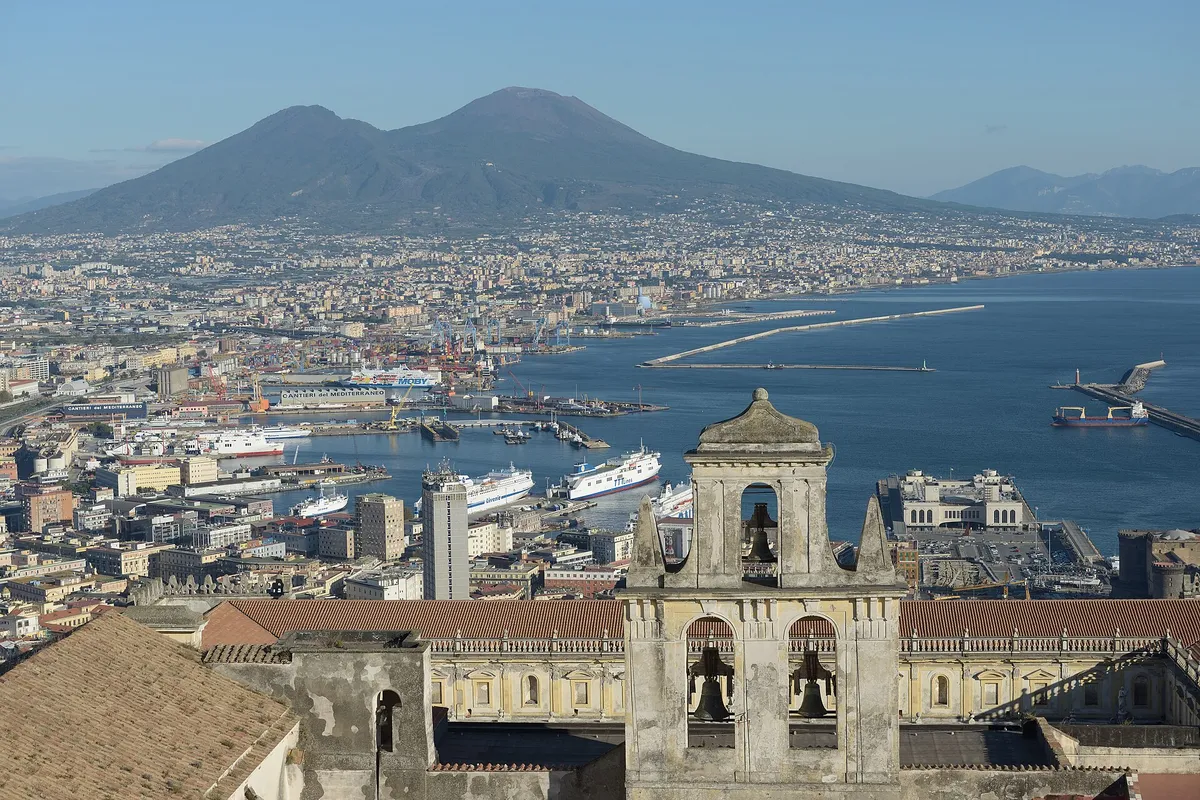
The pedestrian stretch of Via Caracciolo, from Castel dell'Ovo to Mergellina, is an uninterrupted walk along the gulf with Vesuvius in front of you: about 2.5 kilometres, a good half hour unhurried. Mergellina has its own small harbour, a Line 2 station and hydrofoils to the islands. You are slightly off the museum axis, but you gain the view and real quiet early. Best for: walkers and runners who want the sea under the window. Indicative range: very wide, from small hotels around 70 euros to sea-view properties past 250 euros.
Vomero
The hill quarter, residential and orderly, with pedestrian Via Scarlatti, Castel Sant'Elmo and the Certosa di San Martino over the bay. You breathe, you sleep, and restaurant bills drop. Three funiculars and metro Line 1 tie it to the centre: Vanvitelli to Toledo takes under ten minutes. One caveat: the funiculars close in the evening and have scheduled maintenance, so check the day's service on ANM. Best for: families and longer stays. Indicative range: often 70 to 150 euros.
Santa Lucia and Borgo Marinari
The city's historic hotel district, facing Castel dell'Ovo and the old fishermen's islet, now full of restaurants and moored boats. Piazza del Plebiscito is about ten minutes on foot and the promenade starts at your door. No metro stop right there: you walk to Toledo in fifteen or twenty minutes, or take a bus. Best for: travellers who want the postcard and classic hotel service. Indicative range: four and five star territory, usually 150 to 400 euros, with a big gap between an internal room and a sea-view one.

Napoli Centrale and Piazza Garibaldi
The most practical area and the least pleasant to live in. High-speed trains to Rome, Line 1, Line 2, the Circumvesuviana for Pompeii and Herculaneum and the Alibus to Capodichino airport all converge here. Built your trip around day trips? Sleeping here buys you an hour a day. In exchange: a busy square, little charm, emptier streets at night. Choose the street carefully, read recent reviews and favour a staffed entrance. Indicative range: the lowest in the city, often 45 to 95 euros.
Posillipo
The panoramic hill to the west: villas, paths dropping to the water, Marechiaro and the Parco Virgiliano. Beautiful and far, because without a car you depend on the coastal buses and the centre can be over half an hour away in traffic. It suits a relaxed holiday rather than a city break, or an arrival by car with parking. Indicative range: very variable, from apartments around 90 euros to pool-and-view properties past 250 euros.
To see what is free on your dates, compare live hotel prices in Naples and filter by area: the fastest way to price the view against the convenience.
What it costs to stay in Naples: indicative ranges
These are ranges, not promises: rates move day to day, as we explain in dynamic hotel pricing.
- Station and Piazza Garibaldi: 45 to 95 euros for a double.
- Quartieri Spagnoli: 55 to 120 euros.
- Historic centre and Decumani: 60 to 130 euros.
- Vomero: 70 to 150 euros.
- Chiaia: 90 to 200 euros.
- Santa Lucia and the seafront: 150 to 400 euros.
- Espresso at the counter: around 1.20 to 1.50 euros. A margherita in a historic pizzeria: roughly 5 to 9 euros. A single transport ticket: a few euros, current fare on ANM.
The dearest windows: the late October break, the December weeks of San Gregorio Armeno, New Year and spring. On timing, see when to book a hotel.
Naples as a base: Pompeii, Herculaneum, the coast and the islands
- Pompeii: EAV Circumvesuviana, Sorrento line, stop Pompei Scavi Villa dei Misteri, roughly 35 to 40 minutes from Porta Nolana or Garibaldi. A separate Trenitalia service reaches Pompei station in the modern town, at a different entrance. Tickets on the Pompeii Archaeological Park site.
- Herculaneum: same line, stop Ercolano Scavi, about 20 minutes, then ten minutes downhill on foot. Details from the Herculaneum Archaeological Park.
- Vesuvius: buses climb from Ercolano Scavi; crater access is booked online and closes in bad weather.
- Sorrento and the Amalfi Coast: Sorrento is the end of the Circumvesuviana line, a little over an hour, then buses or seasonal ferries to Positano and Amalfi.
- Capri, Ischia and Procida: hydrofoils from Molo Beverello, generally 40 to 60 minutes; car ferries from Calata Porta di Massa cost less and take longer.
Timetables and fares change with the season, so check EAV and the operators before planning a day. In practice: two or more excursions and you want to sleep between the station and the historic centre; in the city, what counts is the walk to Line 1.
When to go, looking at autumn and winter 2026-27
- September and October: probably the best window, with warm sea, good light and gentler rates than spring.
- November: wetter, but the cheapest month to see Naples as Neapolitans live it. Wet cobbles are slippery, so bring the right shoes.
- December: San Gregorio Armeno is impassable at weekends and prices climb around the holidays. Come midweek if the nativity workshops are the point.
- January and February: the lowest band of the year, often clear days and empty museums.
- April, May and June: perfect weather and heavy demand, so book ahead.
- August: heavy heat, and many historic trattorias and pizzerias close for the summer break, especially mid-month. Avoid it if you can choose. For quieter alternatives, see overtourism and alternative destinations.
The tourist tax is paid on the spot
Naples charges a municipal tourist tax, settled at the property on check-in and never included in the online price. It depends on the category and the rate, and applies for a maximum number of consecutive nights. Rates have been revised in recent years, so do not trust forum figures: the source is the Comune di Napoli site. On why such items stay out of the headline total, see resort fees and tourist taxes.
Where the pizza is actually made properly
You do not need a list of names, you need to know where to look. Via dei Tribunali and Port'Alba hold the historic pizzerias of the centre, queue included. Towards Sanità and Materdei the ovens work mainly for the neighbourhood, and out in Fuorigrotta sit the more technical places enthusiasts travel for. A practical rule: if the menu translated into five languages is propped on the pavement and someone waves you in, you are paying for the location. A margherita in a serious pizzeria costs 5 to 9 euros, and that low price is the norm, not a warning.
How to read reviews that mention noise
- Sort by date and search the words "noise", "scooters", "window", "courtyard".
- A property that answers a noise complaint in detail, explaining which rooms face the courtyard, is telling you the truth about the building.
- One bad review on an otherwise solid hotel often describes a single room.
- Booking in the historic centre? Message the property and ask for a courtyard-facing room on a high floor: it costs nothing and it changes the night.
- Be wary of glowing reviews with no concrete detail: the full method is in how to read hotel reviews.
While your dates are far off, a free-cancellation rate leaves room to change your mind about the neighbourhood.
Frequently asked questions
Which is the best area for a first visit? The historic centre if you want to be inside the city and accept the noise, Chiaia if you want central and quiet. Both are walkable.
Is Naples dangerous at night? The rules of any large port city apply: mind your phone and bag in crowds and around the station. The useful criterion is the street itself, whether it is lit, lived-in and has shops open.
Do I need a car? No. In the centre it is a problem rather than a solution, between restricted traffic zones, expensive parking and narrow lanes. You only need one for Posillipo or to drive the coast yourself.
How many nights? Three minimum for the city, five to add Pompeii and an island without rushing.
Once you have picked the area, compare live prices in Naples on Edenfinder. Edenfinder is a comparison tool and a technical intermediary: it shows the rates available at that moment, and if you book, the transaction is handled by Nuitee as merchant of record.
Edenfinder
Paradise has a price. We find it lower.
We compare prices for the same hotels across every major booking platform, with direct links to the right page.
Search your hotel →Frequently asked questions
Which is the best area for a first visit?
The historic centre if you want to be inside the city and accept the noise, Chiaia if you want central and quiet. Both are walkable.
Is Naples dangerous at night?
The rules of any large port city apply: mind your phone and bag in crowds and around the station. The useful criterion is the street itself, whether it is lit, lived-in and has shops open.
Do I need a car?
No. In the centre it is a problem rather than a solution, between restricted traffic zones, expensive parking and narrow lanes. You only need one for Posillipo or to drive the coast yourself.
How many nights?
Three minimum for the city, five to add Pompeii and an island without rushing.
From the same section