Destinations · July 31, 2026 · 8 min read
Overtourism: the smarter alternatives to Europe’s most crowded cities
Venice charges entry, Barcelona protests, Santorini overflows: where to find the same beauty with half the crowds and fairer prices — with concrete alternatives.
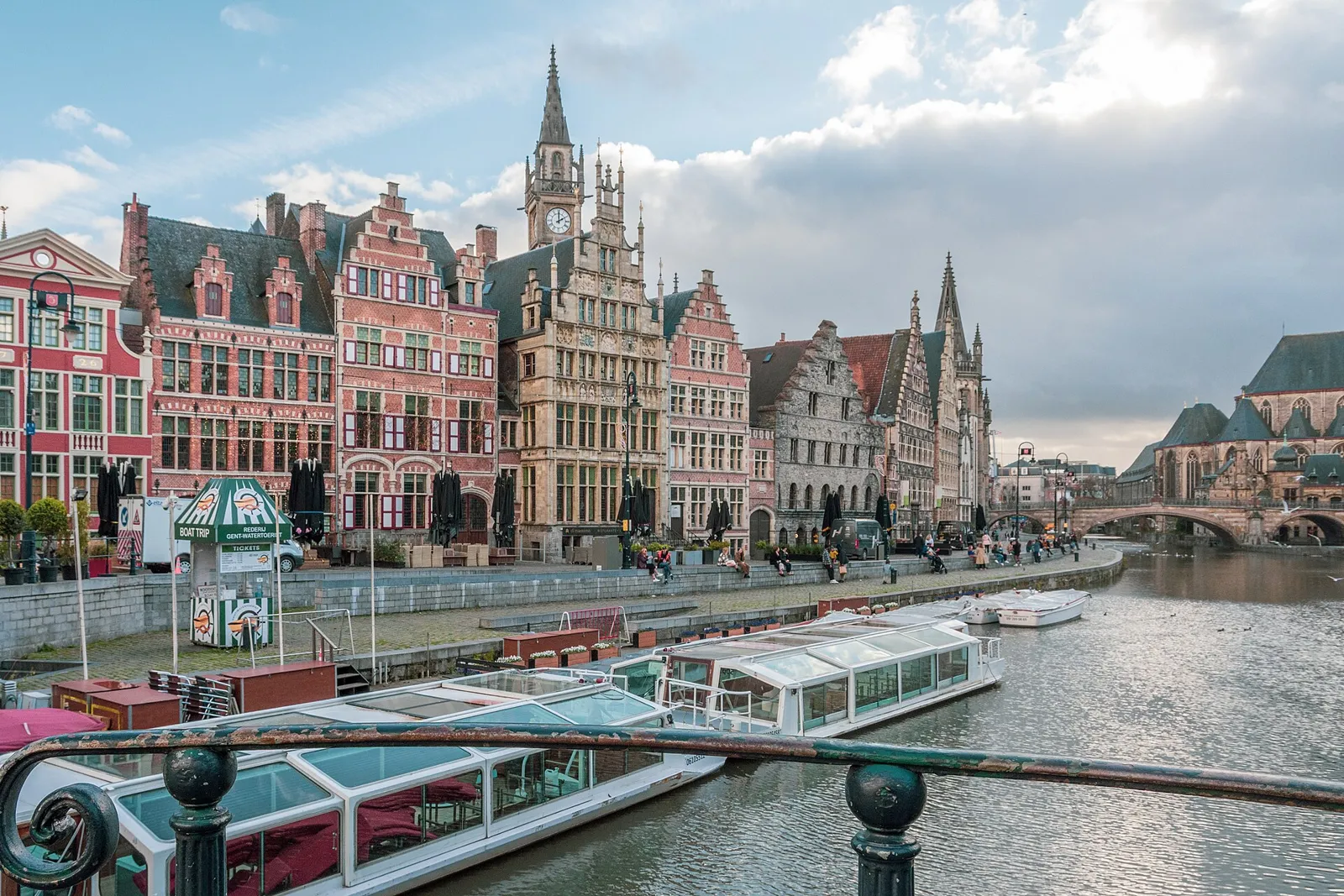
Venice has introduced an entry ticket for day visitors, Barcelona has seen marches against mass tourism, Amsterdam stopped advertising itself, and Santorini in summer counts more tourists in a day than residents in a year. Overtourism is no longer an industry debate: you can see it in the queues, on the bill and in the quality of the trip. The good news is that Europe is full of places offering the same substance — canals, old towns, coastlines — with half the crowds and more honest prices.
Why this pays off for you, not just for the cities
Crowds cost you twice
In saturated destinations you pay the demand premium (dearer rooms for the same quality) and you pay in experience: queues, restaurants that no longer need to earn your custom, old towns that empty at ten in the evening because nobody lives there any more.
The second city is often the first choice
The most reliable pattern in European travel: a country's "second city" offers 80-90% of the first one's beauty with a fraction of the visitors. It is not a compromise — it is often a straight upgrade: more authenticity, more residents, local-market prices instead of tourist-market ones.
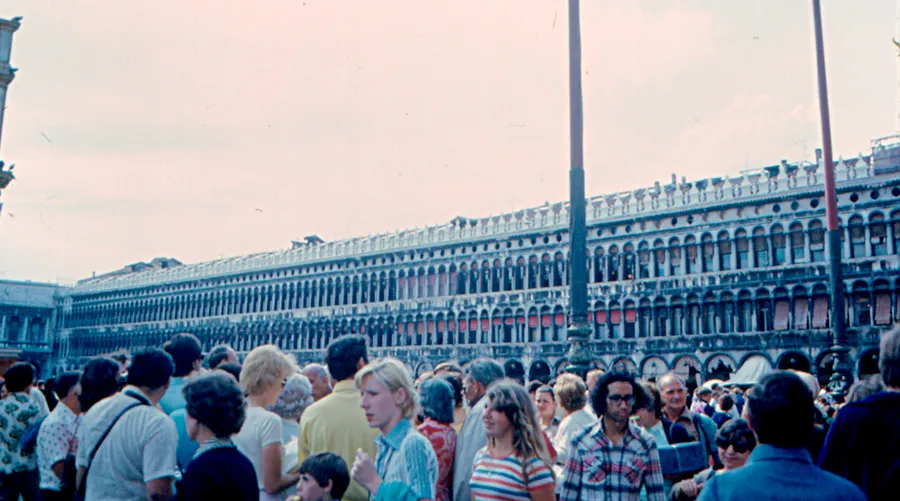
The alternatives, concretely
If you love canals (Venice, Amsterdam, Bruges)
- Ghent, Belgium: Bruges' canals and gothic façades, but with a real university city around them. In the evening the bars fill with locals, not groups. Our where-to-stay guide for Ghent covers the neighbourhoods.
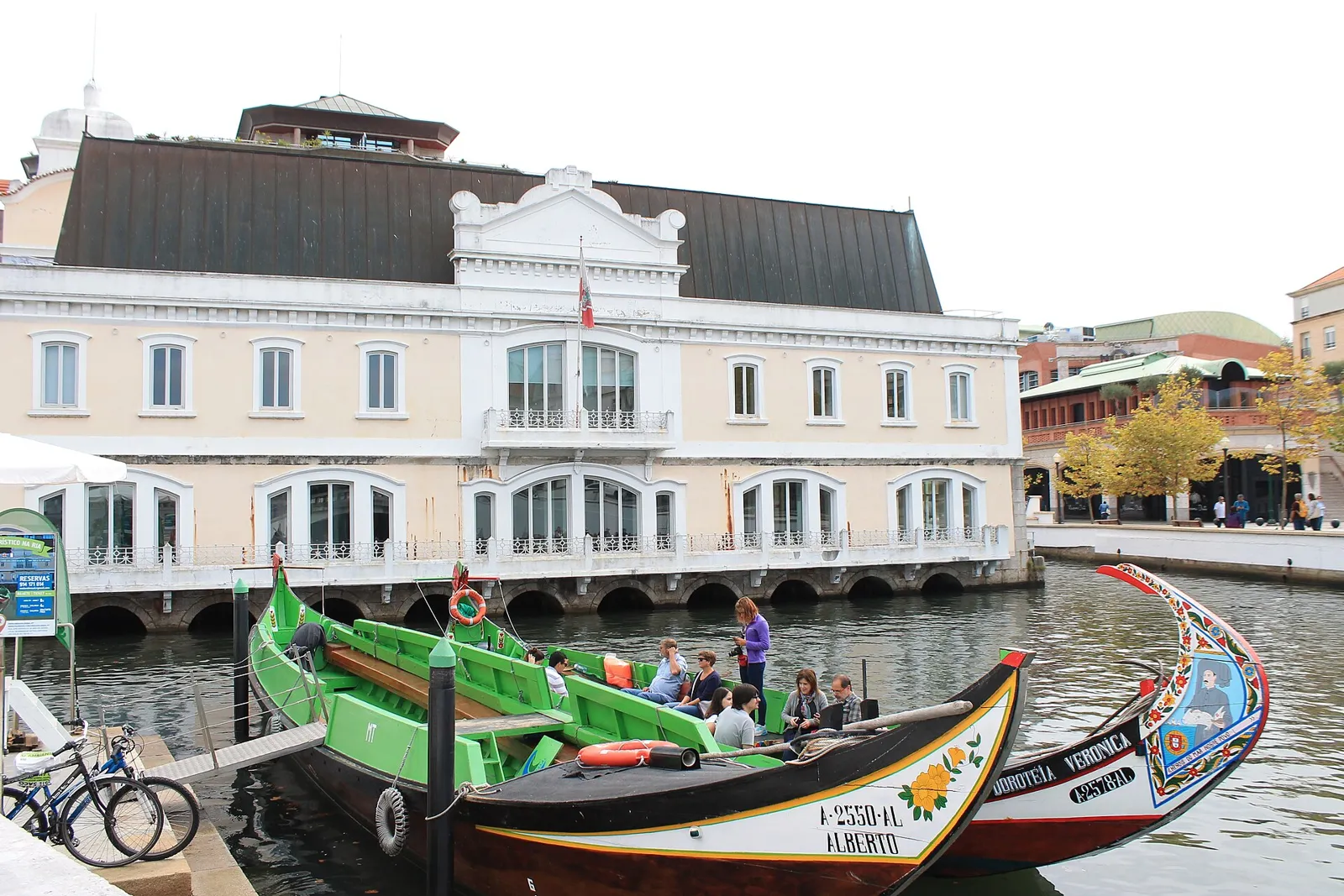
- Aveiro, Portugal: canals, colourful moliceiro boats and the Atlantic ten minutes away — at Portuguese prices. Here is where to stay in Aveiro.
- Trieste, Italy: no canals, but the sea in the city, Habsburg cafés and zero postcard crowds: where to stay in Trieste.
If you love postcard old towns (Prague, Dubrovnik)
- Cesky Krumlov, Czechia: a miniature Prague wrapped in a river bend — in the evening, when the coaches leave, it is yours: where to stay in Cesky Krumlov.
- Plovdiv, Bulgaria: a Roman theatre, pastel Ottoman houses and a genuine creative scene, at prices western Europe has forgotten: where to stay in Plovdiv.
- Matera, Italy: the Sassi instead of Dubrovnik's walls — UNESCO heritage, no cruise ships: where to stay in Matera.
If you love the Mediterranean coast (Santorini, Amalfi, Cinque Terre)
- Ronda, Spain: no sea, but Andalusia's most photogenic gorge and inland prices: where to stay in Ronda.
- Piran, Slovenia: a miniature Venetian Amalfi on the Adriatic, where you can park and breathe: where to stay in Piran.
- Girona, Spain: the perfect base for the Costa Brava without sleeping on the Costa Brava: where to stay in Girona.
If you still want the famous one
Nobody is banning Venice — the point is when and how.
Go off season, sleep in the city
- The November or February version of Venice, Florence or Dubrovnik is another city: same stone, no crush, rooms at half price.
- Sleeping IN the city (not on the mainland) flips the experience: the worst hours belong to day-trippers; early morning and evening, the city returns to its overnight guests.
Pick the right neighbourhood
In Venice, Cannaregio and Castello still live; in Barcelona, Gràcia breathes while the Rambla suffocates. Our neighbourhood-choice guide explains the method.
Your anti-crowd checklist
- Ask what you are really after (canals? old town? coast?) and find who offers it without the crowds.
- Consider the "second city" of the country that attracts you.
- If you choose the famous one: off season, sleep inside it, residential quarter.
- Compare prices: the gap between saturated and alternative often funds an extra night.
- Book small alternatives early: they have few hotels, and the best sell out first.
Good to know
Does overtourism affect hotel prices too? Yes: in saturated destinations demand outstrips supply for whole months and rates climb at equal quality. Alternatives price for local demand.
Are alternative destinations harder to reach? Sometimes they cost one extra train or drive, but often not: Ghent is half an hour from Brussels, Girona has a low-cost airport, Aveiro sits on the Porto-Lisbon line.
Does this hold for weekends? Weekends are exactly when the difference shows most: famous spots fill with day trips, alternatives stay livable.
How do I find hotels in these smaller cities? Our "where to stay" guides cover Europe's best alternatives, with real areas and hotels. And on Edenfinder you can search any city and compare platform prices in one go.
Don't hotels close off season? In cities (unlike islands) almost never: alternative old towns live year-round, and November or March often offer the best value for money.
Beauty has not run out — it is just better distributed than the postcards suggest. Pick your alternative and search hotels for your dates.
Edenfinder
Paradise has a price. We find it lower.
We compare prices for the same hotels across every major booking platform, with direct links to the right page.
Search your hotel →Frequently asked questions
Are alternative destinations really cheaper?
Generally yes, at equal category: in saturated destinations demand outstrips supply for months and rates climb. Alternative cities price on local demand, and the difference often funds an extra night of travel.
How do I pick the right alternative for me?
Start from what you love about the famous place — canals, old town, coast — and find who offers the same character without the crowds: Ghent or Aveiro for canals, Cesky Krumlov or Matera for old towns, Piran or Girona for the coast.
What if I still want Venice or Barcelona?
Go off season, sleep inside the city and pick a residential quarter: the worst hours belong to day-trippers, and overnight guests get the early mornings and evenings without the crush.
From the same section
Destinations