Tips · August 2, 2026 · 8 min read
ETIAS and the EU entry exit system: what to know
ETIAS and the EU entry exit system explained: who needs what, the expected 20 euro fee, what changes at the border and where to check official dates.

ETIAS and the EU entry exit system are the two changes reshaping how travellers reach Europe, and the first thing to sort out is that they are not the same thing. One is an authorisation you apply for online before you leave. The other is an automatic registration that happens to you at the border. They cover different people, cost different amounts and start at different times.
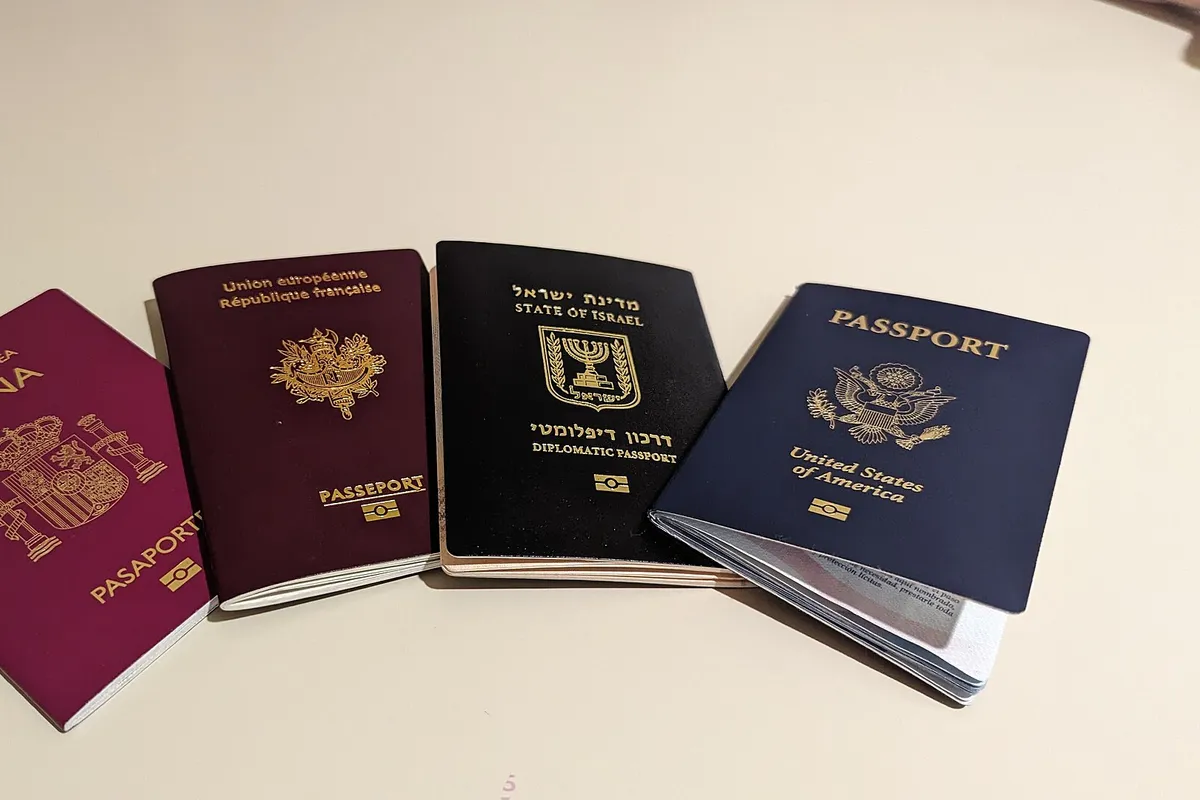
If you hold a passport from an EU or Schengen country, the short answer is that neither applies to you. You cross the border exactly as before. Everyone else, and that includes British, American, Canadian, Australian and Japanese passports, is in scope for both.
This guide sets out who has to do what, what changes at passport control and how it fits with the 90 days in 180 rule. Official dates and fees come from the European Commission, so check the official EU travel portal before you fly.
Who has to do what: the two minute answer
- EU or Schengen passport (Ireland aside, plus Switzerland, Norway, Iceland): no ETIAS, no EES registration. Nothing to apply for, nothing to pay.
- Visa exempt third country passport (UK, US, Canada, Australia, Japan, South Korea, Brazil and similar): both apply to you. EES registers you at the border; ETIAS is the one you apply for online, once the system goes live.
- Third country passport that needs a Schengen visa: the visa process is unchanged and ETIAS does not apply, but you still go through EES registration at the border.
- Residence permit or long stay visa holders in a Schengen country: outside EES for stays covered by that permit, and no ETIAS needed.
One clarification that removes half the confusion: ETIAS is not a visa and it is not a document you show at the gate. It is an electronic authorisation linked to your passport number, checked by the airline and by border officers when they scan the passport.
What is the EES and why the passport stamp is disappearing
EES stands for Entry/Exit System. It records every crossing of the Schengen external border by third country nationals on short stays. Instead of an inked stamp, the system stores your name, document details, the date and place of entry and exit, and two biometrics: a facial image and fingerprints.
It began rolling out progressively from 12 October 2025, with full operation expected by 10 April 2026. By the time you read this it is live at airports, ports and land crossings across the area.
What changes in practice
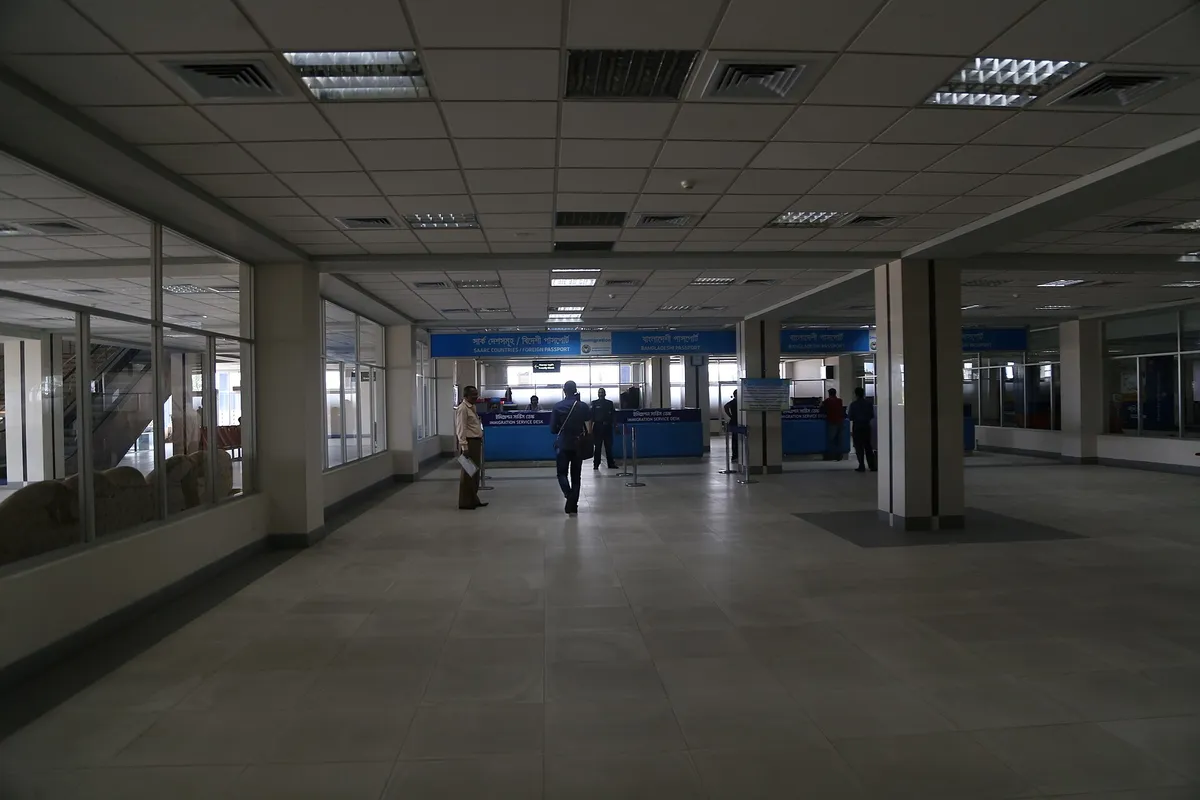
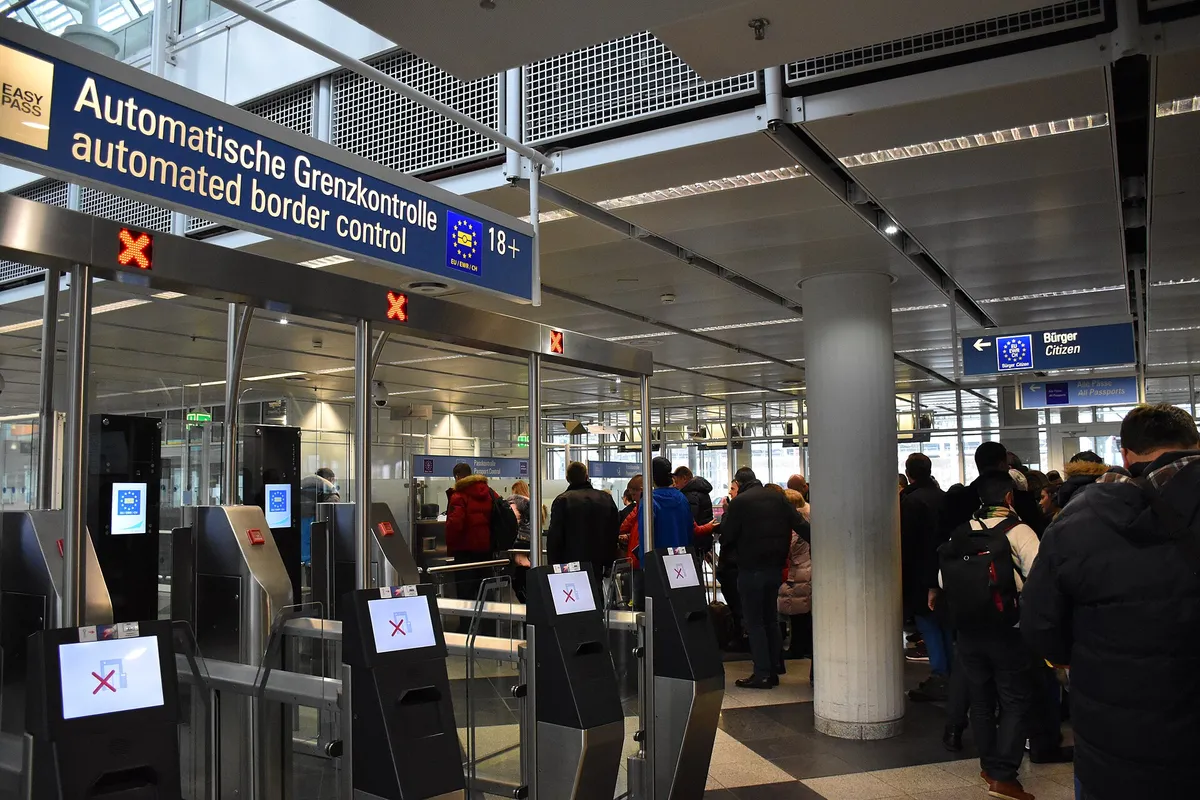
- Your first crossing takes longer. Initial enrolment means a facial image and fingerprints, usually at a self service kiosk before the booth, or at the officer's desk.
- Later crossings are quicker, because the system matches your face against the profile already on file rather than starting again.
- The day count becomes automatic. It used to depend on stamps that were sometimes smudged or skipped. Now it is arithmetic done by a machine.
- Children under 12 do not give fingerprints, only a facial image.
- Not every European country runs EES. Ireland and Cyprus stay outside it and keep their national procedures. If your itinerary touches them, check those rules separately.
Records are kept for a period set out in the EU regulation. If you want the legal detail on retention and access, that is where to look, not in a forum thread.
What is ETIAS and why it is not a visa
ETIAS is the travel authorisation that visa exempt third country nationals will need before travelling to the Schengen area. You fill in an online form with your passport details, contact information, some trip details and a short set of questions on criminal history and past stays. The system runs automated checks against security databases and, in the vast majority of cases, answers within minutes.
The announced parameters, subject to changes only the European Commission can confirm:
- Expected fee: 20 euros per application.
- Free for applicants under 18 and over 70, who still have to apply.
- Valid for 3 years, or until the passport expires if that comes first.
- Multiple entries for short stays, with no need to reapply for each trip.
- Tied to the passport: change passport and you apply again.
- It does not guarantee entry. Border officers still make the final call, exactly as today.
Launch is expected in the last quarter of 2026, with an initial transitional period as the system phases in. The exact date and the shape of that transition come from the European Commission, so check travel-europe.europa.eu before you book anything for the 2026-27 winter season, because that is precisely when this becomes real.
ETIAS and the EU entry exit system compared
- What it is: ETIAS is a travel authorisation; EES is a border registration.
- Where it happens: ETIAS online, from home, before you travel; EES at the border, in person.
- Who it covers: ETIAS only visa exempt third country nationals; EES all third country nationals on short stays.
- What it costs: ETIAS 20 euros expected, free for under 18s and over 70s; EES no charge.
- How long it lasts: ETIAS 3 years or until your passport expires; EES is not a document, it is a record.
- Where things stand in August 2026: EES already operating; ETIAS expected in the last quarter of 2026.
In one line: EES happens to you, ETIAS is something you do.
How it fits with the 90 days in 180 rule
The rule itself is unchanged. Visa exempt visitors can spend up to 90 days in any rolling 180 day period across the Schengen area as a whole, not per country. Two weeks in Portugal and three in Greece draw on the same allowance.
What changes is precision. With stamps, an extra day could slip past unnoticed. With EES the calculation is automatic and attached to your profile. Anyone who comes and goes often, for work or because of a place in Europe, should log the dates and run them through the official short stay calculator before booking the next flight.
Watch out for a common misreading: an ETIAS valid for 3 years does not let you stay for 3 years. It lets you turn up at the border for short stays during those 3 years, inside the 90 in 180 limit.
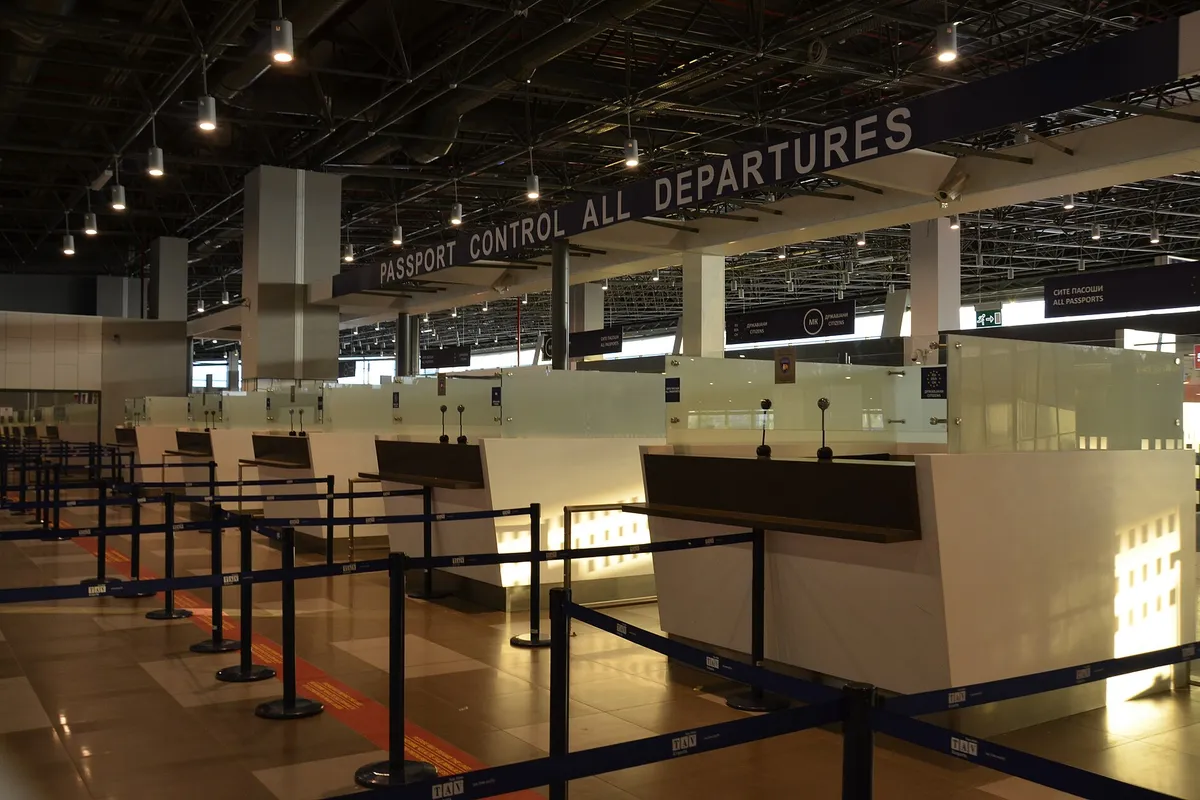
What changes at the airport and how much time to allow
In a transition like this the real variable is queue length: no need to panic, just plan.
- Arrive with your usual margin and stretch it at peak times: Sunday evening returns, holiday weekends, early morning departures.
- Keep to hand your passport (the same one used for the ETIAS application), the address of your accommodation, a return or onward ticket and, where required, your insurance policy. On that last point, what a travel insurance policy actually needs to cover is worth ten minutes.
- Do not travel on a nearly expired passport. For short Schengen stays the document must be valid beyond your intended departure date and issued within a set number of years. Check that before anything else.
- If you connect through another terminal and enter the area there, allow extra time. First biometric enrolment is not instant.
- This is not only about flights. Ferries, international trains and road crossings apply the same procedures, with registration at terminals or control areas.
If you are still choosing dates, remember that flights and hotels move on their own logic: here is when to buy a flight and when to book a hotel.
What happens if the authorisation does not arrive in time
Most applications are answered within minutes. A minority go to manual review and can take days, particularly where there are name matches, declared convictions or details that do not line up with the passport. If an application is refused you get a reason, and you can appeal or apply for a Schengen visa through the ordinary route.
The practical rule is blunt: apply as soon as you have a passport and a firm plan, not the night before. A transitional period is planned, but building a trip on the hope of leniency is a poor plan.
That is exactly where paperwork meets booking: while the rules are in transition, a cancellable hotel rate is worth more than the small premium it costs.
Beware of sites that resell the application at an inflated price
Every new requirement breeds a crop of websites offering to handle it for a fee far above the official one. They are not always illegal, but they are usually pointless: they fill in the same form you would complete yourself in ten minutes.
Signals worth recognising:
- domains that imitate institutional ones, with words like official, gov or europe bolted on to look the part;
- sponsored ads sitting above the official channel in search results;
- surcharges for supposedly urgent or priority processing;
- unusual payment methods, or requests for data that has no business being there, such as banking credentials.
The rule never changes: start from the institutional site, never from an ad. It is the same reflex that protects you from fake booking confirmations and phantom properties, which we covered in how to spot online booking scams.
One clarification about us: Edenfinder compares hotel prices and does not handle visas, authorisations or any travel paperwork. For ETIAS and EES there is only the official EU channel.
Why a free cancellation rate makes sense right now
When the legal framework shifts, travel dates get less stable: an application under review, a passport that needs renewing sooner than expected, a rescheduled flight. A room booked with free cancellation lets you rearrange without losing money. A non refundable rate, cheaper on the day, pins you to the date.
- If the trip depends on a document you do not yet hold, take the refundable rate and check the exact deadline: here is how free cancellation really works.
- If everything is already in order and your dates are fixed, the saving on a non refundable rate makes sense.
- Either way, compare live prices before you commit. Start from the destinations hub, look at hotels in Vienna, or read the selection for Lisbon.
One more for autumn and winter 2026-27: alternatives to the overcrowded destinations tend to be easier at the border too, because smaller entry points handle more manageable flows.
On Edenfinder you compare live prices for the same hotel; when you book, the transaction is handled with Nuitee as merchant of record.
Good to know
Is ETIAS a visa? No. It is an electronic authorisation for people who are already visa exempt. Anyone who needs a Schengen visa still applies for one.
I hold an EU passport, do I need to do anything? No. Neither ETIAS nor EES applies to EU and Schengen citizens.
How much does ETIAS cost? The expected fee is 20 euros, with an exemption for under 18s and over 70s. Confirm on the official site before paying anything.
Do I need one for every trip? No. It is valid for 3 years or until your passport expires, with multiple entries for short stays.
Are fingerprints taken every time? Full enrolment happens on your first crossing. After that, checks are faster and based on facial matching.
Does ETIAS cover Ireland or the UK? No. Ireland is outside the Schengen area and has its own rules; the UK runs a separate electronic authorisation, the ETA, which is a different thing and applies to people entering the UK.
The substance is simple. EES is already switched on and works on you without you doing anything; ETIAS is coming and has to be requested in advance. Check the dates through the official channel, favour flexible rates while the transition runs, then compare hotels at your own pace.
Edenfinder
Paradise has a price. We find it lower.
We compare prices for the same hotels across every major booking platform, with direct links to the right page.
Search your hotel →Frequently asked questions
Is ETIAS a visa?
No. It is an electronic authorisation for people who are already visa exempt. Anyone who needs a Schengen visa still applies for one.
I hold an EU passport, do I need to do anything?
No. Neither ETIAS nor EES applies to EU and Schengen citizens.
How much does ETIAS cost?
The expected fee is 20 euros, with an exemption for under 18s and over 70s. Confirm on the official site before paying anything.
Do I need one for every trip?
No. It is valid for 3 years or until your passport expires, with multiple entries for short stays.
Are fingerprints taken every time?
Full enrolment happens on your first crossing. After that, checks are faster and based on facial matching.
From the same section